




Why Glucoraphanin Powders Lose Potency Without Active Myrosinase
If you've ever sourced a broccoli extract ingredient and wondered why your finished product didn't perform as expected, you're not alone. The answer can often trace back to one important factor: myrosinase activity. Glucoraphanin powder is a stable precursor to sulforaphane, a well-studied isothiocyanate associated with Nrf2-related research—but without sufficient myrosinase activity to support conversion, the potential for sulforaphane formation may be reduced. For R&D directors, formulation managers, and procurement teams, understanding this enzyme-precursor relationship can help differentiate a well-characterized ingredient from one that may underperform in the intended formulation.
Understanding Glucoraphanin and Myrosinase: The Science Behind Potency
What Is Glucoraphanin?
Glucoraphanin is an aliphatic glucosinolate that occurs naturally and may be found in broccoli seeds, stems, and other green plants. It is also known as glucoraphanin. It is a precursor to sulforaphane and is available in standardized extract forms. Research has shown that sulforaphane can influence the Nrf2 signaling pathway, which is involved in cellular responses to oxidative stress. For B2B product development and formulation, glucoraphanin can be a practical alternative to directly handling sulforaphane because it generally offers better chemical stability under appropriate storage conditions.


The Role of Myrosinase in Activation
When it comes to glucoraphanin, the enzyme known as myrosinase (β-thioglucosidase) is responsible for cleaving the thioglycoside bond and supporting the formation of sulforaphane. In fresh broccoli, myrosinase and glucoraphanin are physically separated within plant cells. When plant tissue is chewed, chopped, or otherwise disrupted, the enzyme can come into contact with its substrate, initiating the conversion process. During processing into powdered ingredients, however, enzyme activity can be affected by heat, extraction conditions, drying, and storage. This is why myrosinase activity should be evaluated separately rather than assumed from the presence of glucoraphanin alone.
Powders With vs. Without Active Myrosinase
Even when a powder contains glucoraphanin but little or no active myrosinase, some conversion may still occur through gut microbiota. However, studies indicate that conversion and sulforaphane availability can differ substantially depending on whether myrosinase is present. A study published in 2011 in the British Journal of Nutrition reported higher sulforaphane bioavailability when glucoraphanin was provided with active myrosinase compared with glucoraphanin alone. This makes myrosinase activity an important consideration when selecting glucosinolate ingredients and evaluating expected conversion performance.
Why Glucoraphanin Powders Lose Potency Without Active Myrosinase
Heat Deactivation During Drying
Drying at elevated temperatures is one factor that can contribute to enzyme activity loss. Myrosinase can be sensitive to processing temperatures, and exposure to sufficiently high heat may reduce or eliminate measurable activity. Some commercial broccoli seed extracts are produced under conditions designed to improve processing efficiency or microbial control, but these conditions may also affect enzyme retention. Therefore, a powder with a high glucoraphanin assay does not necessarily indicate that meaningful myrosinase activity remains. Buyers should request separate enzyme activity or conversion data when this characteristic is important to the final application.
Extraction Methods That Strip Enzyme Activity
Certain extraction techniques involving solvents, heat, or pressure may increase the measured concentration of glucosinolates while affecting enzyme structure or activity. Aqueous ethanol extraction, for example, can be used to concentrate glucoraphanin, but the resulting process conditions should be evaluated for their impact on myrosinase retention. When buying, teams that rely only on the glucoraphanin percentage as a quality indicator may overlook enzyme activity and receive material that looks strong on paper but does not deliver the expected conversion profile in the intended formulation.
Storage Conditions and Shelf-Life Degradation
If the powder is not stored appropriately, myrosinase activity may decline over time even when the initial material has been properly processed. Temperature, moisture exposure, oxygen, packaging, and storage duration can all influence enzyme stability. Prolonged storage under uncontrolled conditions may also affect the overall quality of the extract. B2B vendors dealing with longer lead times and warehouse inventory cycles should therefore review supplier stability data and defined storage conditions rather than relying only on a nominal shelf-life statement. This helps procurement teams assess realistic handling risks before placing larger orders.
How to Ensure High-Potency Glucoraphanin Powders for B2B Procurement
Key Quality Metrics to Request
There are three main types of documentation you should look at when choosing a glucoraphanin powder supplier. First, ask for an enzyme activity assay or conversion study—ideally one that evaluates sulforaphane formation from glucoraphanin under defined test conditions using a validated analytical method. Second, review batch-to-batch COA records to confirm that glucoraphanin content remains within the agreed specification. This is usually shown as a percentage, while commercial standardized grades may offer different active-content levels depending on the application. Third, review the supplier's applicable quality certifications, analytical documentation, and traceability records. These documents are more useful for supplier qualification than relying on a single headline purity number.
Organic vs. Standardized Extract: What to Consider
Not all broccoli products described as "natural" have the same composition. Organic whole-seed powders may contain naturally occurring myrosinase, but the amount of glucoraphanin and enzyme activity can vary considerably. Standardized extracts, on the other hand, can provide more defined amounts of target compounds and may retain or be co-formulated with myrosinase when the process is designed accordingly. Formulation teams that need greater control over sulforaphane formation should select glucoraphanin powder with documented composition and verified enzyme activity rather than assuming that all broccoli-derived ingredients provide the same conversion potential.
Supplier Qualification Criteria
There's more to qualifying a supplier than just looking at one certificate. Here are the most important areas for review that buying teams should focus on:
Documented myrosinase activity data from a third-party or in-house validated assay, ideally showing sulforaphane conversion under defined test conditions.
Stability testing reports showing enzyme retention over a defined period and under specified storage conditions.
Traceable raw material sourcing, preferably with authenticated Brassica oleracea var. italica seed material and clear batch documentation.
Instead of just looking at price, these factors give procurement teams an organized way to compare suppliers objectively. Suppliers who cannot provide supporting analytical and traceability documentation may create formulation uncertainty that is not always identified until later development or batch evaluation.
Best Practices for Handling and Using Glucoraphanin Powder to Preserve Potency
Storage and Transportation Guidelines
Ingredients that contain glucoraphanin and active myrosinase should be stored according to the supplier's validated conditions to help preserve enzyme activity. For shorter periods, controlled room-temperature storage may be possible when the material is packed in sealed, moisture-barrier packaging and handled within the stated specifications. Aluminum foil pouches with appropriate moisture and oxygen protection can be used to reduce environmental exposure. When an ingredient contains active myrosinase, temperature fluctuations during extended transportation should also be considered because activity may change without obvious visual differences in the powder.
Formulation Strategies for Maximum Sulforaphane Yield
There are two practical approaches to supporting sulforaphane formation in end-product design. The first is dual-chamber or delayed-release packaging, in which glucoraphanin and myrosinase are kept separate until the product is used. This approach is designed to control the point at which the enzyme contacts its substrate. The second is co-formulation with an external myrosinase enzyme source. Both approaches can be considered for supplement and functional beverage development when the formulation objective is to achieve a more defined conversion profile and improve control over ingredient performance.
Dosage Considerations Based on Research
Human research on glucoraphanin and sulforaphane has evaluated different intake levels and formulations, with outcomes varying according to the source, preparation, myrosinase availability, and analytical method used. Rather than applying a single universal dose, formulation teams should evaluate the glucoraphanin specification together with the expected conversion rate and intended serving size. Whole broccoli seed materials can also show variability in glucosinolate and enzyme levels over time. For this reason, standardized extracts may be useful when product developers need tighter control over ingredient composition and batch-to-batch consistency.
Conclusion
For glucoraphanin powder, active myrosinase is an important factor in supporting conversion to sulforaphane. Heat, extraction conditions, and improper storage can reduce enzyme activity without necessarily changing the measured glucoraphanin content. When sourcing ingredients for supplements, functional foods, or other nutrition-focused applications, procurement teams can improve consistency by reviewing analytical data, conversion studies, stability information, and traceability records. Selecting a supplier that provides well-characterized materials and transparent documentation can help protect formulation consistency and reduce sourcing risk.

FAQ
1. Does All Glucoraphanin Powder Come with Active Myrosinase?
No. Many commercial glucoraphanin extracts are processed under conditions that may reduce or deactivate myrosinase. Buyers should specifically request enzyme activity or conversion data rather than assuming it is retained simply because the product is derived from broccoli seed.
2. How Do I Verify Myrosinase Activity in a Powder?
Ask your supplier for a validated enzyme activity or conversion assay report. A useful method measures sulforaphane formation after in vitro hydrolysis under controlled conditions. HPLC or another validated analytical method can then be used to quantify sulforaphane output under the defined test conditions.
3. How Does Glucoraphanin Differ from Direct Sulforaphane Supplements?
Sulforaphane in isolated form can be more challenging to stabilize during conventional manufacturing and storage. Glucoraphanin, as a precursor, can offer a more stable ingredient format, while conversion depends on myrosinase availability and the formulation or biological conditions involved. For this reason, buyers should evaluate both glucoraphanin content and documented conversion characteristics rather than relying on the precursor assay alone.
Partner with Angelbio for Verified-Potency Broccoli Seed Extract
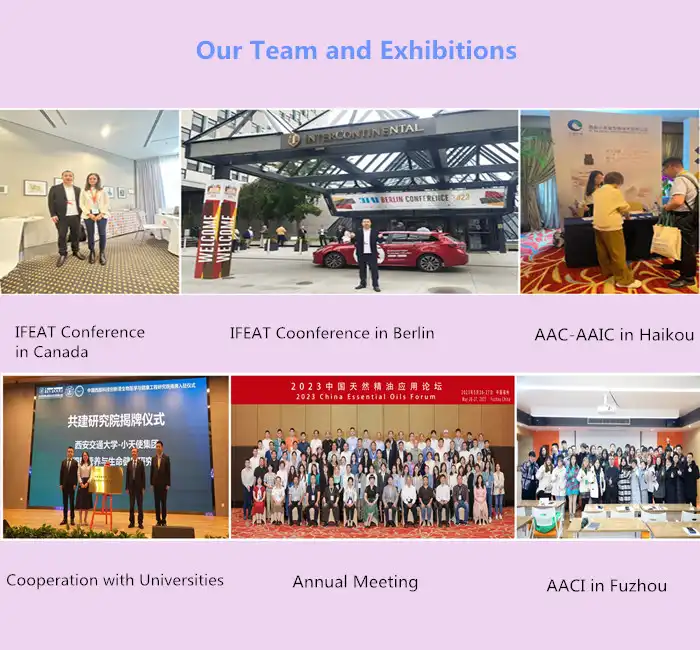
The glucoraphanin powder from Angelbio is supported by over 18 years of independent research and development experience, with collaboration involving the Institute of Life and Health Research at Xi'an Jiaotong University. Enzyme activity data for standardized broccoli seed extracts can be provided as part of technical documentation, helping buyers evaluate batch consistency and conversion characteristics. Angelbio can also support customers with product specifications, analytical documentation, samples, and sourcing discussions for different application requirements. You can email our technical team at angel@angelbiology.com to ask for samples and details.
References
1. Fahey, J. W., Zalcmann, A. T., & Talalay, P. (2001). The chemical diversity and distribution of glucosinolates and isothiocyanates among plants. Phytochemistry, 56(1), 5–51.
2. Conaway, C. C., et al. (2000). Isothiocyanates as cancer chemopreventive agents: their biological activities and metabolism in rodents and humans. Current Drug Metabolism, 1(4), 390–406.
3. Shapiro, T. A., et al. (2011). Bioavailability of sulforaphane is strongly influenced by the loss of myrosinase activity during food processing. British Journal of Nutrition, 106(12), 1892–1899.
4. Kensler, T. W., Egner, P. A., & Agyeman, A. S. (2013). Keap1–Nrf2 signaling: a target for cancer prevention by sulforaphane. Topics in Current Chemistry, 329, 163–177.
5. Vermeulen, M., et al. (2008). Bioavailability and kinetics of sulforaphane in humans after consumption of cooked versus raw broccoli. Journal of Agricultural and Food Chemistry, 56(22), 10505–10509.
6. Dinkova-Kostova, A. T., & Kostov, R. V. (2012). Glucosinolates and isothiocyanates in health and disease. Trends in Molecular Medicine, 18(6), 337–347.
YOU MAY LIKE
 VIEW MOREErgothioneine Extract Powder
 VIEW MOREPolygonum Cuspidatum Extract Powder
 VIEW MOREBulk Polygonum Cuspidatum Extract Powder
 VIEW MOREAcerola Cherry Extract Powder
 VIEW MOREBlack Elderberry Extract Powder
 VIEW MOREL-glutathione Powder
 VIEW MOREWhite Willow Bark Extract Salicin
 VIEW MOREPure Melatonin Powder