



Adulterated Ambroxide: Purity Gaps, Dilution and Sourcing Mistakes to Avoid
If you work in fragrance, personal care, or specialty ingredient sourcing, you already know how much depends on ingredient consistency. Questions about the purity and identity of ambroxide powder can create costly challenges for procurement teams. When a batch fails to meet the agreed GC assay or identity specification, the formulation may show differences in odor profile, performance, or batch consistency. This guide explains where quality gaps can arise, what contributes to sourcing risks, and how to build a purchasing strategy that supports reliable ingredient quality and a more transparent supply chain.
Understanding Ambroxide Powder Adulteration
Ambroxide is an aroma chemical valued for its characteristic amber, woody, and musky odor profile and its use in fragrance compositions. Its odor impact depends on the formulation, concentration, surrounding ingredients, and evaluation conditions. Even relatively small compositional differences may influence the overall odor profile, making identity and purity verification important for fragrance applications.
What Do Adulterants Actually Look Like?
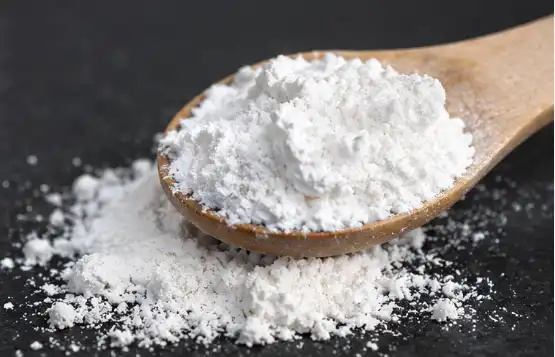
Potential quality concerns may include residual intermediates such as sclareolide, related compounds or isomers, and undeclared diluents or carriers. These issues should be assessed through suitable analytical testing rather than assumed from appearance or price alone. Elemental impurities and residual solvents may also require evaluation according to the raw material specification, production route, and intended application. Such quality gaps can affect odor consistency, formulation suitability, and compliance with customer requirements.
How Do Laboratories Detect Purity Problems?
Gas chromatography (GC) is commonly used to assess the chromatographic profile and assay of ambroxide, while optical rotation may provide supplementary information about optical properties where relevant to the material specification. A GC result above 99.0% should not automatically be treated as proof of identity, stereochemical composition, or overall quality unless the method and specification support that interpretation. Optical rotation results must be compared with a suitable reference specification under the same measurement conditions; deviations alone do not conclusively establish the presence of a racemic mixture or adulteration. Other checks may include APHA/Hazen color measurement, residual solvent analysis, and organoleptic evaluation against an appropriate reference sample. Procurement teams should select tests according to the risks and agreed requirements for each grade.
Root Causes of Purity Gaps and Sourcing Mistakes
Price pressure is one factor that may contribute to quality problems in the aroma chemical market. When buyers focus exclusively on the lowest unit cost, they may overlook differences in manufacturing route, specification, analytical evidence, or supply-chain traceability. Several avoidable sourcing mistakes can increase these risks.
These are common purchasing weaknesses that can lead to quality failures:
Relying on Brokers Without Traceable Documentation: Intermediaries that cannot provide a relevant Certificate of Analysis, GC chromatogram, or traceability information make it harder to verify the origin and consistency of ambroxide powder.
Skipping Incoming Quality Control: Accepting shipments solely on the basis of supplier-issued CoAs, without a risk-based verification plan, may leave discrepancies undetected. Independent testing can provide additional assurance for new suppliers or critical bulk purchases.
Misreading Specifications: Confusing ambroxide with related or similarly named compounds, such as ambroxan or ambroxol, may result in purchasing a material that does not match the intended chemical identity or application.
Ignoring Optical Rotation Data: Where optical rotation is relevant to the agreed specification, relying on GC assay alone may leave certain identity or composition questions unresolved. Review the method, reference range, and supporting identity data together rather than treating one measurement as conclusive.
These weaknesses can compound quickly. Missing information during supplier qualification may lead to additional testing, reformulation work, customer complaints, or supply delays.
Principles to Avoid Adulteration and Ensure High-Quality Ambroxide
Sourcing reliable ambroxide powder starts with choosing suppliers that can explain their production route and provide traceable quality documentation from the relevant starting materials through to the finished crystalline ingredient. Toll processing and repackaging are not necessarily quality problems in themselves, but they require appropriate traceability and verification.
Non-Negotiable Verification Protocols
Before approving a new ambroxide supplier, request the documentation relevant to your product specification. This may include a full GC chromatogram, optical rotation data with measurement conditions, color results, residual solvent information where applicable, and an elemental impurity assessment based on the material's risk profile. Compare these records with the agreed specification and, where appropriate, results from a qualified independent laboratory. The analytical methods and acceptance criteria should be suitable for the material and its intended use.
Supplier Qualification Beyond the Paper Trail
Certifications and documents are useful, but transparent technical communication and consistent results across batches are also important. Qualified suppliers should be able to explain their specifications, analytical methods, and quality-control procedures, and provide supporting batch records where available. Price comparisons should account for the specified grade, production route, testing scope, order volume, and delivery terms. An offer substantially below competing quotations may warrant additional checks, but price alone does not prove dilution or adulteration.
Practical Steps for B2B Buyers to Minimize Risks
Once you have identified a suitable supplier, it is important to protect the relationship through clear purchasing terms. Purchase agreements should define the required GC assay, identity criteria, optical rotation range where applicable, color limits, residual solvent requirements, and other agreed parameters. They should also specify sampling procedures, acceptance criteria, and the process for handling or replacing material that fails incoming inspection.
For formulation development, ambroxide's solubility and compatibility should be evaluated in the actual solvent system and at the intended processing temperature. Ethanol or other suitable solvents may be considered according to the formulation, while diethyl phthalate (DEP) should only be used where it is permitted and appropriate for the intended product and market. Do not assume that a fixed temperature or solvent concentration guarantees complete dissolution or compatibility. Storage should follow the supplier's recommendations and available stability data, using suitable sealed packaging and protection from light, heat, and moisture where needed.
Comparison Insights: Ambroxide Powder Quality and Market Alternatives
It is important to understand what is being compared. Ambroxide, ambroxan, and ambroxol are distinct substances and should not be treated as interchangeable simply because their names are similar.
Ambroxide produced through different routes may vary in its impurity profile, odor characteristics, and analytical results. Material derived through a semi-synthetic route from plant-derived sclareol may offer a traceable alternative to other sourcing routes, but its quality should be assessed using the same relevant specifications and analytical evidence. High-purity material may be suitable for fine fragrance, laundry care, and personal care applications where consistent odor characteristics are important. Natural ambergris and plant-derived starting materials have different sourcing considerations; however, vegan status and animal-testing claims should be supported by supplier documentation and the relevant product supply chain rather than assumed from the production route alone.
Conclusion
Quality gaps in ambroxide powder sourcing can arise from inadequate testing, unclear documentation, specification mismatches, or purchasing decisions based too heavily on price. A more reliable approach combines suitable analytical methods, identity verification, traceability, and batch-to-batch comparison. For fragrance, personal care, and specialty ingredient formulations, selecting material against a clearly defined specification helps reduce avoidable quality risks. Buyers should evaluate the evidence available for each grade rather than assuming that a single GC percentage guarantees overall performance.
FAQ
1. What is the most reliable method to verify ambroxide purity?
GC is commonly used to assess the chromatographic profile and assay of ambroxide, but the method should be appropriate for the material and agreed specification. Additional identity testing and optical rotation measurements may be useful where relevant. Color testing and residual solvent analysis can provide further information about specific quality attributes.
2. How does adulteration affect fragrance formulations specifically?
Undeclared diluents, residual intermediates, or differences in composition may change the odor profile, performance, or consistency of a fragrance formulation. The extent of the effect depends on the nature and concentration of the material involved, the formulation matrix, and the application. Sensory assessment against a suitable reference, combined with analytical testing, can help identify discrepancies.
3. What credentials should a qualified ambroxide supplier hold?
Look for relevant quality-management documentation, batch traceability, clear product specifications, and analytical reports that support the supplied material's identity and composition. Depending on the application, independent laboratory results and export documentation may also be useful. Review the scope of any certification and verify that the supporting documents apply to the actual product and manufacturing site.
4. Is synthetic ambroxide considered vegan?
The answer depends on the starting materials, production route, processing aids, and relevant supplier declarations. Ambroxide made through a plant-derived semi-synthetic route may be suitable for vegan-positioned products, but the claim should be confirmed through supply-chain documentation. Vegan status and animal-testing status are separate claims and should be verified independently.
Source High-Purity Ambroxide Powder from Angelbio
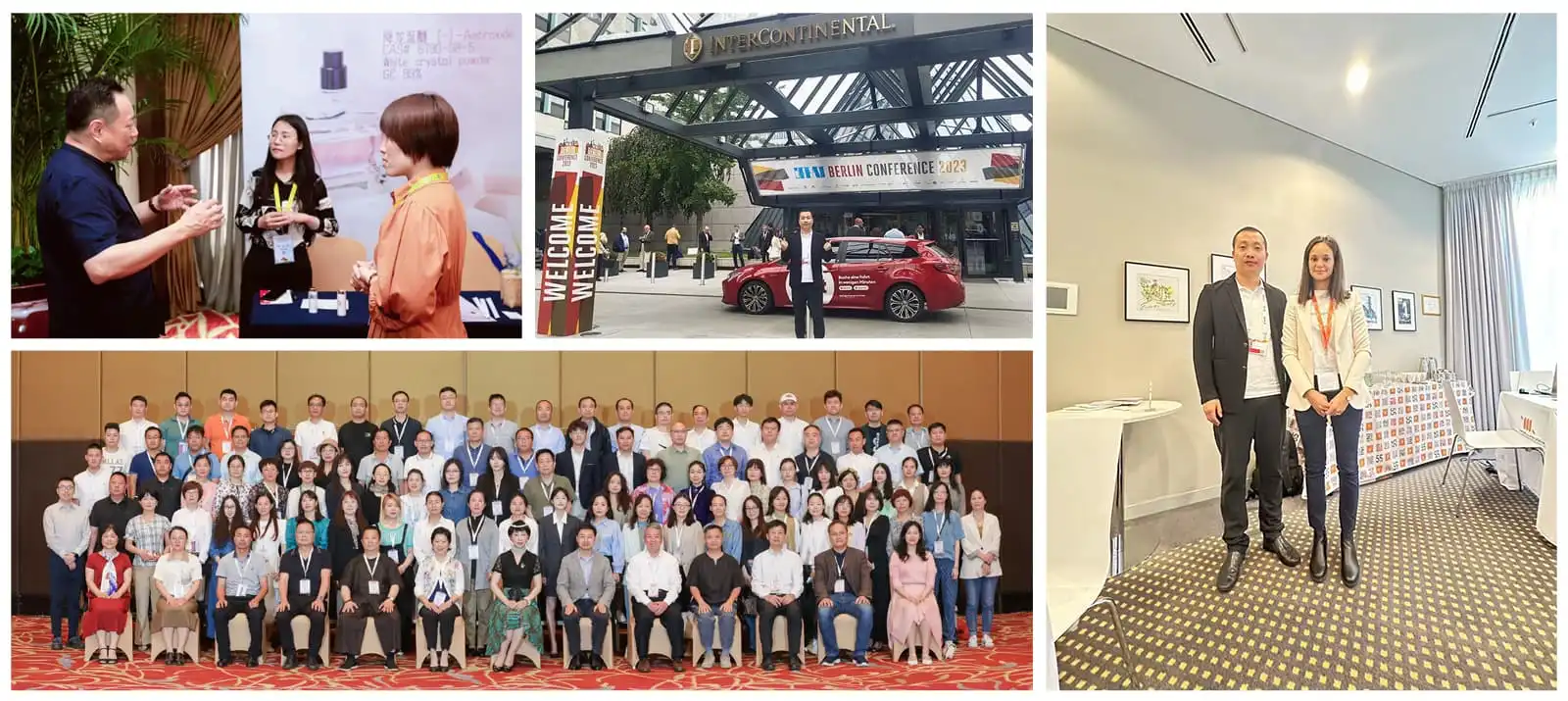
Angelbio supplies ambroxide powder for fragrance, personal care, and specialty ingredient applications. The company has over 18 years of independent R&D experience and has received investment support involving Angel Holding Group and Xi'an Jiaotong University's Institute of Life and Health Research. Buyers can request the applicable product specification, batch-related analytical documentation, and technical information to assess suitability for their formulation requirements. To discuss bulk sourcing, request a sample, or compare specifications, contact our B2B team at angel@angelbiology.com.
References
1. Sell, C. S. The Chemistry of Fragrances: From Perfumer to Consumer. Royal Society of Chemistry, 2006.
2. Bauer, K., Garbe, D., & Surburg, H. Common Fragrance and Flavor Materials: Preparation, Properties and Uses. Wiley-VCH, 2001.
3. European Chemicals Agency (ECHA). Guidance on Information Requirements and Chemical Safety Assessment. ECHA, 2017.
4. Arctander, S. Perfume and Flavor Chemicals (Aroma Chemicals). Allured Publishing Corporation, 1994.
5. International Fragrance Association (IFRA). IFRA Standards and Quality Guidelines for Fragrance Ingredients. IFRA, 2023.
6. Fahlbusch, K. G., et al. "Flavors and Fragrances." Ullmann's Encyclopedia of Industrial Chemistry. Wiley-VCH, 2012.