



Sunflower vs Soy Phosphatidylserine: Choosing a Source for Your Brand
When brands ask me which phosphatidylserine powder source is right for their formulation, the answer depends on more than cost. Both sunflower-derived and soy-derived PS can be produced through enzymatic transphosphatidylation of lecithin using phospholipase D, yielding phospholipid ingredients with defined specifications. However, differences in allergen considerations, GMO documentation, regulatory requirements, and supply chain transparency can influence a product's market positioning, labeling strategy, and long-term brand value. This guide compares both sources to help your team make an informed sourcing decision.
Understanding Phosphatidylserine Powder and Its Applications
PS is a glycerophospholipid naturally present in cell membranes throughout the body, including neural tissue. It is studied for its potential role in cognitive function, but the strength of evidence varies by outcome, population, and ingredient preparation. The U.S. FDA has evaluated qualified health claims concerning PS and cognitive dysfunction in older adults; this should not be interpreted as an unrestricted approval or proof that PS prevents dementia or other cognitive conditions. For brands, accurate, market-specific claims are essential when positioning PS in cognitive health products.


Core Biochemical Properties
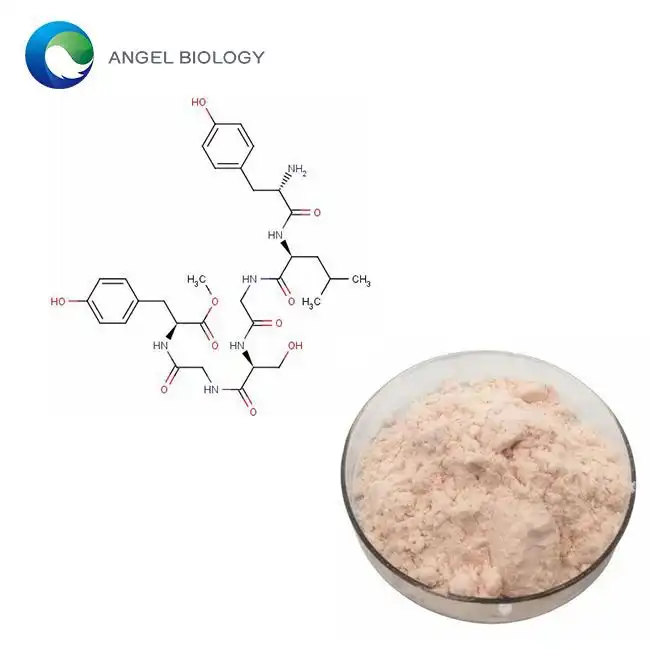
PS powder is commonly described as a light yellow to off-white powder, although its appearance can vary by source and grade. Commercial specifications may include assay ranges such as 20% to 70%, measured using a suitable analytical method such as HPLC with evaporative light-scattering detection (HPLC-ELSD). Moisture and peroxide-value limits should be established according to the product grade, test method, and stability data rather than treated as universal thresholds. Because PS has an amphiphilic structure, it can interact with lipid bilayers, making it a useful ingredient to evaluate for lipid-based supplement formulations.
B2B Formulation Environments
PS powder can be considered for a range of product formats, depending on its grade and the formulation design. In oil-based softgels, compatibility with carriers such as medium-chain triglycerides (MCTs) or omega-3 oils should be assessed to help maintain dispersion and finished-product uniformity. For powdered beverage mixes and sports nutrition products, particle size, flowability, dispersibility, and compatibility with proteins or other ingredients should be tested in the intended matrix. In functional dairy and other fortified foods, processing conditions may affect ingredient stability, so thermal tolerance should be confirmed through application-specific testing before commercial production.
Why Procurement Teams Care
When R&D directors and formulation managers choose a PS ingredient, they need to consider formulation compatibility, batch-to-batch consistency, and analytical standardization. A supplier's technical data sheet, batch-specific certificate of analysis (COA), residual-solvent results where relevant, and physical-property data can help reduce sourcing uncertainty and formulation delays. Limits for residual solvents and bulk density should be assessed against the ingredient specification and the needs of the finished product rather than assumed to be identical across all suppliers and grades.
Raw Material Origins: Sunflower vs. Soy Phosphatidylserine
Although the enzymatic transphosphatidylation process can be similar for both sources, the starting materials may influence how brands position and label their finished phosphatidylserine powder products.
Sunflower-Derived PS: Key Profile
Sunflower lecithin is generally sourced from non-GMO sunflower crops in many commercial supply chains, but non-GMO claims should be supported by appropriate supplier documentation. Sunflower-derived PS may suit brands seeking an alternative to soy-derived ingredients or a formulation aligned with particular clean-label preferences. Sunflower is not listed among the major food allergens defined under U.S. federal allergen-labeling law, although this does not mean that every sunflower-derived ingredient is guaranteed to be allergen-free. Extraction solvents and processing methods vary by supplier; brands should request relevant residual-solvent information rather than assume that ethanol is always used or that a particular process automatically supports a natural-product claim.
Soy-Derived PS: Key Profile
Soy-derived PS has a longer commercial history, and a substantial portion of the published research on PS has evaluated soy-derived material or preparations containing soy-derived PS. Soy-based ingredients may also offer established sourcing options and competitive pricing, depending on assay grade, order volume, and market conditions. Buyers should review the raw material's GMO status, allergen documentation, and applicable labeling requirements. Where a non-GMO claim is important, obtain suitable supporting documentation or certification rather than assuming that all soy-derived PS is genetically modified or that certification alone determines market eligibility.
Regulatory and Labeling Implications
Under U.S. federal allergen-labeling rules, soy is a major food allergen, but the labeling treatment of a particular PS ingredient depends on its composition, processing, applicable exemptions, and the finished product's circumstances. Sunflower is not included in the U.S. list of major food allergens, but brands should still assess ingredient-specific risks and local requirements. For EU and other international markets, Novel Food status, GMO rules, ingredient authorization, and permissible health claims should be reviewed for the particular ingredient and intended use. Sunflower-derived PS may simplify some sourcing or positioning decisions, but it does not automatically guarantee regulatory acceptance in every market.
Comparative Analysis: Key Factors for Procurement Decision-Making
Choosing between these sources requires more than comparing a specification sheet. The following factors can help purchasing teams assess the best fit for their products:
Allergen status: Soy-derived PS may require allergen declarations or other controls, depending on the ingredient and applicable labeling rules. Sunflower-derived PS is not derived from a major allergen listed under U.S. federal law, but brands should verify ingredient documentation and local requirements.
GMO profile: Sunflower-derived PS may be a practical option for brands seeking a non-GMO positioning, but the claim should be supported by supplier records. Soy-derived PS can also be sourced with non-GMO documentation where available; certification requirements and costs vary.
Clinical data depth: A substantial share of published PS research has evaluated soy-derived material or soy-based preparations. Findings should be interpreted in the context of the specific ingredient, dose, study design, and measured outcome. Similar chemical identity does not by itself establish identical clinical outcomes for every source or formulation.
Supply chain transparency: Traceability depends on the supplier's sourcing practices, documentation, and quality systems, rather than geography alone. Request information on raw material origin, batch identification, and change-control procedures for either source.
Price point: Soy-derived PS may be more cost-competitive in some supply arrangements, but actual pricing depends on assay grade, processing, documentation, order quantity, and delivery terms. Compare equivalent specifications before making a cost decision.
Together, these factors help brands align their PS source with formulation requirements, target markets, labeling strategy, and procurement priorities.
Market Trends and Buyer Preferences in the Phosphatidylserine Industry
The PS market is linked to interest in cognitive wellness and products designed for healthy aging. Market growth estimates vary by research provider and product category, so forecasts should be checked against current market data before being used in business planning. As interest in phosphatidylserine powder continues, purchasing priorities may include ingredient traceability, reliable specifications, and evidence-supported product positioning.
Shift Toward Allergen-Conscious Ingredients
Some retail buyers and direct-to-consumer brands are placing greater emphasis on allergen management and ingredient transparency. This can increase interest in sunflower-derived PS, particularly for products designed to avoid soy-derived ingredients. However, suitability for children's nutrition, older-adult products, or other specific groups should be determined by the finished product's formulation, applicable regulations, and relevant safety evidence—not by source alone.
Clean Label and Non-GMO Certification Demand
Some brands and retailers request non-GMO documentation as part of supplier qualification or marketing review. When a brand intends to make a non-GMO claim, the source, chain of custody, and supporting evidence should be checked before the ingredient is selected. Changing a formulation or its labeling late in development can add cost and delay launch, so confirming documentation early can help manage project risk.
Certification as a Supplier Qualification Standard
Buyers may assess certifications and third-party verification as part of supplier qualification. Depending on the product and destination market, relevant documentation may include quality-management or food-safety certifications, HALAL or KOSHER certification, and applicable compendial or ingredient-specific testing information. These requirements are not identical across markets or buyers, and a certification should not be assumed to demonstrate every aspect of ingredient quality. Suppliers who can provide current, relevant documentation and clear technical support may be easier to evaluate during procurement.
How to Choose the Right Phosphatidylserine Source for Your Brand
Selecting a PS source starts with a clear understanding of the finished product, target market, and documentation requirements. The following framework can help procurement and product-development teams compare options.
Match Source to Target Consumer and Market
Sunflower-derived PS may be worth evaluating when a brand wants to avoid soy-derived ingredients or support a documented non-GMO positioning. Soy-derived PS may be suitable when its ingredient profile, documentation, cost, and research background align with the product brief. Neither source is automatically the safer or more effective choice for children, older adults, or people with dietary sensitivities; suitability should be established for the complete formulation and intended market.
Evaluate Supplier Documentation Standards
Before approving a supplier, request a current COA, assay results with the analytical method identified, relevant residual-solvent data, and documentation supporting allergen and GMO statements where applicable. Ask how the supplier identifies batches and manages specification changes. Suppliers with appropriate technical expertise and testing capabilities can help clarify grade selection, formulation compatibility, and the interpretation of batch-specific results.
Factor in Long-Term Supply Chain Stability
Consistent quality and reliable delivery can be more important than the lowest quoted price per kilogram. Before entering a supply agreement, assess raw material sourcing, batch-to-batch specifications, minimum order quantities, lead times, and communication procedures for any supply or specification changes. Comparing these factors alongside price can help protect formulation continuity as demand grows.
Conclusion
Both sunflower-derived and soy-derived PS can be considered for products positioned around cognitive wellness, provided the selected ingredient meets the formulation and market requirements. The right choice depends on labeling obligations, target markets, budget, supply availability, and the brand's approach to allergen and GMO documentation. Sunflower-derived PS may support a soy-avoidance or documented non-GMO strategy, while soy-derived PS offers an established sourcing option with a substantial research history. Neither source alone guarantees product safety, clinical outcomes, or regulatory acceptance. To protect your formulation investment, choose phosphatidylserine powder based on transparent specifications, suitable analytical documentation, and consistent supplier support.
FAQ
1. Is sunflower phosphatidylserine as effective as soy-derived?
Both sources can provide phosphatidylserine with the same principal chemical identity when the ingredient composition and quality are comparable. However, chemical similarity alone does not establish identical performance or clinical outcomes in every formulation. Much of the published research has evaluated soy-derived PS or soy-based preparations, so claims about sunflower-derived PS should be supported by relevant evidence and should reflect the intended use.
2. Does soy PS always require allergen labeling in the US?
Not necessarily in every circumstance. Soy is a major food allergen under U.S. federal law, but the labeling treatment of a particular ingredient depends on its composition, processing, applicable exemptions, and the finished product. Brands should review supplier allergen documentation and confirm the requirements applicable to their specific product with a qualified regulatory professional. Sunflower is not listed as a major food allergen under the same federal framework, but this does not mean every sunflower-derived ingredient is guaranteed to be free of all allergens.
3. What assay grade should I specify for a nootropic supplement?
The appropriate PS assay grade depends on the target amount of PS per serving, the inclusion rate, the dosage form, and the product's manufacturing process. Commercial grades may include different assay levels, such as 50% or 70%, but a higher assay is not automatically the best choice for every formulation. Confirm the analytical method, assay basis, batch specifications, and relevant formulation data with your supplier. Any finished-product claims or serving recommendations should be supported by appropriate evidence and comply with the rules in the target market.
4. Can PS powder withstand food processing conditions?
Stability depends on the PS grade, formulation matrix, processing temperature, duration, moisture, oxygen exposure, and packaging conditions. Encapsulation or microencapsulation may be useful in some applications, but it does not guarantee stability under all processing conditions. For functional dairy products and fortified foods, request relevant technical data and conduct compatibility and stability testing under the intended manufacturing and storage conditions.
Partner With Angelbio for Reliable Phosphatidylserine Supply
Angelbio supplies standardized phosphatidylserine powder for consideration by cosmetic, functional food, and nutraceutical brands. The company has more than 18 years of R&D experience and collaborates with the Institute of Life and Health Research at Xi'an Jiaotong University. Depending on the product and applicable scope, available documentation may include relevant quality certifications, batch-specific analytical information, and traceability records. Angelbio offers sunflower-derived and soy-derived PS options, subject to current availability and product specifications, and can discuss different order requirements. Contact the technical team at angel@angelbiology.com to request product specifications, discuss samples, or review your formulation needs.

References
1. Glade, M. J., & Smith, K. (2015). Phosphatidylserine and the human brain. Nutrition, 31(6), 781–786.
2. Kato-Kataoka, A., et al. (2010). Soybean-derived phosphatidylserine improves memory function. Journal of Clinical Biochemistry and Nutrition, 47(3), 246–255.
3. U.S. Food and Drug Administration. (2003). Qualified Health Claim: Phosphatidylserine and Cognitive Dysfunction and Dementia. FDA Docket No. 02P-0413.
4. European Food Safety Authority (EFSA). (2011). Scientific opinion on the substantiation of health claims related to phosphatidylserine. EFSA Journal, 9(4), 2089.
5. Hellhammer, J., et al. (2012). Effects of soy lecithin phosphatidic acid and phosphatidylserine complex on stress, cognition and mood. Stress, 15(4), 416–427.
6. Food Allergen Labeling and Consumer Protection Act (FALCPA). (2004). Public Law 108-282, Title II. U.S. Congress.