



Apigenin Powder Stability in Capsules and Cosmetic Emulsions
When we talk about maintaining apigenin integrity across formulation types, stability isn't just a technical checkbox—it's the foundation of product performance and brand credibility. Apigenin Powder, a high-purity flavonoid isolated from chamomile or parsley, offers well-documented antioxidant properties and strong potential for botanical formulation applications. However, its sensitivity to light, oxygen, and pH variations can compromise both capsule supplements and cosmetic emulsions if formulation strategies aren't precisely executed. Understanding how to protect this botanical ingredient throughout its lifecycle helps support consistent specifications, formulation quality, regulatory compliance, and customer satisfaction for nutraceutical and cosmetic manufacturers.
Understanding Apigenin Powder and Its Stability Challenges
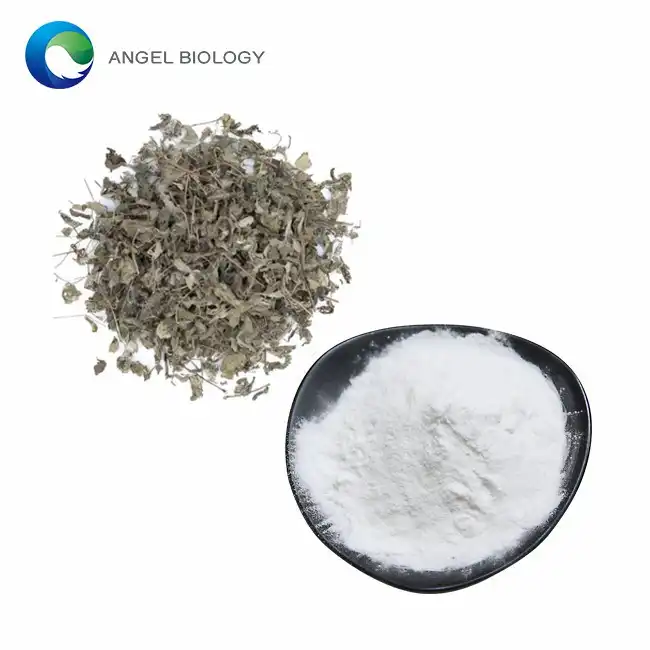
Apigenin is a flavone that is derived from plants, primarily Matricaria chamomilla or Petroselinum crispum. It has the chemical formula C15H10O5 and the name 4',5,7-trihydroxyflavone. According to the data obtained by HPLC, high-purity crystalline powder can reach at least 98% purity. On the other hand, crude extracts cannot provide the same level of precise standardization and formulation flexibility. Its chemical structure makes it a valuable research and formulation ingredient, but it is also sensitive to environmental factors that have the potential to affect its integrity over time.
Why Stability Matters in B2B Procurement
There is a direct relationship between ingredient stability and finished-product quality, which may manifest in a variety of ways, including changes in active-marker content, uneven batch performance, and potentially even compliance concerns. Prior to purchasing apigenin for use in capsules or cosmetics, R&D directors and formulation managers need to consider the possibility that it could degrade, which might affect product development work and specification control. The breakdown of molecules may be accelerated by a number of factors, including light, oxygen exposure, changes in temperature, and extremes in pH. This can result in a decrease in the concentration of characteristic compounds and make finished-product specifications more difficult to maintain.
Common Degradation Pathways
There are three primary factors that can contribute to the instability of apigenin: photodegradation caused by ultraviolet radiation, reactions associated with oxygen exposure, and pH-dependent degradation under certain conditions. Due to the fact that these routes can have different impacts on emulsion and encapsulated supplement systems, it is necessary to use appropriate stabilizing strategies for each of these systems.


Factors Influencing Apigenin Powder Stability in Capsules and Cosmetic Emulsions
Formulation design has a direct effect on how well apigenin maintains its chemical integrity from the time it is manufactured until it is used by a consumer. Whether it's solid-dose capsules or multiphase emulsions, each type of delivery system has its own problems that need specific technical solutions.
Capsule Formulation Considerations
The makeup of the capsule shell has a relevant role in protecting the apigenin ingredient. Hydroxypropyl methylcellulose (HPMC) vegetarian capsules may provide useful moisture-barrier characteristics compared with some conventional gelatin systems, depending on the formulation and packaging. Choosing the right excipients is just as important. For example, using silica flow agents and magnesium stearate within appropriate formulation ranges can support powder handling and manufacturing efficiency while limiting unwanted interactions with the flavonoid ingredient.
Micronized apigenin (d90 < 10µm) provides increased surface area and may improve dispersion and dissolution characteristics, but it can also increase exposure to oxygen and moisture. When micronization is combined with controlled processing, suitable packaging, and oxygen-management strategies such as nitrogen flushing, the formulation environment may provide additional protection for the ingredient. Antioxidant excipients should be evaluated for compatibility rather than assumed to improve stability in every formulation.
Cosmetic Emulsion Dynamics
Apigenin has limited water solubility and may show different stability characteristics depending on the phase in which it is incorporated. Lightweight oil-in-water emulsions can therefore require careful control of pH, phase distribution, and packaging. The type of emulsion can affect ingredient stability. Water-in-oil systems may offer different protection characteristics but can have a heavier sensory profile, while oil-in-water formulations require appropriate pH control and may benefit from chelating systems when trace metals could contribute to oxidation.
Which emulsifier is used affects formulation compatibility and stability. Ionic surfactants may interact differently with apigenin than non-ionic emulsifiers, so compatibility testing is recommended rather than assuming one emulsifier is universally superior. Adding tocopherol or ferulic acid may provide complementary antioxidant functionality, but their effect on apigenin stability should be confirmed through formulation-specific testing.
Packaging and Storage Protocols
Without the right packaging, even Apigenin Powder products that are properly manufactured may experience quality changes during storage. Because apigenin can be sensitive to light, opaque or amber materials can provide useful protection. UV-blocking packaging can reduce light exposure, while appropriate barrier materials help control oxygen and moisture. The usual approach for storing bulk powder is double-layered polyethylene bags inside fiber drums or other suitable protective containers. These materials should be stored below 25°C under controlled humidity conditions according to the supplier's stability data.
Proven Methods to Enhance Apigenin Stability
Modern formulation technologies can help manage ingredients that are sensitive to environmental conditions and make them more suitable for commercial products. These approaches may help improve storage stability and formulation performance when validated for the specific application.
Encapsulation Technologies
Microencapsulation puts up physical barriers between apigenin and environmental factors that can contribute to degradation. When spray-drying systems use carriers such as maltodextrin or gum arabic, protective particles can be produced in which the flavonoid is incorporated into a carbohydrate matrix. This method can be useful for beverage and powder applications where dispersion and protection from the surrounding formulation environment are important.
Using phospholipid complexes or other delivery systems may improve dispersion and potentially enhance the bioavailability characteristics of apigenin, depending on the technology and formulation. By associating apigenin with phosphatidylcholine, lipid-compatible structures can be developed that may alter dissolution and absorption behavior. However, performance varies considerably between delivery systems, and claims of specific increases in bioavailability should be supported by product-specific comparative studies rather than applied universally to standard Apigenin Powder.
Synergistic Stabilization Strategies
When apigenin is formulated with compatible antioxidants, complementary protection strategies may be possible. Another flavonoid called quercetin can provide antioxidant functionality within certain formulation systems, but its effect on apigenin stability depends on the surrounding matrix and processing conditions. This approach should therefore be evaluated through stability testing rather than assuming that one antioxidant will automatically protect another active ingredient.
Quality Control Checkpoints
The manufacturing process has a major effect on the stability of the finished ingredient. Temperature-controlled mixing can help limit heat-related degradation during processing, while controlled-atmosphere handling can reduce unnecessary oxygen exposure. Using HPLC testing at several stages of production—when the raw materials are received, when the process is being checked, and when the finished product is released—can identify changes in apigenin content before products reach customers. Processing temperatures, oxygen exposure, and nitrogen flushing should be established according to formulation-specific stability studies rather than relying on a universal degradation-reduction percentage.
Comparative Analysis: Apigenin Powder in Different Product Forms
To decide between encapsulated supplements and bulk powder for different uses, you need to know how to balance protection, cost, and the ability to use the powder in different ways.
Capsules vs. Bulk Powder Applications
Capsules provide accurate dosing and can reduce direct environmental exposure after filling, which makes them practical for consumer supplements that need controlled handling through retail channels. More work goes into making them, and each one costs more, but appropriate capsule materials and packaging may provide additional protection during storage. Actual shelf life depends on the formulation, packaging, storage conditions, and stability data rather than a universal 24-to-36-month period.
Bulk powder gives B2B users who are making their own mixes or functional products more formulation options and potentially lower costs. However, responsibility for stability management remains with the buyer, who needs to ensure suitable storage facilities and packaging. Micronized grades (80-mesh standard, sub-10-micron premium) may offer useful formulation advantages but can require more careful handling because of their increased surface area.
Apigenin vs. Other Flavonoids
Apigenin Powder has a distinctive chemical structure and stability profile compared with other flavonoids such as quercetin and luteolin. Antioxidant performance can vary between these compounds depending on the analytical method and formulation environment. Luteolin also has extensive research interest in inflammation-response-related pathways, but these research findings should not automatically be interpreted as equivalent finished-product effects. These comparisons help procurement teams choose ingredients according to formulation objectives, analytical specifications, and target positioning.
Natural vs. Synthetic Sourcing
Plant-based apigenin extracted from chamomile can support botanical and clean-label positioning, although cost, purity, and availability depend on the raw material and extraction process. Carbon-14 testing can be useful for brands that need analytical evidence of natural carbon origin. Synthetic apigenin may provide another sourcing option and can offer consistent chemical specifications. The choice between natural and synthetic material should depend on regulatory requirements, label positioning, formulation objectives, cost, and customer expectations.
Procurement Considerations for High-Quality Apigenin Powder
There are more than just price comparisons that need to be taken into account when choosing trusted sources. Consistency in quality, following the rules, and being able to provide expert help are what set strategic partners apart from commodity providers.
Critical Selection Criteria
As a general rule, high-purity specifications should be selected according to the intended application and applicable regulatory requirements. For pharmaceutical research or other highly controlled applications, buyers may require very high HPLC purity, while cosmetic and nutraceutical specifications depend on the formulation and market. ISO 9001 and GMP certifications can show that quality management is systematic, while recent batch test reports provide practical evidence of manufacturing consistency.
As officials look more closely at natural-product claims, carbon-14 testing can provide additional evidence when natural origin is part of the product positioning. When suppliers offer this testing, it supports ingredient authenticity assessment and may reduce documentation uncertainty. Private labeling can add value by making supply chains easier to manage and allowing brands to customize products without having to coordinate with multiple vendors.
Sample Evaluation and MOQ Alignment
Even though it takes longer, asking for samples before committing to large amounts of production is still important. Testing source materials in your real recipe shows compatibility problems that can't always be predicted by specification sheets. Minimum order amounts are very different. For established ingredients, 25 kg may be a practical commercial starting point, but some suppliers require 100 kg or more, which can be challenging for smaller brands or new products.
Pricing Structure Navigation
Apigenin prices depend on a number of things, including the cost of the source material, extraction efficiency, purity level, natural-origin requirements, and order size. Natural apigenin from chamomile may command a premium depending on purity, certification, and supply conditions. Pharmaceutical or highly documented material may carry higher prices because of additional testing and documentation requirements. When you commit to a certain amount of goods, you can often negotiate better pricing, but you have to carefully weigh the costs of keeping inventory against the savings you get per unit, which depends on how often you make the goods.
Knowing how much testing and paperwork cost from suppliers can help you make clear deals. Some providers charge extra for stability data, specialized analytical testing, or COA preparation, while others include these services within the standard quotation. Being clear about these details will help you avoid surprises when scaling production.
Conclusion
Apigenin Powder needs to be stable in both capsules and cosmetics, which means that formulation design, manufacturing processes, and package optimization all need to work together. The technical problems—photodegradation, oxidation, and pH sensitivity—are important considerations, and practical approaches include protective packaging materials, compatible antioxidant systems, controlled processing, and encapsulation technologies. Good buying teams know that stable ingredients can have a direct effect on formulation consistency, product specifications, and long-term manufacturing performance. When you work with suppliers who understand these technical details and provide thorough quality paperwork, stability goes from being a technical challenge to a competitive advantage that helps set your goods apart in crowded markets.
FAQ
1. What dosage range works best for apigenin in capsule supplements?
Published research has investigated different amounts of apigenin and apigenin-containing preparations, but there is no universally established dosage range that can be applied to every high-purity Apigenin Powder product. Commercial formulations should determine inclusion levels according to ingredient purity, formulation objectives, intended consumer group, local regulatory requirements, and available safety data. For B2B development, suppliers should provide specification and analytical information so formulators can establish an appropriate serving level rather than relying on a single universal dose.
2. How does apigenin compare to quercetin for antioxidant applications?
Both flavonoids have been widely studied for antioxidant properties, but their chemical structures and activity profiles differ. Apigenin and quercetin may show different antioxidant performance depending on the assay, concentration, formulation environment, and delivery system. Formulators may evaluate them individually or in combination when the formulation objective supports multiple flavonoid components. Comparative testing is recommended when a specific stability or antioxidant claim is being developed.
3. Can apigenin be used safely in leave-on cosmetic products?
Apigenin may be incorporated into leave-on cosmetic formulations when the ingredient specification, concentration, formulation environment, and applicable cosmetic safety requirements have been appropriately evaluated. Instead of assuming a universal safe concentration, formulators should determine the suitable use level through formulation and safety assessment. pH, packaging, light exposure, and ingredient compatibility should also be considered during stability testing. For finished cosmetic products, appropriate safety and preservative evaluations should be completed before commercialization.
4. What particle size works best for different applications?
Standard 80-mesh powder can work well for many capsule and dry-blend applications, while micronized grades such as d90 < 10µm may provide different dispersion and dissolution characteristics. However, smaller particles also have greater surface area and may require tighter control of moisture and oxygen exposure. Cosmetic emulsions require particles that can be adequately dispersed without compromising texture or appearance. The ideal particle size should therefore be selected according to the formulation process and validated through application testing.
Partner with Angelbio for High-Purity Apigenin Powder
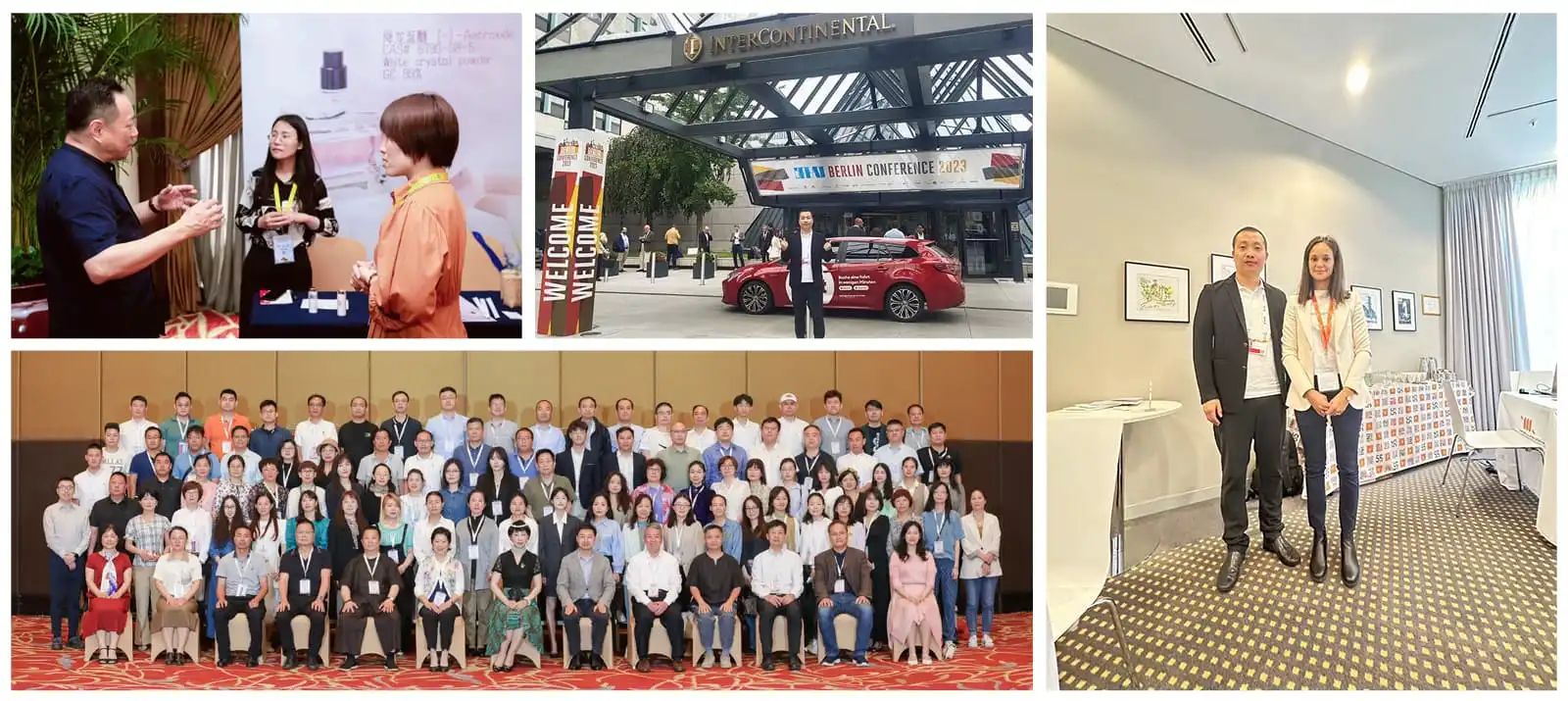
Finding a source of stable, high-purity apigenin isn't enough; you also need a manufacturing partner who understands the technical challenges your formulations face. Angelbio has been conducting independent research and development for 18 years and has analytical capabilities to support high-purity Apigenin Powder production and quality control. Our collaboration with the Institute of Life and Health Research at Xi'an Jiaotong University supports ongoing research and technical development for botanical ingredients and formulation applications.

We offer products with high-purity specifications supported by HPLC testing and documentation such as COA, stability data, and natural-origin testing where applicable. Our micronized grades provide additional formulation options, while bulk powder formats give manufacturers flexibility across different product categories. Our team works with customers to address their specific requirements, whether they need customized specifications, private-label support, or technical guidance during formulation development.
Email our sourcing experts at angel@angelbiology.com to ask for samples and discuss how our Apigenin Powder supplier services can support your product line with consistent specifications, technical documentation, and application-focused ingredient solutions.
References
- Salehi, B., et al. (2019). "The Therapeutic Potential of Apigenin." International Journal of Molecular Sciences, 20(6), 1305.
- Kidd, P., & Head, K. (2005). "A review of the bioavailability and clinical efficacy of milk thistle phytosome: a silybin-phosphatidylcholine complex." Alternative Medicine Review, 10(3), 193-203.
- Shukla, S., & Gupta, S. (2010). "Apigenin: A Promising Molecule for Cancer Prevention." Pharmaceutical Research, 27(6), 962-978.
- Singh, P., et al. (2018). "Flavonoid apigenin: An emerging anticancer agent." Current Pharmacology Reports, 4(6), 398-408.
- Ali, F., et al. (2017). "Apigenin-loaded solid lipid nanoparticle: preparation, characterization and cytotoxicity study." Current Drug Delivery, 14(1), 13-24.
- Zhao, L., et al. (2016). "The effect of pH, temperature and light on the stability of apigenin in aqueous solutions." International Journal of Food Science & Technology, 51(7), 1705-1712.