




How to Verify Anthocyanin Content in Black Elderberry Extract
Verifying anthocyanin content in black elderberry extract requires rigorous analytical methods to confirm product quality and specification compliance. For professionals sourcing black elderberry extract powder, understanding verification techniques helps ensure that ingredients meet labeled specifications and deliver consistent compositional performance. Reliable testing—ranging from pH differential spectrophotometry to advanced HPLC analysis—helps procurement teams assess ingredient authenticity and verify supplier claims, giving buyers greater confidence when selecting botanical ingredients.
Introduction
Black Elderberry Extract Powder is used in the manufacturing of nutraceuticals, functional foods, and cosmetics because of its characteristic anthocyanin content. These water-soluble pigments are more than simply aesthetically pleasing; they can serve as useful quality indicators that influence the performance, consistency, and market positioning of a product. For procurement professionals, understanding how to verify anthocyanin content is vital for making informed purchasing decisions in increasingly sophisticated botanical supply chains.
We have been aware of a recurring issue through engagement with R&D directors and formulation managers. This problem is that variation in quality between batches and suppliers can lead to inconsistent formulations, which may affect product quality and brand reputation. Adulteration or substitution with lower-value plant materials can be difficult to identify based on appearance alone, even when elderberry powders show similar dark-purple coloration. This comprehensive guide addresses these challenges by providing research-based approaches for assessing ingredient quality, supporting regulatory documentation, and strengthening supplier relationships. Purchasing teams can improve their sourcing strategy and reduce supply-chain risks in natural extract markets by incorporating appropriate anthocyanin screening and identity testing
.

Understanding Anthocyanins in Black Elderberry Extract
Anthocyanins are polyphenolic compounds within the flavonoid family. They are responsible for the distinctive dark purple colour of Sambucus nigra L. fruits. Analytical assays such as ORAC have historically been used to evaluate antioxidant capacity, but these laboratory measurements should not be interpreted as direct evidence of a health benefit in consumers. Anthocyanin content is therefore more appropriately considered a compositional and quality parameter when evaluating botanical ingredients for food, supplement, or cosmetic formulations.
Chemical Structure and Stability Factors
The main anthocyanins in Black Elderberry Extract Powder include cyanidin-3-glucoside and cyanidin-3-sambubioside. These anthocyanins can change in colour and stability depending on pH and other environmental conditions. Research has shown that anthocyanins may degrade more rapidly under alkaline conditions, elevated temperatures, and prolonged light exposure [1]. Understanding these chemical characteristics is important when establishing handling, storage, packaging, and processing recommendations with potential suppliers.
Commercial Implications for B2B Markets
Anthocyanin content can influence the commercial positioning and pricing of botanical extracts. Standardized elderberry extracts with higher specified anthocyanin levels may command higher prices than extracts with lower standardization, depending on raw-material quality, extraction yield, purification, analytical requirements, and production technology. However, price alone cannot establish ingredient authenticity or quality. Unusually low quotations may warrant additional verification of anthocyanin content, botanical identity, source materials, and analytical documentation, making appropriate verification protocols important for informed purchasing decisions.
Common Methods to Verify Anthocyanin Content
When choosing the right analytical methods, you have to weigh the need for precision against the limitations of the system. Depending on your quality control system, testing frequency, and documentation requirements, different methods can provide different benefits for black elderberry extract powder.
pH Differential Spectrophotometry
This practical method uses changes in anthocyanin colour response across different pH conditions to estimate total monomeric anthocyanin content. The method measures absorbance at 520 nm and 700 nm at pH 1.0 and pH 4.5, after which an appropriate molecular weight and molar absorptivity value are used to calculate the result. This method is relatively simple and cost-effective, but it does not distinguish individual anthocyanin compounds and may therefore have limitations when identifying structurally similar pigments from other botanical sources.
High-Performance Liquid Chromatography (HPLC)
HPLC stands for high-performance liquid chromatography. For anthocyanin profiling, HPLC is a powerful method because it can separate and quantify individual compounds. This method can distinguish anthocyanins such as cyanidin-3-glucoside and cyanidin-3-sambubioside and generate a chromatographic profile that can be compared with an appropriate reference standard or authenticated material. HPLC-DAD and related HPLC methods can provide greater compositional detail than a total-anthocyanin spectrophotometric assay and can support investigations into possible substitution or adulteration. Although it generally requires more equipment, expertise, and analytical time, HPLC can provide valuable documentation for supplier qualification and quality-control programs.
Liquid Chromatography-Mass Spectrometry (LC-MS)
LC-MS stands for Liquid Chromatography-Mass Spectrometry. LC-MS combines chromatographic separation with mass spectrometric detection, allowing more detailed characterization of anthocyanin compounds. This advanced method can be useful when investigating possible adulteration, confirming compound identities, or evaluating changes associated with different extraction processes. Its high analytical sensitivity can also support the detection and characterization of low-level compounds and degradation products when the analytical method is appropriately validated. This makes LC-MS a valuable tool for comprehensive quality-assurance programs, particularly for higher-value or technically demanding product lines.
Step-by-Step Guide to Anthocyanin Verification in Black Elderberry Extract Powder
To obtain reliable measurements of Black Elderberry Extract Powder, careful attention should be paid to sampling, sample handling, analytical preparation, and method validation.
Sample Preparation and Storage Best Practices
Analytical accuracy can be affected when anthocyanins degrade during sample handling. Representative sampling, which involves collecting material from appropriate locations within the container, helps ensure that test results better reflect the overall batch rather than localized variation. Anthocyanin stability can also be influenced by storage conditions; samples should be appropriately sealed, protected from excessive light and humidity, and stored according to the supplier's recommended conditions. Specific temperature and testing-time requirements should be established according to the validated analytical method rather than applying one universal storage period to every elderberry powder.
Conducting pH Differential Spectrophotometric Assay
As a practical screening method, the pH differential method can be used in many quality-control laboratories. To perform the analysis, two buffered solutions, typically at pH 1.0 and pH 4.5, are prepared. Aliquots of weighed samples are dissolved or diluted in each solution, followed by the appropriate equilibration period. A calibrated UV-Vis spectrophotometer is then used to measure absorbance at 520 nm and 700 nm. Total monomeric anthocyanin content can be calculated using an appropriate validated formula based on absorbance difference, molecular weight, dilution factor, molar absorptivity, and path length. If cyanidin-3-glucoside equivalents are used, the corresponding molecular weight and molar absorptivity values should match the validated method. Final results can then be expressed on a dry-weight basis and compared with the supplier's specification and applicable testing requirements.
Interpreting Results and Detecting Adulteration
Standardized elderberry extracts should meet their agreed specifications within an analytically justified tolerance range. Significant differences between the measured result and the declared specification may indicate batch variation, degradation, differences in extraction efficiency, dilution, or other quality issues and should be investigated. A higher-than-expected result does not by itself prove that a synthetic dye has been added. Likewise, UV-Vis results alone cannot establish the identity or absence of adulterants. Comparing total anthocyanin results with HPLC fingerprints and botanical identity testing can provide stronger evidence when investigating potential substitution. Characteristic ratios and profiles of cyanidin derivatives may help distinguish authentic elderberry materials from certain alternative botanical sources, but conclusions should be based on validated methods and appropriate reference materials.
Evaluating Anthocyanin Content to Support Procurement Decisions
To support consistent formulation performance and cost control, the anthocyanin specification for black elderberry extract powder should match the intended application and product requirements. Different product formats may require different specifications depending on formulation objectives, sensory properties, processing conditions, and target-market requirements.
Application-Specific Concentration Requirements
Functional drinks and other food formulations may use elderberry extracts standardized to different anthocyanin levels depending on the desired colour, flavour, formulation concentration, and product specification. Rather than applying one universal anthocyanin percentage, procurement teams should select a specification based on the finished-product requirements and supplier documentation. Acidic formulations may provide conditions that help maintain anthocyanin colour stability, but actual stability depends on pH, temperature, oxygen exposure, light, formulation composition, and packaging. Higher-standardization powders may also be selected when a greater amount of anthocyanins is required within a smaller ingredient dosage, provided that the concentration is supported by analytical testing and appropriate formulation data.
Product Form Considerations
Powder and liquid extract formats can have different stability and processing characteristics, so the preferred form should be selected according to the application. Spray-dried elderberry powders may provide practical advantages in handling, transportation, and incorporation into dry formulations, while liquid concentrates may be suitable for selected beverage or cosmetic systems. Stability performance depends on carrier materials, water activity, packaging, storage conditions, and processing technology. In cosmetics, compatibility with the finished formulation should also be evaluated. Because anthocyanins are water-soluble and pH-sensitive, formulation and packaging conditions should be assessed to minimize undesirable colour changes and maintain the intended product appearance.
Integrating Verification into Supplier Qualification
Strong supplier qualification includes more than anthocyanin testing; it also requires evaluation of the supplier's overall quality system. Ask for Certificates of Analysis (COA) that include batch-specific analytical results and, where appropriate, HPLC chromatograms or anthocyanin profiles. HPTLC or other suitable identity-testing methods may be used to support botanical authentication. Verify relevant GMP or quality-management certifications and consider third-party testing for pesticide residues, elemental impurities, and microbiological parameters according to the intended application. Clear procedures should also be established for handling out-of-specification results, including investigation, root-cause analysis, corrective actions, and supplier communication. This can help reduce quality-related disruptions and improve supply continuity.
Case Studies and Practical Insights
Systematic Black Elderberry Extract Powder verification can improve supply-chain control and reduce quality risks when analytical results are integrated with supplier qualification and batch management.
North American Nutraceutical Manufacturer
Customers expressed dissatisfaction because the colour of supplements manufactured by a certain brand was not consistent from batch to batch, despite the product being sourced from a supplier that specified 15% anthocyanins. According to the HPLC testing described in the case, the measured anthocyanin content of incoming shipments ranged from 9% to 18%. Further supplier investigation indicated that inconsistent raw-material screening and differences in harvest periods contributed to variation in the incoming material. The manufacturer and supplier subsequently introduced tighter raw-material specifications and batch-specific HPLC records. Over the following six months, the company reported improved colour consistency and fewer customer-service complaints.
European Cosmetic Ingredient Distributor
This distributor evaluated three elderberry extract suppliers offering similar specifications at different price points while expanding its natural-actives business. Independent laboratory testing found that the lowest-priced option had approximately 4% anthocyanins despite a stated 12% standardization. HPTLC testing also indicated markers inconsistent with the expected botanical profile, prompting additional supplier investigation. The mid-priced provider consistently delivered 11–13% anthocyanin content, but its raw-material traceability documentation was limited. The higher-priced provider offered a more comprehensive analytical package covering anthocyanin profiling, botanical identity, and raw-material traceability. Although the material had a higher unit cost, the distributor considered the additional documentation and quality controls valuable for supplier qualification and customer confidence.
Procurement Verification Checklist
Anthocyanin verification programs that work include these important parts:
- Request complete analytical documentation: Not just a list of standards, ask for batch-specific COAs and, where available, HPLC chromatograms.
- Verify testing laboratory credentials: Make sure that analytical work is performed by qualified laboratories, preferably laboratories operating to ISO/IEC 17025 requirements where appropriate.
- Establish incoming inspection protocols: Test representative samples for identity and key specifications before releasing materials to production.
- Monitor storage conditions: Keep track of temperature, humidity, light exposure, and packaging integrity during shipping and storage.
- Document supplier performance: Keep historical records of how consistently suppliers meet specifications and how quickly they respond to quality investigations.
Conclusion
It is important for procurement, quality-control, and supply-chain teams to verify anthocyanin content in elderberry extracts when consistent ingredient specifications are required. The analytical methods discussed, ranging from practical pH differential testing to detailed HPLC profiling, provide different levels of information that can be selected according to quality-control objectives and regulatory requirements for black elderberry extract powder. Understanding the chemical properties of anthocyanins, their stability characteristics, and the specific requirements of each application allows buyers to establish realistic specifications that balance formulation objectives with commercial requirements. The case studies illustrate how systematic verification can support better batch consistency, fewer quality incidents, and stronger supplier relationships. In a botanical ingredient market where substitution and specification variation can create sourcing risks, procurement teams with appropriate verification procedures can make more informed purchasing decisions and strengthen product-quality control.
FAQ
1. What anthocyanin percentage should quality Black Elderberry Extract Powder contain?
The appropriate anthocyanin specification for Black Elderberry Extract Powder depends on the raw material, extraction process, standardization method, intended application, and supplier specification. Commercial elderberry extracts can be standardized to different anthocyanin levels, so there is no single percentage that universally defines a high-quality product. Procurement teams should verify the declared percentage using an appropriate validated analytical method and compare the result with the agreed specification. Claims of unusually high standardization should receive additional analytical and identity verification before purchase.
2. How do shipping conditions affect anthocyanin stability during international transport?
Anthocyanins can be sensitive to prolonged exposure to heat, moisture, oxygen, and light during transportation. Poorly controlled conditions may accelerate degradation, particularly on warm or humid shipping routes. Actual retention during transport depends on the extract composition, carrier materials, water activity, packaging, storage temperature, and transit duration. Before committing to a large purchase, buyers should request supplier stability data and recommended transportation conditions that support the proposed shelf life under relevant distribution conditions.
3. Does anthocyanin verification support regulatory compliance in international markets?
Anthocyanin verification can provide useful compositional and quality information for regulatory and supplier documentation, but it does not by itself guarantee regulatory approval or authorization of health claims in every market. Requirements differ according to the country, product category, ingredient specification, and intended claims. HPLC-based anthocyanin profiles can help demonstrate batch consistency and support technical documentation, while additional identity, safety, contaminant, and regulatory documents may also be required. Buyers should confirm market-specific requirements before making compliance or health-related claims.
Partner with Angelbio for Certified Black Elderberry Extract Powder
Partnering with suppliers that demonstrate strong analytical capabilities and mature quality systems is important when sourcing black elderberry extract powder with defined anthocyanin specifications. Angelbio combines extensive experience in botanical extracts with analytical capabilities and quality-control systems designed to support consistent ingredient specifications. Our Black Elderberry Extract Powder solutions can be supplied with batch-specific analytical documentation to help procurement teams evaluate quality, traceability, and specification compliance.

Our quality-control approach can incorporate HPLC-DAD and other appropriate analytical technologies to support Sambucus nigra L. identity and anthocyanin profiling. We maintain traceability documentation linking finished products with qualified raw-material sources and can support supplier qualification and technical review. Whether you require bulk powder for capsule or functional-food manufacturing, samples for formulation development, or private-label sourcing, our technical team can work with your R&D and procurement teams to establish anthocyanin specifications suited to your application. Contact our procurement specialists at angel@angelbiology.com to discuss your elderberry extract requirements and request product specifications, analytical documentation, samples, or bulk-supply information.
References
- Journal of Agricultural and Food Chemistry (2019). "Stability and Degradation Kinetics of Anthocyanins from Sambucus nigra L. Under Different pH and Temperature Conditions."
- Journal of Chromatography A (2018). "HPLC-DAD-ESI-MS Analysis of Anthocyanins in Elderberry Extracts: Method Validation and Detection of Adulteration."
- Food Chemistry (2020). "Comparative Stability of Anthocyanins in Spray-Dried Elderberry Powder Versus Liquid Extracts During Extended Storage."
- Food Research International (2021). "Impact of Shipping Conditions on Anthocyanin Retention in Botanical Extract Powders: A Case Study of Elderberry."
- Journal of Pharmaceutical and Biomedical Analysis (2017). "Authentication of Sambucus nigra L. Extracts by HPTLC Fingerprinting and Anthocyanin Profiling."
- International Journal of Food Science & Technology (2022). "Quality Assessment of Commercial Elderberry Extracts: Anthocyanin Quantification and Detection of Economically Motivated Adulteration."
YOU MAY LIKE
 VIEW MORECeramide Powder
 VIEW MOREErgothioneine Extract Powder
 VIEW MOREPolygonum Cuspidatum Extract Powder
 VIEW MOREBulk Polygonum Cuspidatum Extract Powder
 VIEW MOREAcerola Cherry Extract Powder
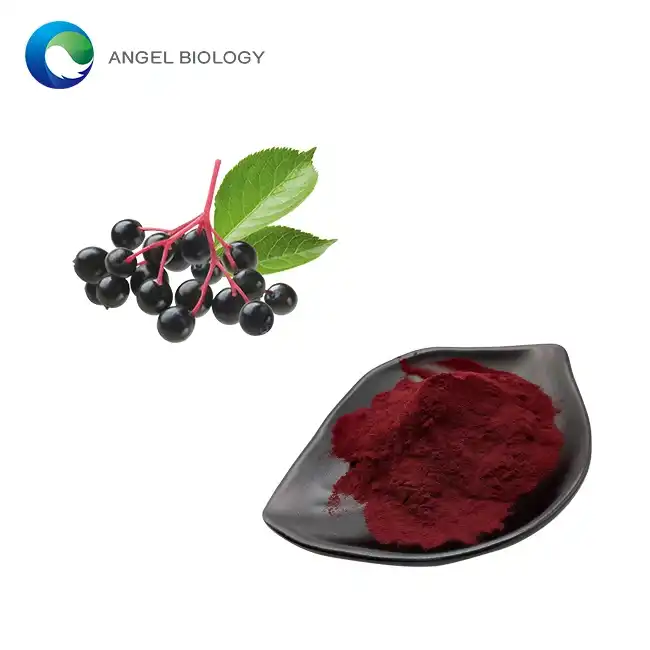 VIEW MOREBlack Elderberry Extract Powder
 VIEW MOREL-glutathione Powder
 VIEW MOREWhite Willow Bark Extract Salicin