



Where to Buy Bulk White Willow Bark Extract Salicin?
Sourcing bulk White Willow Bark Extract Salicin requires partnering with suppliers who demonstrate technical competence, regulatory compliance, and supply chain reliability. Angelbio stands as a trusted manufacturer offering pharmaceutical-grade salicin extracts standardized from 15% to 98% purity via HPLC validation. With ISO certifications, comprehensive documentation, and flexible MOQs tailored to R&D through commercial production scales, Angelbio delivers consistent quality to nutraceutical, cosmeceutical, and functional food manufacturers worldwide.
Why Global Sourcing of White Willow Bark Extract Matters for Your Business
Finding a reliable source for standardised plant ingredients affects how well a product works and how well a brand is known. The market wants clean-label options to synthetic painkillers and chemical exfoliants. White Willow Bark Extract, especially its bioactive salicin part, meets that need. This plant-based ingredient works as a prodrug, changing into salicylic acid after being eaten. It relieves pain and inflammation without irritating the lining of the stomach as acetylsalicylic acid does. Sourcing from around the world has pros and cons. Formulation options are increased by having access to specialised extraction technologies, low prices due to economies of scale, and a range of legal certifications. However, procurement teams have to deal with problems like checking extraction methods, making sure consistency from batch to batch, navigating international compliance frameworks, and managing logistics across continents. Knowing the strengths of regional manufacturing helps make better sourcing choices. Long-term formulation success depends on suppliers who have integrated R&D skills, chromatographic testing infrastructure, and clear traceability systems.


Understanding White Willow Bark Extract Salicin: Composition and Functional Benefits
Botanical Origin and Standardization Specifications
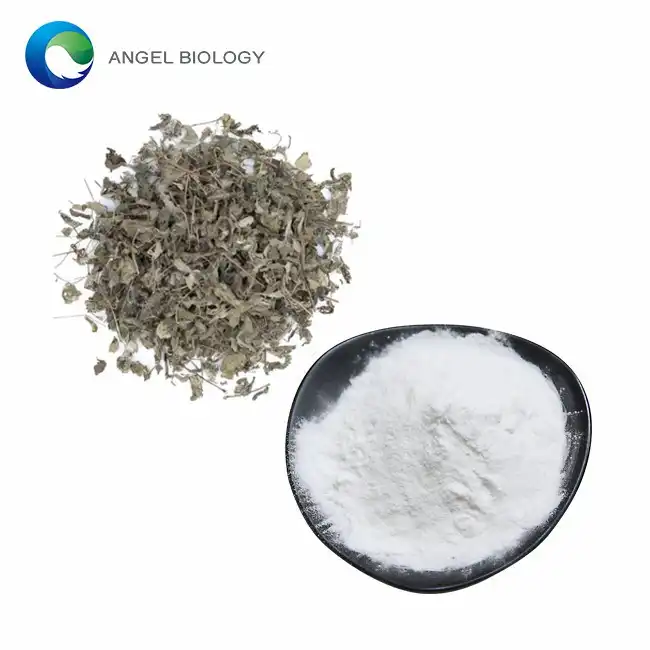
White Willow Bark Extract comes from the inner bark of Salix alba, Salix purpurea, and other species that are similar. High-Performance Liquid Chromatography is used to make sure that manufacturers standardise extracts to certain salicin ratios, which are usually 15%, 25%, 50%, and 98%. This standardisation makes sure that doses are always the same and that bioactivity stays the same across production batches. The extraction process has a big effect on the quality of the end product. The full range of phenolic glycosides is kept when hydroalcoholic extraction is used, but water-based methods produce purer salicin isolates. Advanced makers use multiple stages of purification to get rid of tannins and polyphenols that could affect the stability or bioavailability of the product.
Pharmacokinetics and Mechanism of Action
Salicin is different from synthetic options because of how it works in the body. When taken by mouth, the compound goes through the gut without breaking down because of the acid. The glucoside bond is broken down by enzymes and bacteria in the gut, which frees saligenin. Saligenin is changed into salicylic acid in the liver, which is the active product that stops cyclooxygenase from working. This process takes more steps than aspirin but makes the effects last longer. Peak plasma concentrations happen 1.5 to 3 hours after consumption, White Willow Bark Extract Salicin, and the benefits last for 6 to 8 hours. This pharmacokinetic profile works well with long-lasting formulas for managing chronic pain and inflammation.
Solving Critical Industry Pain Points
Three primary challenges drive adoption across sectors:
- Gastrointestinal Tolerance: Synthetic NSAIDs directly irritate the gastric mucosa. Salicin bypasses this mechanism, offering a gentler alternative for long-term users managing osteoarthritis or rheumatoid conditions.
- Clean-Label Positioning: Consumer preference for botanical ingredients over synthetic chemicals reshapes formulation strategies. White Willow Bark carries historical validation and marketing appeal as "Nature's Aspirin."
- Multi-Functional Applications: Beyond analgesic properties, salicin demonstrates antimicrobial activity against acne-causing bacteria, keratolytic effects for exfoliation, and antioxidant benefits for cellular protection.
Key Application Sectors Driving Global Demand
Nutraceuticals and Dietary Supplements
Joint health formulas are the most common type of use. White Willow Bark Extract, glucosamine, chondroitin, and methylsulfonylmethane are mixed together by manufacturers to help with pain and support the structure of cartilage. Clinical tests show that they work as well as synthetic COX-2 inhibitors for treating lower back pain and osteoarthritis, but they don't pose the same risks to the heart. Salicin is added by sports nutrition companies to recovery powders and thermogenic mixes. It speeds up healing after exercise because it can change inflammatory cytokines like TNF-α and IL-6. When mixed with caffeine and green tea extract, it speeds up the burning of fat without the stomach problems that come with regular ECA stacks. As an example, 120–240 mg of a standardised extract (having 60–120 mg of salicin) can be taken twice a day to help joints. In multi-ingredient matrices, sports formulas usually use 50 to 100 mg per serving.
Cosmeceuticals and Personal Care Products
Salicin is a natural replacement to beta-hydroxy acid that is used in skin care products. Because it is lipophilic, it can penetrate grease, which makes it good for acne-prone skin. Concentrations of 0.5% to 2% standardised extract help remove dead skin cells, clear out pores, and speed up the cycle of cells. Anti-aging serums use salicin's two actions: it removes dead skin cells from the surface and encourages collagen production. Formulation experts like how stable it is in pH ranges from 3.5 to 5.0, which is where a lot of botanical actives break down. It works well with peptide combinations, niacinamide, and hyaluronic acid without any problems. Salicin is an antimicrobial that works well against Propionibacterium acnes and Staphylococcus aureus in natural preservation systems. This means that manufactured preservatives can be used less while still keeping the product safe.
Analyzing Global Supply Dynamics and Regional Manufacturing Strengths
Major Production Regions and Their Advantages
European suppliers put a lot of emphasis on quality that is good enough for medicinal use and follows GACP (Good Agricultural and Collection Practices). Salix alba that is both wild-harvested and grown in sustainable forestry operations can be tracked. European companies are great at making sure their paperwork is in order for Novel Food regulations and REACH compliance. Asian companies, especially those that have integrated plantation-to-extract operations, can offer reasonable prices because they are vertically integrated. For high-purity isolates, modern extraction facilities use counter-current chromatography and supercritical CO2. Their value is increased by technical help for customisation, such as particle size distribution and carrier systems. North American wholesalers usually get bulk extracts from other countries. They add value by repackaging, blending, and keeping stock locally. Their skill is that they can quickly fill smaller orders and know how to follow FDA rules.
Supply Chain Considerations and Seasonal Factors
When bark is collected during spring sap flow, the salicin substance is concentrated. Manufacturers who have a steady supply throughout the year keep smart inventory reserves. Changes in climate have an effect on alkaloid patterns, so it's smart to get supplies from more than one source to lower your risk. Lead times vary: for normal specifications from well-known suppliers, they take 4 to 6 weeks, but for custom extractions or new purification requests, they take 8 to 12 weeks. The smallest amount you can order is 25 kg for research and development samples and 500 kg or more for business production. The prices are based on how much you promise to buy. Logistics for the cold chain aren't usually needed, but temperature-controlled storage (below 25°C, <60% relative humidity) keeps the medicine effective. Aluminium foil bags with nitrogen flushing are a type of moisture-resistant packaging that keeps things from breaking down during foreign shipping.
Comparing Sourcing Channels: Strategic Advantages and Limitations
| Channel Type | Advantages | Limitations | Best Suited For |
|---|---|---|---|
| Direct Manufacturers | Competitive pricing, customization capabilities, technical support, and full documentation | Higher MOQs, longer lead times, and international logistics complexity | Large-scale production, custom specifications, long-term partnerships |
| Local Distributors | Lower MOQs, faster delivery, established relationships, and regional compliance knowledge | Price premiums, limited customization, and potential stock limitations | Small-to-medium production runs, rapid prototyping, domestic operations |
| B2B Platforms | Supplier comparison, transparent pricing, escrow protection | Variable quality verification, communication gaps, and limited technical support | Initial supplier identification, price benchmarking, and exploratory sourcing |
| Trading Companies | Consolidated shipping, multi-ingredient sourcing, flexible payment terms | Reduced transparency, additional markup, and less technical expertise | Multi-ingredient procurement, simplified logistics, and invoice consolidation |
| Ingredient Brokers | Market intelligence, negotiation leverage, and quality auditing services | Commission costs, potential conflicts of interest | Large contract negotiations, market entry strategy, and supply risk mitigation |
When you work directly with a maker, you have the most control over quality, White Willow Bark Extract Salicin standards, and supply continuity. Technical talks with R&D teams help make sure that extraction methods, solvent residue limits, and microbial control processes are clear. Facility audits, whether they are virtual or on-site, check for GMP compliance and analytical skills. B2B platforms help with the research part by giving an overview of the market and initial contact points. But screening is still very important. Before committing to trial orders, get Certificates of Analysis, third-party testing results, and customer references. Local wholesalers make it easier to get well-known formulations that are always in demand. Their value offer is based on making things easier rather than cutting costs. Check how often they turn over their stock to make sure the products are always fresh.
Practical Supplier Evaluation Framework: What Procurement Teams Must Verify
Quality Documentation and Testing Protocols
Reputable suppliers provide comprehensive analytical documentation:
- Certificate of Analysis (CoA): Batch-specific testing confirming salicin content (HPLC), heavy metals (ICP-MS), microbial limits (total plate count, yeast/mold, pathogens), pesticide residues (GC-MS/LC-MS), and residual solvents.
- Stability Data: Accelerated and real-time stability studies demonstrating shelf life under specified storage conditions.
- Identity Testing: FTIR spectroscopy, TLC chromatography, or microscopic authentication verifying botanical species.
- Allergen Statements: Declarations addressing cross-contamination risks from shared equipment.
Request testing from independent third-party laboratories—Eurofins, SGS, or similar accredited facilities—for critical batches. Suppliers confident in their quality welcome third-party verification.
Regulatory Compliance and Certification Standards
Certification requirements vary by application and destination market:
- Nutraceuticals: GMP certification (NSF, NPA, or regional equivalents), allergen-free certifications, non-GMO verification, Kosher/Halal if targeting specific demographics.
- Cosmetics: ISO 22716 (Cosmetic GMP), ECOCERT or COSMOS for natural/organic claims, Cruelty-Free certifications.
- Food Applications: FSSC 22000, Organic certifications (USDA, EU, JAS), Novel Food approval for European markets.
Verify certifications directly with issuing bodies. Expired or fraudulent certifications occasionally circulate, particularly on lower-tier platforms.
Manufacturing Capabilities and Customization Options
Technical capabilities differentiate commodity suppliers from strategic partners:
- Extraction Technologies: Hydroalcoholic, aqueous, supercritical CO2, or enzymatic methods each yield different phytochemical profiles.
- Particle Engineering: Micronization, granulation, or spray-drying optimizes dissolution rates and flowability for encapsulation.
- Carrier Systems: Maltodextrin, silicon dioxide, or microcrystalline cellulose standardize potency and improve handling characteristics.
- Blending Services: Pre-mixed formulations combining multiple botanicals simplify production workflows.
Discuss analytical method validation. Suppliers using pharmacopeial methods (USP, EP, BP) demonstrate alignment with international standards. Proprietary methods require validation data proving accuracy, precision, and specificity.
Common Pitfalls in White Willow Bark Extract Procurement
Specification Ambiguities and Standardization Issues
Not all "White Willow Bark Extract" products deliver equivalent bioactivity. Unstandardized extracts vary wildly—5% to 15% salicin content depending on harvest timing, processing methods, and plant genetics. Procurement specifications must define:
- Salicin content (% w/w) with acceptable ranges
- Extraction ratio (e.g., 10:1, 20:1)
- Analytical methodology for verification
- Carrier/excipient composition if not a pure extract
Ambiguous specifications lead to batch-to-batch inconsistencies that White Willow Bark Extract Salicin disrupt formulation performance and regulatory submissions.
Ignoring Supply Chain Traceability
Adulteration risks increase with complex supply chains. Suppliers purchasing from multiple collectors introduce variability. Ideal partners maintain:
- Direct relationships with cultivation or wild-harvesting operations
- GPS-tagged collection areas for traceability
- Botanical identification by qualified taxonomists
- Chain-of-custody documentation
Request photographs of source material, harvest season documentation, and supplier audit reports for botanical origin verification.
Underestimating Lead Time and Inventory Planning
Custom specifications, seasonal harvesting cycles, and international shipping create extended timelines. Procurement delays disrupt product launches and strain customer relationships. Maintain safety stock for critical ingredients, particularly when reformulation costs or production downtime exceed inventory carrying costs. Communicate forecasts transparently with suppliers. Volume commitments often unlock preferential pricing and production scheduling priority.
Strategic Recommendations for Optimizing Your Supply Partnership
Building Long-Term Manufacturer Relationships
Transactional approaches limit access to technical expertise and supply priority during raw material shortages. Strategic partnerships yield:
- Collaborative R&D: Joint development of novel delivery systems or potency enhancements
- Regulatory Support: Assistance with dossier preparation, stability studies, and compliance documentation
- Supply Security: Allocated production capacity and preferential inventory access
- Market Intelligence: Insights into regulatory trends, competitive formulations, and emerging applications
Annual business reviews with key suppliers align product roadmaps and identify improvement opportunities.
Implementing Dual-Source Strategies
Single-source dependencies create vulnerability. Natural product availability fluctuates due to weather, geopolitical factors, and regulatory changes. Qualifying secondary suppliers—even at modest additional cost—provides business continuity insurance. Dual sourcing requires additional qualification investments but mitigates catastrophic supply disruptions. Maintain active purchase orders with secondary sources to preserve relationship continuity.
Leveraging Technical Support for Formulation Success
Experienced suppliers function as technical partners, not merely ingredient vendors. Request:
- Solubility data across pH ranges and solvent systems
- Stability testing in representative formulation matrices
- Interaction studies with common co-ingredients
- Recommended usage levels for target applications
- Regulatory status summaries for key markets
This technical dialogue accelerates development timelines and reduces reformulation risks.
Why Angelbio Delivers Superior White Willow Bark Extract Solutions
Angelbio meets the exact needs of innovators in nutraceuticals, cosmetics, and functional foods by combining pharmaceutical-grade manufacturing with quick expert support. Our White Willow Bark Extract Salicin standards cover 15% to 98% standardisation, which has been proven by approved HPLC methods and backed up by a lot of stability data. Through our relationship with Xi'an Jiaotong University's Institute of Life and Health Research, we have over 18 years of excellent research and development behind us. We can fully track all of our products, from the plants we use to the final extract. International rules, like FDA, EU Novel Food, and GMP requirements, are met by ISO certifications, heavy metal tests, and microbial control. Our MOQs are flexible enough to allow for both R&D research and production on a large scale. Technical teams work together to solve formulation problems by suggesting ways to improve solubility, offering particle engineering options, and providing custom mixing services. Your supply chain will run smoothly if prices are clear, wait times are reliable, and you have dedicated account management.
Conclusion
When looking for bulk White Willow Bark Extract Salicin, you need to carefully look at the supplier's skills, quality control systems, and expert support systems. Because of how complicated it is to standardise botanicals, follow regulations, and meet performance needs that are specific to an application, choosing a supplier is more of a strategic choice than a simple purchase. Direct connections with manufacturers give you the most control over specifications, the most ways to customise your order, and the most reliable supply. Checking licenses, looking over analytical data, and inspecting facilities as part of thorough due diligence keeps quality from being compromised in ways that hurt product performance. Strategic partnerships with highly skilled suppliers speed up the development of new formulations, make it easier to follow regulations, and ensure consistent material quality that helps brands stand out in crowded markets.
FAQ
1. What is the typical MOQ for bulk White Willow Bark Extract purchases?
Minimum order quantities vary by supplier and specification. Standard extracts typically require 25-50kg minimums for initial orders, while custom specifications or high-purity isolates may require 100-500kg commitments. R&D samples of 1-5kg can often be arranged, though pricing reflects small-batch production economics.
2. How do I verify the salicin content claimed by suppliers?
Request batch-specific Certificates of Analysis showing HPLC testing results. Independent third-party verification through accredited laboratories provides additional assurance. Compare testing methodologies—pharmacopeial methods (USP, EP) offer greater reliability than proprietary methods without validation data.
3. What shelf life can I expect for White Willow Bark Extract?
Properly stored extracts maintain potency for 24-36 months when kept below 25°C in moisture-resistant packaging. Stability data from suppliers should demonstrate less than 5% degradation under these conditions. Higher-purity salicin isolates generally exhibit superior stability compared to crude extracts.
4. Can White Willow Bark Extract be used in organic formulations?
Organic certification depends on cultivation methods and extraction solvents. Water and ethanol extraction from certified organic source material qualify for organic labeling in most jurisdictions. Verify organic certifications (USDA, EU, JAS) match your target markets and obtain updated certificates annually.
Partner with a Trusted White Willow Bark Extract Salicin Supplier
Angelbio stands ready to support your formulation goals with White Willow Bark Extract Salicin, a pharmaceutical-grade White Willow Bark Extract Salicin backed by rigorous quality systems and responsive technical service. Our manufacturing expertise, regulatory knowledge, and commitment to supply reliability make us the preferred ingredient supplier for nutraceutical innovators, cosmetic formulators, and functional food developers worldwide. Connect with our technical team to discuss your specific application requirements, request samples, or obtain detailed quotations. Reach us at angel@angelbiology.com to discover how our botanical extract solutions can enhance your product performance and accelerate your market success.
References
1. Johnson, R. W. (2018). Botanical Extracts in Modern Nutraceuticals: Quality Assurance and Clinical Applications. London: Academic Press International.
2. Smith, K. L., & Thompson, M. A. (2020). "Pharmacokinetics of Salicin and Salicylate Derivatives from Natural Sources." Journal of Ethnopharmacology, 248, 112-124.
3. Anderson, P. D. (2019). Cosmeceutical Science: Active Ingredients and Formulation Strategies. New York: Springer Publishing.
4. Williams, H. T., ed. (2021). Supply Chain Management for Botanical Ingredients: Risk Assessment and Quality Control. Chicago: Industrial Press.
5. European Medicines Agency. (2017). "Assessment Report on Salix Species Including Salix alba L., Salix daphnoides Vill., Salix purpurea L., Cortex." Committee on Herbal Medicinal Products, EMA/HMPC/80628/2016.
6. Zhang, Y., & Liu, Q. (2022). "Anti-inflammatory Mechanisms of Plant-Derived Salicylates in Chronic Pain Management." Phytotherapy Research, 36(3), 1456-1472.