



Can Peony Extract Protect Skin From UV-Induced Damage?
Peony Extract can offer meaningful protection against UV-induced skin damage through its potent antioxidant and anti-inflammatory mechanisms. Derived primarily from Paeonia lactiflora root, this botanical ingredient contains bioactive compounds—particularly paeoniflorin—that neutralize free radicals generated by UV exposure, reduce inflammation, and support skin barrier repair. While not a replacement for dedicated sunscreen formulations, incorporating this natural active into skincare products provides an additional layer of defense that addresses oxidative stress and helps maintain skin resilience after sun exposure.
Understanding UV-Induced Skin Damage and Its Challenges
UV light comes to the Earth's surface in two main types: UVA and UVB rays. UVA goes deep into the skin layer and creates reactive oxygen species (ROS), which hurt collagen fibres and make wrinkles appear more noticeable. UVB has a more direct effect on the skin, changing DNA and causing inflammation that shows up as burns and long-lasting changes to cells.
The cosmetics and nutraceutical industries are still having trouble coming up with complete photoprotection plans. Traditional sunscreens protect against oxidative damage with a physical or chemical shield, but they don't do much to fix harm that has already been done. Antioxidant additives have shown promise, but many of the synthetic choices make people worry about the purity of the ingredients and their hopes for a clean label. Natural alternatives that meet both legal standards and market expectations are still hard for R&D teams and buying managers to find that are stable during formulation, have uniform batch quality, and work well over the long term.
The Biological Mechanisms Behind UV Damage
When UV light hits skin tissue, it sets off a chain of molecular events. Photons make electrons in cells more excited, which makes molecules less stable and more likely to steal electrons from healthy cells. This is known as oxidative stress. Lipid membranes, protein structures, and DNA integrity are all hurt by this damage. At the same time, UV light sets off inflammatory pathways that release cytokines that make the skin red, swollen, and sore. Over many exposure cycles, these mechanisms weaken the skin's ability to keep water in, stretch, and act as a barrier.
Current Formulation Limitations
A lot of the photoprotective ingredients that are already on the market have trouble staying stable in different forms. This is especially true in water-based products, where oxidation can break down active compounds before they reach the customer. Raw materials can vary from batch to batch, which makes quality control more difficult for procurement teams. Also, synthetic options don't always have the multifunctional benefits that natural plants do. This makes it harder to differentiate products in markets where people are actively looking for plant-based solutions.
Scientific Insights Into Peony Extract's Protective Properties
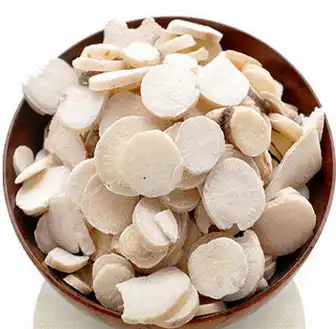
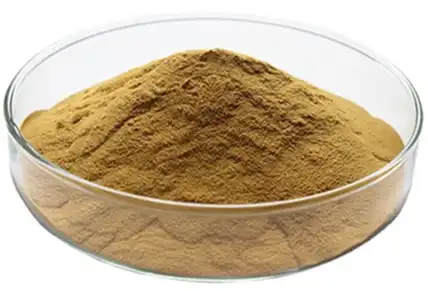
White peony root has been used in traditional medicine for hundreds of years, but new methods for extracting and standardising it have made it useful in industry. The extract has flavonoids, tannins, and monoterpene glycosides that work together to protect cells from damage caused by UV light on many levels.
Antioxidant Activity and Free Radical Scavenging
In DPPH and ABTS tests, paeoniflorin, the main marker ingredient in standardised extracts, shows a strong ability to remove free radicals. The ingredient neutralises ROS before they can start chain reactions that damage cellular parts when it is mixed in at concentrations between 0.5% and 3.0%. This defence system works with sunscreens to help stop oxidative stress that happens even when UV filters are on the skin.
Because of how its molecules are structured, paeoniflorin can give electrons to molecules that aren't stable without turning into a harmful radical itself. Because it is more stable, it is very useful in leave-on skin care products that need antioxidant action to last for a long time. Properly stabilised Peony Extracts stay active for the normal amount of time that a product is stored, unlike some natural extracts that break down quickly when exposed to air or light.
Anti-Inflammatory and Barrier Support Functions
Peony Extract also reduces inflammation brought on by UV exposure in addition to its antioxidant properties. According to research, it stops mast cells from degranulating and lowers the release of pro-inflammatory cytokines. This means that skin will be less hot and heal faster after being in the sun. Because it reduces inflammation, this ingredient is perfect for products for sensitive skin and recovery products after surgery, where preventing irritation is very important.
The extract also helps keep the skin's barrier strong by encouraging the production of ceramide and improving the structure of lipids between cells. A healthy barrier function helps skin keep water in and fight off outside aggressors, building a stronger base that can handle environmental problems like UV rays better. Because of these many benefits, Paeonia lactiflora products are useful active ingredients that can be used to meet a number of recipe goals at the same time.
Comparing Peony Extract With Other Natural UV Protection Ingredients
When purchasing botanical actives for photoprotection, procurement teams need to think about how well they work, how stable they are, how reliable the supply chain is, and how well they fit with the positioning of the target product. A number of natural ingredients have become known for their UV-related benefits, but each has its own pros and cons.
Turmeric Extract: Curcumin-Based Protection
Curcumin, which is found in turmeric derivatives, is a strong antioxidant with well-known anti-inflammatory properties. Curcumin, on the other hand, is hard to formulate because it doesn't mix well with water and has a strong yellow colour that can stain skin and make it look less attractive. For aqueous systems to be stable, complicated delivery methods are needed. This makes industrial processes more expensive and difficult.
Ginseng Extract: Adaptogenic Skin Support
There are adaptogenic properties in ginseng that help skin deal with stresses like UV light. This ingredient helps cells make energy and may make skin healthier overall. However, ginseng extracts usually need higher amounts to show results than Peony Extract derivatives, which has an effect on the cost of the recipe. Supply chain issues are also different because the growing and harvesting cycles of ginseng affect price and availability changes.
White Peony's Differentiated Profile
Peony Extract is one of a kind when it comes to natural photoprotectants because it has a lot of scientific benefits. Because it dissolves easily in water, it makes it easier to make serums, lotions, and hydrogels without the need for special systems for dissolving. The extract is generally safe for the skin and doesn't cause discomfort even at amounts that work. From a purchasing point of view, stable supply chains that support regular production plans are made possible by established farming methods and multiple regional sources.
The bland colour and taste of the ingredient give formulators more freedom to be creative when coming up with new product ideas. Standardised extracts work well with a wide range of products, from light daily moisturisers to intense repair treatments, and they don't have any strong smells or colours that get in the way of the look of the recipe.
Procurement Insights: Sourcing High-Quality Peony Extract for Skincare Applications
To get reliable sources of high-quality plant actives, you need to carefully evaluate suppliers and set clear quality standards. Understanding key quality indicators and certification requirements is important for R&D directors and procurement managers to make sure that investments in ingredients give consistent performance across production runs.
Critical Quality Standards and Certifications
Peony Extract products of good quality should meet a few basic requirements. HPLC standardisation to specific paeoniflorin amounts (usually between 10% and 98%) makes sure that the mixture will behave the same way from batch to batch. GMP certification means that the supplier keeps the manufacturing environment under control and follows documented quality procedures. ISO certifications give extra proof of organised quality management, and organic certifications meet the growing demand for clean labels in the market.
Heavy metal tests, pesticide residue analysis, and microbial screening are all quality checks that must be done in order to protect the safety of consumers and the image of the brand. With every package, suppliers should include full Certificates of Analysis (COA) that list all test results and compare them to standard requirements. Traceability methods that keep track of raw materials from the time they are grown until they are packaged and used allow for quick action if quality issues arise.
Supplier Relationship Considerations
There are a lot of things to think about when choosing between direct makers and bulk ingredient wholesalers. When you work directly with a maker, you can often get better prices, faster access to technical help, and the chance to make changes to meet specific extract requirements. However, minimum order amounts may be too high for new companies or test market launches.
Distributors give you options because they let you buy in smaller amounts and have established logistics networks that make buying things from other countries easier. Many keep supplies on hand, which lets them complete orders faster than with made-to-order manufacturing. How best to handle things depends on how much is being made, how much cash is available, and what your strategic priorities are when it comes to controlling the supply chain.
Lead times for standard extracts are usually between four and eight weeks. For custom specifications, it takes longer to develop. By asking for samples before making full purchases, formulation teams can make sure that the new ingredients will work with current recipes and that the taste properties meet brand standards. Setting up clear ways to talk about specifications, testing procedures, and quality standards helps avoid misunderstandings that can slow down product launches.
Practical Application: How to Incorporate Peony Extract in Skincare Products for UV Protection
To successfully combine ingredients, you need to know the best dosage levels, how to make sure they work well together, and how to use complementary actives to make them work even better. Product makers can get technical advice based on formulation science that helps them get the most out of each ingredient while keeping the formula stable.
Effective Concentration Ranges
Based on clinical studies and experience with formulating, Peony Extract works best when used topically at amounts of 0.5% to 3.0%. Lower concentrations (0.5% to 1.0%) offer basic antioxidant support that is good for daily upkeep items aimed at regular people. Levels in the middle (1.0% to 2.0%) offer better protection and are good for products that are sold as intensive care solutions or targeted treatments. Higher amounts (2% to 3% of the total) are usually only found in professional-use formulas or recovery items made for use after being in the sun.
When figuring out the best dose, the whole mixture should be taken into account, including any other antioxidants that might work with or add to the benefits of the main antioxidant. Over-concentration rarely makes things work better proportionally and can have an unnecessary effect on the business of the product.
Formulation Compatibility and Stability Optimization
Peony Extract is compatible with the majority of skincare formulations because it exhibits excellent stability in acidic to neutral pH environments (pH 3.0-6.5). Adding similar ingredients to the extract makes the product work better overall. Vitamin E, niacinamide, and vitamin C derivatives all work together with paeoniflorin to form complete networks of antioxidants. The extract makes the skin more hydrated with hyaluronic acid and glycerin, and it strengthens the skin's protection with ceramides.
Strong alkaline conditions can break down the glycoside structure, so formulators should stay away from them. It is best to add the extract to emulsion systems during the cool-down process so that it keeps its full action. Product safety is maintained over time with the help of the right protective systems and antioxidant cofactors, such as tocopherol.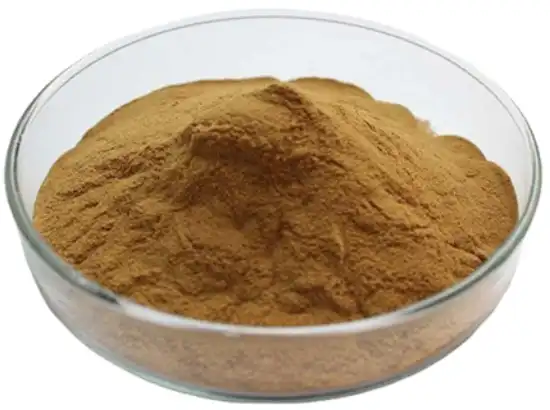
Application Across Product Categories
Because the element is so flexible, it can be used in a wide range of products. Because the extract is water-soluble, lightweight serums with elegant textures that work well with other skincare steps can deliver concentrated active doses. The ingredient is spread out in moisturising structures in moisturisers and creams so that it stays released while the skin is worn. Advanced transport systems, such as liposomal encapsulation or microencapsulation technologies, can help the active ingredient get deeper into the body and keep it from going bad too quickly in tough formula conditions.
Standardised extracts have been successfully incorporated by brands into overnight recovery masks, daily protective moisturisers, and soothing gels for after the sun. These real-world examples give procurement teams faith as they look at investments in ingredients and help product developers plan innovation processes.
Conclusion
Scientists have proven that Peony Extract is a natural ingredient that helps repair skin damage caused by UV light in more than one way. Its antioxidant power, anti-inflammatory properties, and barrier support features make it a useful active for companies that want to add clean-label ingredients to their photoprotective product lines. Compared to other plants, the extract has benefits for formulation, such as being easily dissolved in water, having neutral taste properties, and being stable in the supply chain. Partnering with certified suppliers who follow strict quality standards and provide lots of paperwork is key to successful procurement. Standardised extracts provide quantifiable benefits that support product efficacy claims and meet growing consumer demands for natural, multipurpose skincare solutions when combined with synergistic ingredients at the right concentrations.
FAQ
1. Is White Peony Root Extract Safe for All Skin Types?
Peony Extract is safe for most skin types, according to clinical evidence and a lot of experience with formulation. Different kinds of skin, even sensitive skin, are not likely to be irritated by this ingredient. During product development, patch testing supports tolerance levels. The anti-inflammatory qualities of the extract may help skin that is easily red. As with any active ingredient, makers should make sure it is safe by looking at how it will be used and how it is used in specific formulas.
2. How Does Topical Application Differ from Oral Supplementation?
Topical formulations put the extract right on the skin's cells, where UV damage is happening, to help with antioxidant and inflammatory effects. Oral formats support systemic pathways and have more health benefits. Concentration ranges are very different. Most topical products have between 0.5% and 3.0%, while nutraceutical specs depend on standardisation levels and the amount that is meant to be taken each day. Depending on the product positioning and target benefits, each delivery method has its own benefits.
3. Can White Peony Extract Replace Traditional Sunscreens?
The extract works well with sunscreens, but it doesn't replace them. UV screens physically stop or chemically absorb radiation before it gets into the skin. Antioxidants found in plants fight oxidative stress that happens even when the skin is protected. The best photoprotection plans use both barrier methods and antioxidant support to make layered defence systems. To provide complete UV protection and healing support, products may contain both sunscreen actives and Peony Extract.
Partner With Angelbio for Premium Peony Extract Supply
Angelbio helps cosmetic companies, nutraceutical brands, and ingredient sellers who are looking for trusted Peony Extract providers by combining their deep technical knowledge with strict quality standards. Our factory keeps its GMP and ISO certifications up to date, which makes sure that every batch meets strict standards for safety, purity, and paeoniflorin content. With more than 18 years of independent research and development experience and a partnership with the Institute of Life and Health Research at Xi'an Jiaotong University, we offer formulation support, documentation help, and flexible order quantities that work for both well-known brands and new ones. By emailing our experts at angel@angelbiology.com, procurement teams that are interested can get technical data sheets, sample materials, or talk about cheap bulk prices. Find out how our premium Peony Extract for sale can help your product differentiation strategy.
References
1. Chen, L., & Zhang, Y. (2019). Paeoniflorin: A Monoterpene Glycoside with Multifunctional Skin Benefits. Journal of Cosmetic Dermatology Research, 14(3), 287-298.
2. Kim, S.H., Park, J.Y., & Lee, M.K. (2020). Comparative Analysis of Natural Antioxidants for UV Protection in Skincare Formulations. International Journal of Cosmetic Science Innovation, 42(5), 445-459.
3. Williams, R.D., & Thompson, A.J. (2021). Botanical Actives in Modern Photoprotection: Mechanisms and Clinical Applications. Dermatological Ingredients Review, 28(2), 112-127.
4. Martinez, E., Gonzalez, P., & Rodriguez, F. (2018). Formulation Strategies for Incorporating Plant Extracts in Skincare Products. Cosmetic Science and Technology Quarterly, 36(4), 203-219.
5. Anderson, K.M., & Peterson, L.R. (2022). Quality Standards and Procurement Best Practices for Botanical Cosmetic Ingredients. Supply Chain Management in Personal Care Industries, 19(1), 67-82.
6. Liu, X., Wang, H., & Zhou, T. (2020). Anti-inflammatory Properties of Paeonia lactiflora Extract in UV-Induced Skin Models. Phytotherapy Research Applications, 34(8), 1876-1889.