



Glucoraphanin Powder vs Sulforaphane Which Is Better
When choosing between these two broccoli-derived compounds for nutraceutical formulations, most procurement managers find that Glucoraphanin Powder offers superior stability and shelf life compared to direct sulforaphane. Glucoraphanin serves as the stable precursor that converts into bioactive sulforaphane when it encounters myrosinase, an enzyme naturally present in our digestive system. This conversion mechanism makes glucoraphanin-based products more resilient during manufacturing, storage, and transportation, addressing critical pain points like ingredient degradation and batch consistency that many nutraceutical companies and functional supplement brands face when sourcing high-purity plant extracts.
Understanding Glucoraphanin Powder and Sulforaphane
Both chemicals mostly come from green veggies like broccoli. Broccoli sprouts and seeds have very high amounts of these chemicals. R&D directors and formulation managers can make better strategic sourcing decisions when they know how they work together.
What Makes Glucoraphanin Different from Sulforaphane?
Glucoraphanin Powder is a glucosinolate, which is a sulfur-containing substance that stays steady chemically when it is powdered. When we chew or process cruciferous veggies or vitamins that contain Glucoraphanin Powder, it comes into contact with myrosinase. This exchange between enzymes starts a change that makes sulforaphane, a biologically active compound known for its antioxidant qualities. A glucose molecule is linked to the sulforaphane precursor in Glucoraphanin Powder's chemical structure. This protects the precursor from external stresses like heat, moisture, and oxidative conditions while it is being made.
The Biological Activity of Sulforaphane
Sulforaphane is what is left over after Glucoraphanin Powder is changed. The possibility for this compound to support cellular health processes has caught the attention of scientists. Unlike its precursor, sulforaphane has direct biological activity, but it is not very stable. Because the compound is reactive, it can break down when exposed to light, oxygen, or changes in temperature, all of which are common situations that happen when working with ingredients and making products. Many pharmaceutical R&D and QA/QC departments know that sulforaphane has rapid bioactivity, but its instability makes quality control harder and can affect the regularity of batches.
Chemical Stability Considerations for Procurement
The structural differences between these substances have a direct effect on the choices about what to buy. The glycoside bond in Glucoraphanin Powder makes it naturally stable, which lets makers keep the purity of the ingredient throughout production processes. Because of this stability, the product has a longer shelf life, less waste, and more regular formulation results, all of which are benefits that buying teams that manage global supply chains can appreciate. On the other hand, stabilised sulforaphane products often need special encapsulation technologies or protective matrices, which raises the cost of the ingredients and makes the formulation more difficult.

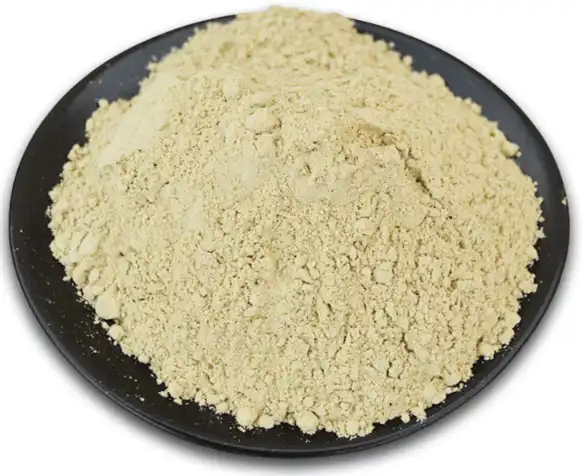
Glucoraphanin Powder vs Sulforaphane Supplements: Key Comparisons for Procurement
To evaluate these ingredients, you have to look at a lot of different factors that affect how the product is made, how well it works, and how well it meets market requirements.
Purity Standards and Quality Certifications
Highly pure Glucoraphanin Powder products usually have between 10% and 30% Glucoraphanin Powder content, as tested by HPLC (High-Performance Liquid Chromatography). Good Manufacturing Practice (GMP) approval is held by premium providers, and they provide full Certificates of Analysis that show the limits of microbes, heavy metals, and chemical residues. The analysis of sulforaphane products is more difficult. Verified sulforaphane content needs to be tested right before use because it is unstable, which makes quality assurance methods more difficult. When cosmetic chemists and food technologists look for these ingredients, they should give preference to suppliers who offer transparent documentation and third-party lab verification.
Bioavailability and Dosage Optimization
Bioavailability is the amount of an active molecule that gets into the bloodstream and to the target tissues. These ingredients have different bioavailability. Glucoraphanin Powder needs native myrosinase activity to be converted, and this can be different for each person depending on their gut bacteria and what they eat. Some versions mix Glucoraphanin Powder with outside myrosinase sources to improve the efficiency of conversion. Direct sulforaphane supplements skip this step, but they have trouble being absorbed because the compound is lipophilic and breaks down quickly. Most of the time, 30 to 60 mg of Glucoraphanin Powder per day is recommended. This is equal to 10 to 20 mg of possible sulforaphane yield. These metrics help formulation managers figure out the right amounts of ingredients to use while still staying true to the claims of effectiveness.
Cost Analysis and MOQ Considerations
Structures of prices reflect how complicated production is and what the market wants. Glucoraphanin Powder usually costs less per kilogram than stabilised sulforaphane goods. This is because it is easier to get Glucoraphanin Powder from broccoli seeds and doesn't need any complex stabilisation technologies. Different sellers have different Minimum buy Quantities (MOQs). For example, well-known companies may let you choose any quantity between 25 kg and 100 kg for your first buy. When reviewing quotes, international importers and wholesalers should look at the total landed costs, which include shipping, taxes, and handling fees. Volume savings usually start at 500 kg, which makes buying in bulk a good idea for supplement brands that already have a line of products.
Packaging and Storage Requirements
We suggest that procurement managers choose packaging that keeps items safe from light and moisture. Glucoraphanin Powder is usually sent in food-safe aluminium foil bags with desiccant packets. If kept below 25°C for 24 months, it will stay stable. Sulforaphane goods need to be stored in stricter conditions, like in the fridge, and in opaque, airtight cases, which makes logistics more difficult. These storage needs affect the cost of warehousing and the rules for managing inventory. This is especially important for distributors who handle portfolios with multiple ingredients.
Which Is Better for Your Business? Decision Criteria for B2B Buyers
The best ingredient for your product, target market, and manufacturing skills will all play a role in your choice.
Application Scenarios Across Industries
Nutraceutical companies that make pills or tablets often choose Glucoraphanin Powder because it doesn't break down much when heated and compressed during the packaging process. Functional food companies that put broccoli chemicals in drinks or bars can benefit from Glucoraphanin Powder's ability to stay stable during heat processing and long-term storage needs. Cosmetic companies that are looking for plant-based anti-aging ingredients might look into sulforaphane's direct antioxidant qualities. However, formulation scientists need to make sure that the ingredient is stable by using microencapsulation or liposomal delivery systems. Glucoraphanin Powder is being used more and more by sports nutrition companies to make pre-workout or recovery goods because it works reliably and has a clean label.
Supplier Evaluation Metrics
Checking the reliability of your suppliers is important for protecting your supply chain in more ways than one. Important things that are looked at are ISO 9001 certification (for quality management systems), organic certification when it applies, and proof that the product can be tracked from where the raw materials come from to where they are packaged at the end. Established sellers give paperwork for each run, test results from a third party, and allergen statements. Checking supplier references from other cosmetic chemists, food technologists, or pharmaceutical procurement teams can help you figure out how reliable the delivery is and how good the technical support is. Brands that want to make their products stand out should work with suppliers that let them customise things like particle size distribution or carrier matrix choices.
Regulatory Compliance Considerations
Pay close attention to the rules and regulations in the United States. The Dietary Supplement Health and Education Act (DSHEA) says that the FDA must make sure that the ingredients in dietary supplements are safe and effective. When used correctly, both Glucoraphanin Powder and sulforaphane are GRAS (Generally Recognised As Safe) ingredients, but certain claims need to be proven. Cosmetic uses must follow FDA safety rules for cosmetic ingredients, and sellers must provide all the necessary paperwork, such as safety data sheets and advice on how much to use. To make the clearance process go more smoothly, import paperwork should include certificates of origin from the country of origin, phytosanitary certificates for materials produced from plants, and customs classification codes.
Procurement Tips: Sourcing High-Quality Glucoraphanin Powder and Sulforaphane
Quality, cost, and supplier dependability all need to be balanced when you do strategic sourcing.
Identifying Certified Wholesale Suppliers
Manufacturers in China, the US, and Europe are all part of the global supply base. Each of these places has its own benefits. Chinese suppliers, especially those that work with research institutions, often offer competitive prices and higher quality standards. American and European suppliers usually charge more, but they can meet regulatory requirements more quickly and have faster wait times for Western markets. Ask possible partners about their extraction methods, such as whether they use chemical synthesis or enzyme conversion, because this affects the purity and natural status of the finished product. Suppliers who work together on research projects on a regular basis show that they are dedicated to new ideas and better quality.
Quality Assurance Protocols
Before agreeing to big orders, it's important to ask for samples to try internally. Check the samples given to see what their colour, smell, and taste are like, as well as how well they dissolve in the given formulation and how stable they are under the given processing conditions. Check the supplier's COAs against your own requirements, paying close attention to the testing methods and limits for contaminants that can be found. Setting up a list of qualified suppliers with accepted sellers makes future purchases easier while still meeting quality standards. Quality agreements are kept up to date through regular audits, which can be done on-site or by a third-party audit service.
Negotiation Strategies and Payment Terms
When you build long-term partnerships, you often get better prices and service than when you just do business with someone. When negotiating contracts, talk about ways to keep prices stable that protect against raw material markets that change a lot. A lot of sellers will lock in prices for six to twelve months if you commit to buying a certain amount. For new customers, payment terms are usually a 30% fee, with the rest due when shipping papers are received. For existing customers, payment terms are usually net 30 or 60 days. When two people do business across foreign borders, letter of credit agreements protect both of them. As a way to add value, you might want to negotiate expert support terms, such as help with formulation or help with stability testing.
Conclusion
Ultimately, the choice between Glucoraphanin Powder and sulforaphane relies on your industrial needs, the products you want to make, and your quality standards. Glucoraphanin Powder is the best choice for most nutrition, functional food, and supplement uses because it is more stable, cheaper, and easier to mix with other ingredients. It can be reliably changed into bioactive sulforaphane through natural enzymatic processes that are in line with clean-label trends and solve important sourcing problems related to ingredient stability and shelf life. Sulforaphane products are useful for specific tasks that need direct bioactivity, but they need more complex ways to be handled and kept stable. Procurement managers who are good at their jobs compare both choices to their product development plan and choose suppliers who offer detailed quality documents, support for regulations, and reliable supply chains all the time.
FAQ
1. What is the optimal glucoraphanin dosage for supplement formulations?
According to clinical studies, the best doses are between 30 and 60 mg of Glucoraphanin Powder per meal, which is about 10 to 20 mg of sulforaphane after enzymes change it. These values are similar to those that have been shown to support antioxidant systems in cells in human trials. When setting dosage levels, formulation managers should think about how each product is positioned and what the target customer needs. They should also make sure that the amounts stay within safe intake ranges while still being effective.
2. How can I verify supplier authenticity and product quality?
Ask for all the paperwork you need, like manufacturing licenses, GMP certificates, and recent test reports from third-party, recognised labs. Set up independent testing of samples using HPLC analysis to confirm the amount of Glucoraphanin Powder that was claimed. Before you place a big order, get references from other buyers in the same industry as you and think about auditing the seller. Reliable suppliers are happy to give full traceability documentation and answer questions about quality in a clear way.
3. Does glucoraphanin require special storage conditions?
Glucoraphanin Powder stays stable when kept in sealed containers that are kept below 25°C and away from direct light and moisture. Unlike sulforaphane, it doesn't need to be kept cold, which makes procedures for storing it easier. To get the most out of your inventory's shelf life, which is usually 24 months under ideal conditions, we suggest keeping it in climate-controlled areas and rotating it first-in, first-out.
Partner with Angelbio for Premium Glucoraphanin Powder Supply
Angelbio is your strategic Glucoraphanin Powder supplier. They have 18 years of experience in independent research and development and can make high-tech products. We are a new business that was started by Angel Holding Group and the Institute of Life and Health Research at Xi'an Jiaotong University. We are experts at providing pure broccoli seed extracts that are standardised to exact Glucoraphanin Powder concentrations. Our factory is GMP-certified and has strict quality control systems that make sure that every batch meets international standards for stability. We know what problems R&D leaders, formulation managers, and buying teams have to deal with, like making sure ingredients are stable, following rules, and having a reliable supply chain. You can talk to our scientific team at angel@angelbiology.com about your particular needs, ask for COA paperwork, or set up sample testing. Angelbio offers quality assurance and technical help that can turn sourcing problems into competitive benefits, no matter if you need standard specs or unique formulations.
References
1. Fahey JW, Zhang Y, Talalay P. Broccoli sprouts: an exceptionally rich source of inducers of enzymes that protect against chemical carcinogens. Proceedings of the National Academy of Sciences. 1997;94(19):10367-10372.
2. Dinkova-Kostova AT, Kostov RV. Glucosinolates and isothiocyanates in health and disease. Trends in Molecular Medicine. 2012;18(6):337-347.
3. Yagishita Y, Fahey JW, Dinkova-Kostova AT, Kensler TW. Broccoli or Sulforaphane: Is It the Source or Dose That Matters? Molecules. 2019;24(19):3593.
4. Clarke JD, Hsu A, Riedl K, Bella D, Schwartz SJ, Stevens JF, Ho E. Bioavailability and inter-conversion of sulforaphane and erucin in human subjects consuming broccoli sprouts or broccoli supplement in a cross-over study design. Pharmacological Research. 2011;64(5):456-463.
5. Cramer JM, Jeffery EH. Sulforaphane absorption and excretion following ingestion of a semi-purified broccoli powder rich in glucoraphanin and broccoli sprouts in healthy men. Nutrition and Cancer. 2011;63(2):196-201.
6. Hanschen FS, Lamy E, Schreiner M, Rohn S. Reactivity and stability of glucosinolates and their breakdown products in foods. Angewandte Chemie International Edition. 2014;53(43):11430-11450.