



Ceramides Guide: Benefits for Skin Hydration & Barrier
Ceramides protect the skin from outside aggressors and keep it hydrated. They form a healthy skin barrier. The most common ingredient for cosmetics and wellness goods is pure ceramide powder. More stable, concentrated, and usable in many goods. This guide discusses ceramides' benefits, compares formulations, and offers sensible purchase advice. Buying ingredients, leading R&D teams, and choosing new skin care products require bioactive selection and usage skills.
Understanding Pure Ceramide Powder and Its Role in Skin Health
The Molecular Architecture of Ceramides
Ceramides are sphingolipids with an amide connection between a sphingoid base backbone and a fatty acid chain. Ceramides blend into the stratum corneum's intercellular lipid matrix due to their amphiphilic nature, which loves both water and oil. Ceramide 1–9 (EOS, NS, NP, EOP, AS, AP, AH, NH, and NG) naturally occur in our skin and contribute to barrier integrity. The Journal of Lipid Research found that these molecules make up 50% of the outermost skin layer's lipid composition, generating lamellar bilayers that inhibit transepidermal water loss (TEWL) and block irritants and allergens.
Ceramide powder contains bioactive chemicals with purity levels above 95%, unlike cream or oil formulations. This off-white powder with a melting point between 90°C and 110°C indicates structural integrity and thermal stability. These lipids produce liquid crystal formations that mimic the skin's architecture, making barrier repair ideal when properly included in formulations.
Clinical Evidence Supporting Barrier Repair and Hydration
Multiple clinical trials have shown that topical ceramide improves skin barriers. Ceramide-enriched formulations reduced TEWL by 21% and improved skin hydration by 34% following four weeks of continuous use, according to a controlled trial in the International Journal of Cosmetic Science. Ceramides fill lipid matrix gaps, "sealing" the barrier and minimising moisture loss.
Skin research has linked ceramide insufficiency to atopic dermatitis, psoriasis, and age-related xerosis. Studies suggest that eczema patients have decreased skin ceramide levels, making them more susceptible to irritants and allergens. Boosting barrier function with bioidentical ceramides reduces inflammation and improves skin health. These discoveries make ceramide actives essential in therapeutic skincare for delicate or injured skin.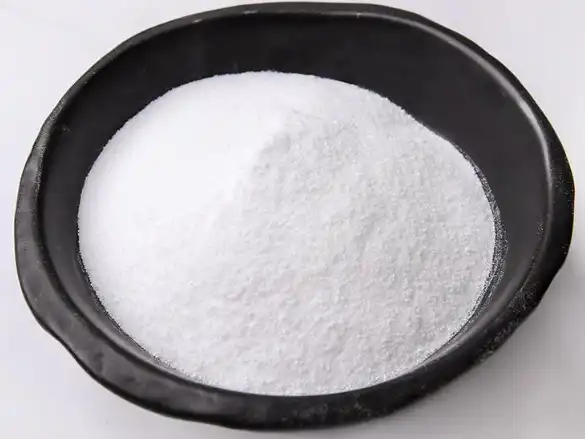
Formulation Considerations for Maximum Efficacy
Pure ceramide powder in skincare products requires proper processing and delivery. The oil phase must be heated to 90°C-95°C to dissolve completely and prevent crystallisation while cooling due to its high melting point. Industry best practice is to pre-disperse the powder in amphiphilic esters like octyldodecanol or isostearyl alcohol before adding to the main oil phase to ensure uniform dispersion.
Multi-lamellar emulsion (MLE) technology is successful in delivering structures that mimic the skin's natural lipid order. The best ceramide-to-cholesterol-to-fatty acid ratio for biomimetic structures is 1:1:1 or 3:1:1. Product developers say formulations with this golden ratio mend barriers better than those with mismatched lipid profiles. For deeper penetration and greater regeneration effects, combine ceramides with niacinamide or panthenol in advanced skincare products.
Comparing Pure Ceramide Powder with Alternative Ingredients and Products
Ceramides versus Hyaluronic Acid: Complementary Hydration Mechanisms
Ceramides and hyaluronic acid are skincare hydration powerhouses, but they work differently. Hyaluronic acid attracts and binds water molecules from the environment and deeper skin layers, retaining 1,000 times its weight in water. This moisture-attracting feature causes instant plumping and surface hydration. If the lipid barrier is broken, this water evaporates fast, limiting long-term hydration.
Ceramides strengthen the barrier to prevent water loss rather than just drawing moisture. Combination formulations work well due to their complementary activity. In a Journal of Clinical and Aesthetic Dermatology study, products with ceramides and hyaluronic acid retained 42% more moisture after 24 hours than single-ingredient formulations. Formulators can make moisture solutions that attract and retain water thanks to this synergy.
Powder Forms versus Pre-Formulated Ceramide Solutions
Pure ceramide powder and liquid that has already been spread out make the form flexible and effective. Adding solubilisers, stabilisers, and carrier oils to a liquid ceramide blend makes it easier to mix, but it limits how it can be customised. These pre-made treatments might change the shape or colour of the product, which would make it look less nice.
Concentrated powders help make complicated mixtures. Not having any chemicals or solvents lets you fully control the delivery system. This means that you can make anhydrous formulations, liposomal encapsulations, and high-concentration barrier repair serums that you can't do with liquid forms. When formulators use lower inclusion rates, they can get therapeutic doses with better purity (95%–99% vs. 5–10% in liquid dispersions), which lowers the cost of raw materials and increases effectiveness. Because powder forms get rid of differences in how they were processed before dispersion, batch-to-batch consistency gets better.
Natural versus Synthetic Ceramide Sources
Ceramides from plants, fermentation, and man-made materials all have effects on how well products work, how well they meet regulations, and how well they do what they're supposed to do. It is possible to get ceramide-like chemicals from rice, wheat, and konjac, but they don't have the same stereochemical arrangement as human skin. Phytoceramides are not as bioavailable as skin-identical chemicals, but they may help with barriers.
When it comes to "nature-identical" structure and clean label marketing, fermentation-derived ceramides from yeast bioengineering are the best. This method of production makes 2S, 3S, and 4R combinations that are stereochemically correct and match the ceramides found in human skin for the best receptor binding and biological action. Chemical synthesis is a cheaper way to make pure ceramides, but less-than-stellar methods could lead to racemic mixes with inactive isomers that lower the effectiveness. Chiral HPLC research is needed to make sure that synthetic sources have active enantiomers.
Strategic Procurement Guide for Pure Ceramide Powder
Supplier Selection Criteria and Quality Verification
Finding a trustworthy ceramide provider requires looking at a lot of different factors. The HPLC test results should confirm the purity levels, with details about the type of ceramide (NP, AP, EOP, etc.) and the lowest level of purity that must be met. Physical properties, suggested usage levels, solubility factors, and storage stability data are all included in technical data sheets from reputable vendors.
Certification alone is not enough to guarantee quality. Ask for Certificate of Analysis (CoA) paperwork for certain production batches to make sure that the amounts of heavy metals (no more than 10 ppm), microbiological limits (USP <61> and <62> standards), and residual solvents are appropriate for pharmaceutical-grade raw materials. Buyers with more knowledge should ask for chiral analysis results to make sure the stereochemical purity, which impacts biological activity, is correct. Differential Scanning Calorimetry (DSC) temperature analysis can find differences in polymorphisms that change how well something dissolves and how it reacts to being mixed. This makes it an important quality control tool for developing important products.
Geographic Considerations and Supply Chain Logistics
The site of a factory affects things like shipping, following the rules, and protecting intellectual property. China makes most of the fermentation-derived pure ceramide powder because its bioengineering is better, and it can be scaled up cheaply. Large universities and research centres often help facilities by providing better technology support and new ideas. These deals give you access to special strains and better ways to ferment things, which will help you get more consistent yields and lower impurity levels.
Check how experienced and knowledgeable the multinational suppliers are about the target markets and their worldwide distribution networks. Suppliers who know about the FDA, the EU Cosmetics Regulation (EC) No 1223/2009, and other foreign rules can help get a product qualified faster. Think about the lead times for large shipments, which are usually between 3 and 6 weeks for foreign goods in containers, and make sure you have enough on hand in case production is delayed. Working with warehouse distributors in the same area can help speed up sample requests and pressing orders.
Economics of Bulk Purchasing and Private Label Opportunities
When you buy more of certain ceramide components, the price per kilogram goes down by a big amount. When negotiating minimum order quantities, procurement managers should make sure they meet expected demand and suggest tiered pricing that takes into account the benefits of buying in bulk. Before you make big purchases, reputable sellers will give you free or cheap samples (10–100g) to try out different formulations and see how stable they are.
Companies that want to stand out without having to spend a lot of money on buying raw materials, like private label and OEM relationship models. Companies can make their own ceramide blends, purity grades, and packaging through these partnerships, while using the production partner's quality control processes and knowledge of regulations. When making multi-component barrier repair systems that mix ceramides, cholesterol, fatty acids, and complementary actives perfectly, OEM links come in handy. Talking about exclusivity terms, intellectual property protections, and co-branding opportunities in contracts makes sure that long-term strategies are aligned.
Quality and Safety Considerations in Using Pure Ceramide Powder
Regulatory Compliance and Safety Standards
Ceramides meet global cosmetic and nutraceutical safety standards. The Cosmetic Ingredient Review (CIR) Expert Panel found numerous ceramide types safe for cosmetic goods at current doses. Ceramides are allowed without limits on the CosIng database in the EU, allowing compatible formulations to enter the market. US dietary supplement regulations require GMP and accurate active ingredient labelling for nutraceutical purposes.
Stability and active-active interaction are part of formulation safety beyond ingredient approval. Ceramides are chemically stable against oxidation, unlike many unsaturated fatty acids, yet hydrolysis occurs in extreme pH conditions (below 4 or over 9). Finishing product pH between 5.0 and 6.5 optimises ceramide stability and skin compatibility. When using ceramides with powerful actives like retinol or alpha-hydroxy acids, assess stability under accelerated ageing conditions to ensure ingredient integrity over shelf life.
Identifying Authentic Products and Avoiding Counterfeits
The rising demand for ceramide compounds has led to counterfeit and contaminated products that undermine efficacy and safety. Pseudo-ceramides, synthetic molecules that resemble sphingolipids but lack the whole architecture, sometimes arrive in the supply chain at low prices. Imposters fail to restore barriers and may introduce sensitising or irritating contaminants.
To prevent fraud, verification methods are needed. NMR and mass spectrometry confirm the sphingoid base and molecular weight. Instead of unclear private trade names, technical documentation should contain INCI (International Nomenclature of Cosmetic Ingredients) nomenclature for pure ceramide powder types like NP or AP. Compared to spot purchases from unknown sources, long-term relationships with vetted suppliers reduce counterfeit risk by revealing manufacturing procedures and quality control systems.
Conclusion
Ceramides are essential for barrier repair and hydration in skincare, cosmetic, and medicinal uses. Pure powder forms' concentrated bioactivity provides formulation flexibility, efficacy advantages, and quality consistency to differentiate products in competitive marketplaces. Strategic procurement decisions based on supplier evaluation, quality verification, and regulatory compliance position your brand to deliver scientifically validated barrier care solutions. Ceramide compounds will lead advanced skincare science by meeting fundamental skin health needs across consumer segments and therapeutic categories as research uncovers novel applications and delivery methods.
FAQ
Q1: What concentration of ceramide powder delivers optimal barrier repair results?
Clinical research indicates that effective barrier repair formulations typically contain 0.05%-0.2% ceramides for daily maintenance applications, while intensive repair treatments targeting severely compromised barriers may incorporate 0.5%-1.0%. Higher concentrations do not necessarily improve outcomes if the formulation cannot maintain proper lamellar lipid organisation. The ceramide-to-cholesterol-to-fatty acid ratio proves equally important as absolute concentration, with the 3:1:1 or 1:1:1 ratio demonstrating superior barrier reconstruction properties. Product developers should conduct dose-response studies during formulation optimisation to identify the minimum effective concentration that achieves desired performance benchmarks while maintaining cost efficiency.
Q2: Can ceramide powder be combined with active ingredients like retinol or vitamin C?
Ceramides demonstrate excellent compatibility with most cosmetic actives, including retinoids and ascorbic acid derivatives. The combination proves particularly valuable in anti-ageing formulations, as ceramides counteract the barrier disruption that sometimes accompanies retinol use, reducing irritation and dryness. When formulating with pH-sensitive actives such as L-ascorbic acid, maintain product pH within the 5.0-6.5 range to ensure both ceramide stability and vitamin C efficacy. Conduct thorough stability testing under accelerated conditions (40°C, 75% relative humidity) to confirm ingredient integrity over the intended shelf life. Some formulators prefer separating highly reactive actives into different product steps (such as a vitamin C serum followed by a ceramide moisturiser) to eliminate interaction concerns while maintaining regimen efficacy.
Q3: How long does shipping typically take for bulk ceramide powder orders?
Standard lead times for international bulk shipments range from 3-6 weeks, encompassing manufacturing, quality control verification, export documentation, and freight transit. Air freight options reduce delivery time to 7-14 days but increase transportation costs significantly, making this option most suitable for urgent requirements or high-value smaller quantities. Suppliers maintaining regional distribution warehouses can fulfil orders within 1-2 weeks, though this convenience may come with modest price premiums. When planning procurement timelines, factor in additional weeks for sample evaluation and formulation testing before committing to production-scale orders. Establishing standing orders or framework agreements with predictable delivery schedules helps maintain consistent raw material availability while optimising inventory carrying costs.
Partner with Angelbio for Premium Ceramide Solutions
Angelbio stands ready to elevate your product formulations with pharmaceutical-grade pure ceramide powder manufactured under rigorous quality protocols. With over 18 years of independent R&D expertise and testing capabilities, our facility—jointly backed by Angel Holding Group and Xi'an Jiaotong University's Institute of Life and Health Research—delivers consistent, high-purity ceramide ingredients that meet international regulatory standards. Our technical team provides comprehensive formulation support, helping you navigate incorporation challenges and optimise efficacy in your specific application.
As a trusted ceramide powder supplier to nutraceutical manufacturers, cosmetic brands, and pharmaceutical developers worldwide, we offer competitive bulk pricing, flexible OEM partnerships, and sample availability to support your product development journey. Our commitment to sustainable biotechnology processes and transparent supply chain practices ensures your sourcing decisions align with modern quality expectations and clean-label consumer demands. Contact our team at angel@angelbiology.com to discuss your specific requirements, request technical specifications, or arrange a sample evaluation. Let us help you harness the proven benefits of ceramides to create differentiated products that deliver measurable skin health improvements.
References
1. Coderch L, López O, de la Maza A, Parra JL. "Ceramides and skin function." American Journal of Clinical Dermatology, 2003; 4(2): 107-129.
2. Elias PM, Feingold KR. "Skin Barrier: Function, Structure, and Pathophysiology." Marcel Dekker Publishing, New York, 2006.
3. Meckfessel MH, Brandt S. "The structure, function, and importance of ceramides in skin and their use as therapeutic agents in skin-care products." Journal of the American Academy of Dermatology, 2014; 71(1): 177-184.
4. Chamlin SL, Kao J, Freiden IJ, et al. "Ceramide-dominant barrier repair lipids alleviate childhood atopic dermatitis: changes in barrier function provide a sensitive indicator of disease activity." Journal of the American Academy of Dermatology, 2002; 47(2): 198-208.
5. Imokawa G, Abe A, Jin K, Higaki Y, Kawashima M, Hidano A. "Decreased level of ceramides in stratum corneum of atopic dermatitis: an etiologic factor in atopic dry skin?" Journal of Investigative Dermatology, 1991; 96(4): 523-526.
6. Bouwstra JA, Ponec M. "The skin barrier in healthy and diseased state." Biochimica et Biophysica Acta - Biomembranes, 2006; 1758(12): 2080-2095.