



Does PQQ Powder Boost Mitochondrial Biogenesis?
Yes—PQQ Powder (Pyrroloquinoline Quinone Disodium Salt) has been shown to activate pathways associated with mitochondrial biogenesis, particularly the CREB–PGC-1α signaling pathway. Cell and animal studies provide strong mechanistic evidence, while human research suggests that PQQ may influence mitochondrial-related biomarkers. However, current evidence does not establish that oral PQQ definitively increases mitochondrial number or density in humans.
For nutraceutical manufacturers, R&D teams, and procurement managers, PQQ is therefore best viewed as a promising mitochondrial-support ingredient whose value depends on both scientific rationale and raw material quality.
Looking for PQQ Powder for a new formulation? Request a sample, recent COA, specification sheet, MOQ, and quotation.
Introduction
Mitochondrial health has become an important area in nutraceutical development, particularly for products focused on cellular energy, healthy aging, cognition, and wellness.
Pyrroloquinoline quinone, commonly supplied as PQQ Powder in the disodium salt form, is one of the more studied ingredients in this field. Research indicates that PQQ can influence signaling pathways associated with mitochondrial biogenesis, including CREB and PGC-1α.
For B2B buyers, however, scientific evidence is only part of the evaluation. Purity, batch consistency, analytical testing, regulatory documentation, stability, MOQ, lead time, and technical support are also important when selecting a PQQ supplier.
Understanding PQQ Powder and Mitochondrial Biogenesis
What Is PQQ Powder?
Pyrroloquinoline quinone is a redox-active compound found naturally at low levels in foods. Commercial PQQ is commonly produced through microbial fermentation followed by purification.
A fermented PQQ disodium salt preparation evaluated by EFSA had a minimum purity of 99.0%. The disodium salt form is widely used in commercial formulations because of its practical handling and formulation characteristics.
When qualifying a PQQ Powder Supplier, buyers should look beyond purity and request:
- Product specification
- Batch-specific COA
- Identity and assay results
- Heavy metal and microbiological testing
- Moisture specifications
- Stability information where applicable
- Manufacturing and traceability documentation
- Regulatory documents for the target market
Request a recent COA and specification sheet before approving a supplier.
How May PQQ Support Mitochondrial Biogenesis?
Preclinical research provides the strongest evidence for PQQ's mitochondrial-biogenesis mechanism.
A 2010 study found that PQQ increased mitochondrial-related markers, mitochondrial DNA content, and oxygen respiration in mouse hepatocytes. The researchers linked the effects to CREB activation and increased PGC-1α expression.
PGC-1α is an important regulator of mitochondrial biogenesis, which makes this pathway particularly relevant to PQQ research.
However, activation of a mitochondrial-biogenesis pathway is not the same as proving increased mitochondrial number in humans. Current human evidence remains more limited.
What Do Human Studies Show?
Human studies provide preliminary support but should not be overstated.
A six-week randomized study using 20 mg/day PQQ in untrained men found a greater increase in skeletal-muscle PGC-1α protein in the PQQ group during endurance training. However, there were no significant between-group differences in aerobic performance or body composition.
Overall, the evidence supports PQQ as a promising mitochondrial-support ingredient, while larger human studies are still needed to establish direct effects on mitochondrial quantity and long-term health outcomes.
PQQ Powder Applications and Formulation
- PQQ is being investigated for applications related to:
- Mitochondrial and cellular energy support
- Healthy aging
- Cognitive and brain health
- Antioxidant and cellular resilience
- Premium wellness and longevity formulas
- Multi-ingredient mitochondrial products
Dosage and Formulation Considerations
Human studies have evaluated PQQ at doses including 20 mg/day, and EFSA evaluated a proposed maximum intake of 20 mg/day for healthy adults under specified conditions.
However, 20 mg/day should not automatically be presented as a universally proven efficacy dose for mitochondrial biogenesis. Final formulation levels should reflect the target market, product format, intended consumer, formulation strategy, and regulatory requirements.
PQQ Powder can be considered for capsules, tablets, powders, and selected beverage applications. Formulators should assess moisture, processing conditions, packaging, compatibility, and shelf life.
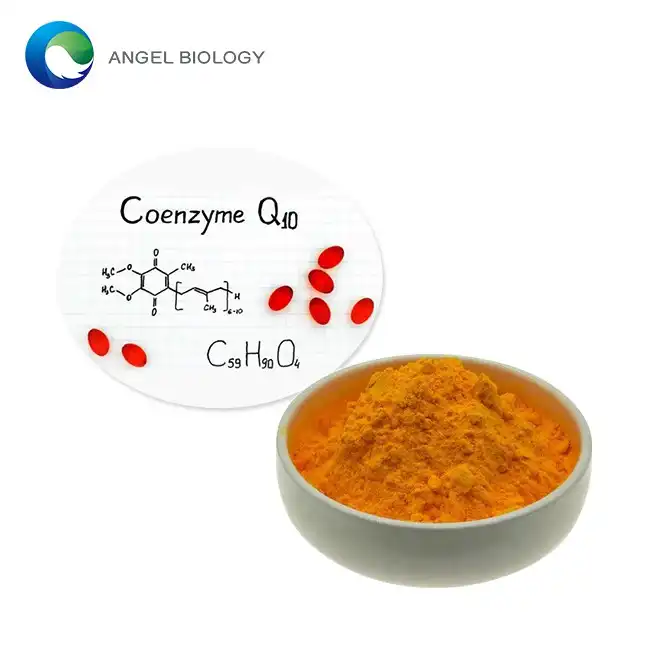
PQQ may also be combined with ingredients such as CoQ10 or NAD+ precursors. Their mechanisms are different, which can provide a logical formulation strategy, but mechanistic complementarity should not automatically be described as clinically proven synergy.
Need a PQQ sample for R&D testing? Request a sample and recent COA before pilot production.
Safety and Regulatory Considerations
PQQ disodium salt has been evaluated by regulatory authorities, but status should always be assessed according to the specific ingredient, application, dosage, and target market.
EFSA evaluated a fermented PQQ disodium salt preparation with a minimum purity of 99.0% and concluded that it was safe under the proposed conditions of use, including a proposed maximum intake of 20 mg/day for healthy adults.
In the U.S., FDA has issued “no questions” responses to GRAS notices involving PQQ disodium salt for specified uses. These responses apply to the specific notified uses and should not be interpreted as blanket approval for every PQQ application.
A qualified supplier should be able to provide relevant regulatory and quality documentation for your intended market.
PQQ vs. CoQ10 and NAD+ Precursors
CoQ10 and ubiquinol are directly involved in mitochondrial electron transport, while PQQ has been investigated primarily for its effects on signaling pathways associated with mitochondrial biogenesis.
Nicotinamide riboside and NMN target NAD+-related metabolism.
Because these ingredients operate through different mechanisms, PQQ can be considered as part of a broader mitochondrial-support formula. However, formulation claims should remain consistent with the available evidence.
How to Choose a PQQ Powder Supplier
Price per kilogram should not be the only qualification criterion.
- A reliable PQQ Powder Manufacturer or Supplier should be able to provide:
- Current specification sheet
- Recent batch COA
- Assay and identity testing
- Heavy metal and microbiological results
- Stability information where applicable
- Manufacturing and traceability information
- Regulatory documents
- MOQ and lead time
- Technical support
For fermentation-derived PQQ, buyers should also understand how production and purification are controlled and how batch-to-batch consistency is maintained.
What Should Buyers Check Before Approving a PQQ Supplier?
Ask:
- Can you provide a recent batch COA?
- Can you provide a product sample?
- Can you provide complete specifications and regulatory documents?
- What are the MOQ and standard lead time?
- What is the annual supply capacity?
- Can you support formulation and scale-up?
These questions help distinguish a long-term supplier from a spot-market trader.
What Can You Request From a PQQ Powder Supplier?
For a new sourcing project, buyers can request a PQQ qualification package including:
- PQQ Powder specification sheet
- Recent batch COA
- Product sample
- Manufacturing and traceability information
- Stability and storage information
- Regulatory documentation
- Heavy metal and microbiological testing
- MOQ, lead time, and bulk pricing
- Technical formulation support
Start Your PQQ Supplier Evaluation
A first inquiry does not require a large purchase commitment.
Provide:
Application: capsule, tablet, powder, beverage, etc.
Target dosage: desired amount per serving
Estimated annual volume: approximate requirement
Target market: U.S., Europe, Asia, etc.
Required documents: COA, specification, regulatory documents, stability data, etc.
The supplier can then provide the appropriate technical and commercial information.
Request Your PQQ Powder Sample + COA + Specification + MOQ + Quotation
This allows your R&D, QA, regulatory, and procurement teams to evaluate the material before commercial purchasing.
Procuring Bulk PQQ Powder
PQQ pricing depends on purity, production technology, order volume, packaging, documentation, and destination market.
Instead of comparing suppliers only by price per kilogram, procurement teams should consider:
Total landed cost ÷ finished-product servings
For commercial projects, buyers should also confirm:
- MOQ
- Lead time
- Annual capacity
- Packaging
- Batch consistency
- Supply continuity
- Commercial terms
Supplier qualification should include both technical evaluation and commercial planning.
Why Choose Angelbio for PQQ Powder?
Angelbio supplies PQQ Powder / Pyrroloquinoline Quinone Disodium Salt for nutraceutical and functional ingredient applications.
According to Angelbio's product information, its PQQ material is produced through fermentation and specified at more than 99.0% purity.

For B2B customers, Angelbio can support the qualification and purchasing process with:
- PQQ Powder samples
- Product specifications
- Batch COA documentation
- Technical formulation support
- Stability-related consultation
- Regulatory and quality documentation
- MOQ and lead-time discussions
- Bulk supply and quotations
Request a PQQ Powder Sample, COA, and Quotation
For a new supplement, functional beverage, sports nutrition product, or mitochondrial-support formula, send:
- Application
- Target dosage
- Estimated annual volume
- Target market
- Required documentation
Email: angel@angelbiology.com
You can request a PQQ Powder sample + recent COA + specification sheet + MOQ + quotation as the starting point for supplier evaluation.
Conclusion
PQQ Powder is a promising ingredient for mitochondrial-support formulations. Preclinical research supports its effects on pathways associated with mitochondrial biogenesis, including CREB and PGC-1α, while human evidence remains preliminary.
The current evidence does not support describing PQQ as conclusively proven to increase mitochondrial number or density in humans. For responsible product development, buyers should distinguish between mechanistic evidence, preclinical findings, human biomarker data, and demonstrated clinical outcomes.
For nutraceutical companies, PQQ can still provide a strong foundation for products positioned around mitochondrial support, cellular energy, healthy aging, and related applications.
From a procurement perspective, purity, batch consistency, testing, regulatory documentation, stability, MOQ, lead time, supply capability, and technical support should all be considered when selecting a supplier.
For a new PQQ sourcing project, the most practical first step is to request a sample, recent COA, specification, MOQ, lead time, and quotation.
FAQ
1. Does PQQ Powder increase mitochondrial biogenesis?
PQQ has been shown to influence pathways associated with mitochondrial biogenesis, particularly CREB and PGC-1α. Preclinical evidence is stronger than human evidence, and direct proof of increased mitochondrial number or density in humans remains limited.
2. What is the recommended dosage of PQQ Powder?
Human studies have evaluated doses including 20 mg/day. The appropriate commercial dose depends on the product format, target market, intended population, formulation strategy, and regulatory requirements.
3. How does PQQ compare with CoQ10?
CoQ10 participates directly in mitochondrial electron transport, while PQQ has been investigated for effects on mitochondrial-biogenesis-related signaling. Their different mechanisms may support combination formulations, although clinically proven synergy should not be assumed.
4. Can PQQ be combined with NAD+ precursors?
Yes, PQQ can be considered alongside NAD+ precursors such as NR or NMN because they affect different aspects of cellular metabolism. Finished-product claims should be based on appropriate evidence.
5. What documents should I request from a PQQ supplier?
Request a current specification, recent batch COA, assay and identity information, heavy metal and microbiological results, stability information where applicable, and relevant regulatory documentation. A physical sample can also support supplier qualification.
6. What should I ask before placing a bulk PQQ order?
A practical qualification package includes:
Sample + recent COA + specification sheet + manufacturing information + regulatory documents + MOQ + lead time + quotation.
For larger projects, also discuss annual capacity, packaging, batch consistency, forecast requirements, and technical support.
References
- Chowanadisai W, Bauerly KA, Tchaparian E, et al. Pyrroloquinoline quinone stimulates mitochondrial biogenesis through cAMP response element-binding protein phosphorylation and increased PGC-1α expression. Journal of Biological Chemistry. 2010;285(1):142–152.
- Harris CB, Chowanadisai W, Mishchuk DO, et al. Dietary pyrroloquinoline quinone alters indicators of inflammation and mitochondrial-related metabolism in human subjects. Journal of Nutritional Biochemistry. 2013;24(12):2076–2084.
- Hwang PS, et al. Effects of Pyrroloquinoline Quinone Supplementation on Aerobic Exercise Performance and Indices of Mitochondrial Biogenesis in Untrained Men. Journal of the American College of Nutrition. 2020;39(6):547–556.
- EFSA Panel on Dietetic Products, Nutrition and Allergies. Safety of pyrroloquinoline quinone disodium salt as a novel food pursuant to Regulation (EC) No 258/97. EFSA Journal. 2017;15(11):5058.
- U.S. Food and Drug Administration. Agency Response Letter GRAS Notice No. GRN 000641: Pyrroloquinoline quinone disodium salt.