




Health Benefits of Rutin Powder
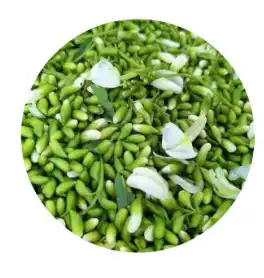
Rutin Powder is a unique bioflavonoid compound that has gained a lot of interest in the wellness and nutritional supplement industries. This natural ingredient comes mostly from the flower buds of the Sophora japonica plant. It has strong antioxidant qualities and helps blood vessels, which are important for today's health problems. It works together with vitamin C to protect cells and keep capillaries healthy because it is a quercetin glycoside. As the need for clean-label, plant-based ingredients grows, rutin becomes a popular choice among formulators looking for natural alternatives to synthetic compounds that are backed by proof.
Understanding What Makes Rutin Powder Exceptional
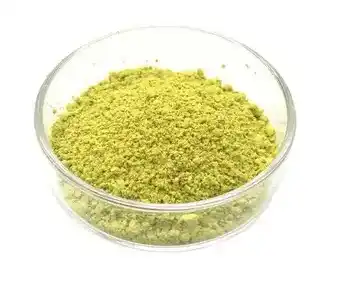
Quality rutin is based on its chemical structure and how precisely it was extracted. Pure rutin, also known as quercetin-3-O-rutinoside, has a molecular weight of 610.52 g/mol and looks like a fine, yellow-green solid powder. Premium-grade material meets strict pharmacopoeial standards, such as USP, EP, and NF11 classifications, when we look at laboratory specs. This bioflavonoid's absorption depends a lot on the particle size and purity levels. Professional-grade powders get sample values of at least 95.0% through HPLC testing, which makes sure they work the same way in all kinds of situations. For hydrated forms, the moisture level stays below 9.0%, which stops microbes from breaking them down while they're being stored. These factors aren't just numbers on a certificate; they have a direct effect on how well the ingredient works in finished products. The way the rutin is extracted is what makes exceptional rutin different from regular types. Modern producers use controlled solvent systems that get rid of impurities while protecting the fragile glycosidic bond. This made a powder that dissolves better in alkaline settings, which means it can be used in a variety of delivery methods. Heavy metal profiles must show amounts of lead, mercury, and arsenic that can't be found, which is in line with international safety standards for food.
Core Health Benefits That Matter to Your Formulations
Vascular Support and Circulation Enhancement
Researchers have found that adding rutin to your diet makes capillary walls stronger by making them less permeable and fragile. This protective effect on the blood vessels comes from its ability to stop certain enzyme processes that break down collagen. When people who have mild leg pain or swelling add bioflavonoid-rich products to their daily routines, they often feel better. Stabilising endothelial cell membranes and stopping fluid from leaking into nearby tissues are two parts of the process. When there is reactive stress, the walls of blood vessels stay more structurally sound. This is why Rutin Powder is used in expert products that aim to improve circulation and comfort in the lower limbs.
Powerful Antioxidant Capacity
Another important benefit of this botanical product is that it gets rid of free radicals. The hydroxyl groups in rutin's chemical structure actively get rid of reactive oxygen species that would otherwise hurt cell parts. Oxygen Radical Absorbance Capacity (ORAC) numbers show that rutin is just as powerful as other well-known plant extracts when it comes to fighting free radicals. This protective action also stops lipid peroxidation, which keeps cell membranes from breaking down due to oxidation. When rutin is mixed with ascorbic acid, it stops vitamin C from breaking down in the gut, which increases the body's total antioxidant capacity. Formulators use this link to make immune support and metabolic wellness blends that work better.
Key Parameters That Define Quality Standards
Professional buyers look at rutin powder based on a number of technical factors. The assay percentage shows how much of an active compound there is, and the purest grades reach amounts of 95–98%. Particle size distribution affects both how the powder is handled and how quickly it dissolves. For powder formulas, uniform mixing is usually achieved by passing 95% of the powder through 80-mesh screens. When formulas are being made, solubility factors are very important. Rutin doesn't dissolve well in cold water (0.125 g/L), but it dissolves easily in methanol and alkaline liquids. This trait helps decide what kind of delivery works best for the purpose, like whether tablets, capsules, liquid extracts, or topical treatments. The melting point, which is used to prove identity, is between 176°C and 205°C based on the level of hydration. Loss on drying tests show that the moisture levels meet the needs for store stability. Testing for residual solvents like methanol, ethanol, and other processing aids makes sure that extraction methods meet government rules for these substances.
Angelbio's Rutin Powder Compared to Standard Market Options
Our production facilities use advanced extraction Rutin Powder technologies along with 18 years of independent study. The difference is clear when you look at batch-to-batch consistency, which is very important for producers who need consistent performance across production runs. Standard products on the market often have differences in purity between 90 and 95%, and the particles aren't always the same size, which makes blending more difficult. Angelbio keeps assay results at ≥98% by using special steps to get rid of quercetin aglycone and other breakdown products. Better solubility and fewer manufacturing problems are the results of this higher purity. Traceability is another thing that sets them apart. From growing the Sophora japonica to the end packaging, our process for getting raw materials is written down and follows strict rules. Before being released, each batch goes through thorough testing across 15+ quality factors, and certificates of analysis make the process clear. It's important not to forget about the technical help aspect. Formulation scientists who work with our rutin powder can get advice on how to use it based on data from real-world tests.
Maximizing Benefits Through Proper Usage
Dosage Considerations
According to research papers, the effective range is between 500 mg and 2,000 mg per day, but different uses may need different amounts. Formulas for sports nutrition that focus on circulation and recovery often have 1,000 mg per dose. Vascular health goods usually contain between 500 mg and 1,500 mg of bioflavonoids that work with the mg. Breaking up daily amounts into several doses makes absorption work better. The limited water solubility means sustained release or micronized forms improve bioavailability compared to standard crystalline powder. When formulators are trying to find the best delivery methods, they should think about techniques for reducing particle size or complexation with cyclodextrins.
Synergistic Combinations
It is known that rutin and vitamin C work better together, which is called synergy. The bioflavonoid stops the oxidation of ascorbic acid, and vitamin C turns oxidised rutin back into its active form. Usually, 500 mg of rutin is mixed with 1,000 mg of vitamin C, but the exact amounts used depend on the goal. Citrus bioflavonoids like quercetin, hesperidin, and others work with rutin's effects on blood vessels and antioxidants. These combinations are found in skilled formulas for heart health. Adding bromelain may help with absorption, especially in products that are meant to help with temporary pain and tissue healing.
Important Considerations for Successful Implementation
Storage and Stability Factors
Light sensitivity requires opaque packaging materials that block UV radiation. Amber glass bottles or Rutin Powder foil-lined pouches preserve potency during shelf life. Temperature control matters less dramatically, though storing below 25°C extends longevity. Humidity represents the primary degradation risk—sealed containers with desiccant packets maintain optimal conditions. Oxidation occurs when rutin comes into contact with air over extended periods. Nitrogen flushing during packaging creates a protective atmosphere that slows deterioration. Once opened, containers should be resealed promptly and used within recommended timeframes, typically 12-24 months depending on formulation.
Regulatory Compliance Aspects
Different markets impose varying requirements for botanical ingredients. The United States classifies rutin as a dietary supplement ingredient under FDA regulations, requiring adherence to cGMP manufacturing practices. European markets follow Novel Food regulations and specific national guidelines that may require pre-market authorization. Documentation supporting safety and intended use becomes crucial during regulatory review. Angelbio provides comprehensive technical dossiers including toxicology data, manufacturing flow diagrams, and quality control protocols. These materials facilitate compliance across diverse jurisdictional frameworks.
Conclusion
The versatility and evidence-supported benefits of rutin powder position it as an essential ingredient across nutritional supplement, cosmetic, and functional food sectors. Understanding quality parameters, application methods, and formulation considerations enables manufacturers to harness their full potential. Premium-grade material sourced from reputable suppliers delivers consistent performance that meets both regulatory standards and market expectations. As consumer demand for natural, effective ingredients continues growing, rutin represents a strategic choice for brands seeking differentiation through science-backed botanical compounds.
FAQ
Q1: How does rutin powder differ from quercetin supplements?
A: Rutin represents the glycosylated form of quercetin, meaning it contains a sugar molecule (rutinose) attached to quercetin's core structure. This glycosidic bond affects absorption rates and metabolic pathways. Some individuals tolerate rutin better than quercetin aglycone, while others prefer direct quercetin supplementation. Both offer valuable antioxidant and vascular benefits through slightly different mechanisms.
Q2: Can rutin powder be combined with medications?
A: Individuals taking prescription medications should consult healthcare practitioners before adding bioflavonoid supplements to their regimen. Rutin may interact with anticoagulant therapies or medications metabolized through specific liver enzyme pathways. Professional guidance ensures safe integration with existing protocols.
Q3: What determines optimal absorption of rutin bioflavonoids?
A: Particle size, delivery format, and co-ingredients significantly influence bioavailability. Micronized powders absorb more efficiently than coarse crystalline forms. Taking rutin with meals containing some fat content may enhance uptake. Combining with vitamin C and other bioflavonoids creates synergistic absorption patterns that improve overall effectiveness.
Q4: How long before noticing benefits from rutin supplementation?
A: Response timelines vary based on individual factors and application areas. Vascular support applications may show measurable improvements within 4-8 weeks of consistent use. Antioxidant effects occur at cellular levels that may not produce immediately noticeable changes. Maintaining regular supplementation over 2-3 months provides adequate assessment periods.
Partner with Angelbio as Your Trusted Rutin Powder Supplier
Angelbio combines research-backed expertise with manufacturing excellence to deliver botanical ingredients that elevate your formulations. Our rutin powder meets international quality benchmarks while maintaining competitive positioning for commercial-scale operations. The technical partnership extends beyond ingredient supply—we provide formulation support, regulatory documentation, and supply chain reliability that reduces your procurement risks. Contact our team at angel@angelbiology.com to discuss how our high-purity rutin powder addresses your specific application requirements and quality expectations.
References
1. Ganeshpurkar A, Saluja AK. The Pharmacological Potential of Rutin. Saudi Pharmaceutical Journal. 2017; 25(2): 149-164.
2. Enogieru AB, Haylett W, Hiss DC, Bardien S, Ekpo OE. Rutin as a Potent Antioxidant: Implications for Neurodegenerative Disorders. Oxidative Medicine and Cellular Longevity. 2018; Article ID 6241017.
3. Sharma S, Ali A, Ali J, Sahni JK, Baboota S. Rutin: Therapeutic Potential and Recent Advances in Drug Delivery. Expert Opinion on Investigational Drugs. 2013; 22(8): 1063-1079.
4. Choi SJ, Lee SN, Kim K, Joo EJ, Song KB, Park JB. Biological Activity and Potential Application of Rutin in Food and Pharmaceutical Products. Korean Journal of Food Science and Technology. 2014; 46(1): 109-121.
5. Kreft S, Knapp M, Kreft I. Extraction of Rutin from Buckwheat (Fagopyrum esculentum Moench) Seeds and Determination by Capillary Electrophoresis. Journal of Agricultural and Food Chemistry. 1999; 47(11): 4649-4652.
6. Chua LS. A Review on Plant-Based Rutin Extraction Methods and Its Pharmacological Activities. Journal of Ethnopharmacology. 2013; 150(3): 805-817.
YOU MAY LIKE
 VIEW MORECeramide Powder
 VIEW MOREErgothioneine Extract Powder
 VIEW MOREPolygonum Cuspidatum Extract Powder
 VIEW MOREBulk Polygonum Cuspidatum Extract Powder
 VIEW MOREAcerola Cherry Extract Powder
 VIEW MOREBlack Elderberry Extract Powder
 VIEW MOREL-glutathione Powder
 VIEW MOREWhite Willow Bark Extract Salicin