




Where to buy ambroxide?
In today's complicated global market, you need to do more than just search the web to find a trustworthy Ambroxide Supplier. If you're a perfumer in Paris looking for real amber notes, an R&D head for a cosmetics company in Seoul, or a procurement manager for a flavour house in New York, knowing where and how to buy high-quality Ambroxide can have a huge effect on the success of your product. This crystalline olfactory treasure is the synthetic version of the rare natural Ambergris. To make sure you get consistent quality that meets international standards, you need to be carefully screened, have technical knowledge, and form smart partnerships with suppliers.
Why Sourcing the Right Ambroxide Supplier Matters Globally
Over the last twenty years, the fragrance business has changed a lot. When natural ambergris was taken from sperm whales, it became illegal and unethical in most markets. This made it very important to find long-term options right away. Synthetic Ambroxide is a molecule that mimics the warm, woody, amber scent profile without raising any ethical issues. However, not all Ambroxide fragrance materials are the same. Small changes in the ways that scents are made, cleaned, and checked for quality can have big effects on how well they work. Even small amounts of impurities in a batch can cause off-notes that ruin the whole perfume mixture. Problems with recrystallisation can happen if the temperature changes during shipping. Isomeric ratios that aren't the same from batch to batch make it hard to reproduce fragrances. Global buying has both pros and cons. Access to specialised manufacturers with competitive prices comes with the chance of getting materials that aren't up to par, having trouble communicating, or having problems with the supply chain. It's especially important for brands that have built their names on natural claims, great smells, or premium positioning.
The Advantages of Strategic Global Sourcing
Having access to a global network of suppliers gives you access to specialised knowledge. Some areas have grown strengths in areas like advanced green chemistry synthesis, new bio-fermentation technologies, or cost-effective semi-synthesis from botanical sources like Clary Sage. Another strong point is price optimisation. Direct ties with manufacturers get rid of the need for markups by middlemen. It becomes possible to buy things in bulk. Having access to different suppliers can help you negotiate when your contract is up for renewal. Technical support varies a lot from one seller to the next. Elite providers offer help with formulation, data from stability tests, regulatory paperwork packages, and custom particle size requirements. These value-added services can greatly shorten the time it takes to build a product.
The Challenges You'll Face
The biggest problem is quality checking. It's hard to figure out what a company's real manufacturing skills are without doing onsite audits or third-party testing. There are fake certificates of analysis going around. Products with wrong labels sometimes get into supply chains. Photographs of facilities can be taken from legal operations and used in a dishonest way. It gets harder to follow the rules when you cross countries. Europe's REACH registration rules, North America's FDA rules, and different standards in the Asia-Pacific markets all require accurate paperwork. An Ambroxide perfume ingredient that is legal in one place might not be allowed in another. Specification mistakes can happen when there are gaps in communication. Sometimes technical terms don't translate clearly. Differences in time zones make reaction times take longer. Different cultural approaches to business negotiations mean that you have to be flexible. Logistics problems include minimum order numbers that are higher than what you need for a trial run, shipping costs that eat away at your Ambroxide Supplier profit margins, delays in clearing customs, and the need to keep temperatures stable while goods are travelling between countries.
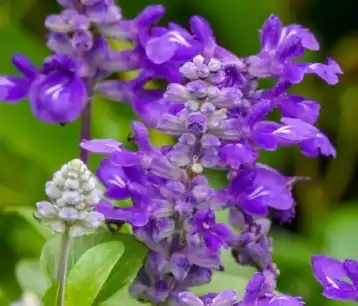
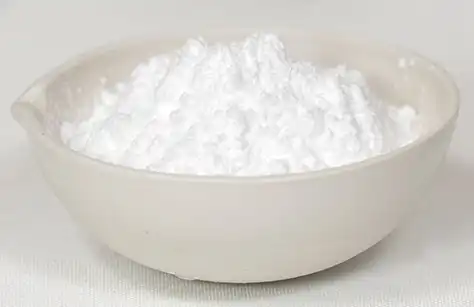
Understanding Ambroxide: Properties and Applications
Before evaluating suppliers, understanding what you're actually purchasing proves essential. Ambroxide exists as a white crystalline powder with a melting point between 74°C and 77°C. The molecule's proper chemical designation is (-)-Ambroxide, with CAS number 6790-58-5.
Olfactory Characteristics
Warm amber tones, dry woody tones, and light tobacco undertones make up the scent character. People who make perfumes love its "radiant" quality, which makes other ingredients stand out while adding depth and life. Unlike harsh fixatives, Ambroxide has a velvety smooth effect that makes it more compatible with skin. Molecular perfumery has really welcomed this aroma chemical. Ambroxide's ability to make strong smells from simple structures is shown in compositions made with only one ingredient or simple recipes.
Technical Specifications
Gas chromatography analysis is usually used to check for purity levels that need at least 99% content. It is very important to know the isomeric profile because only the (-)-isomer can smell, while the (+)-isomer has no smell. Impurity profiles must not include contaminants with bad smells, such as gamma-dihydroionone. Formulation compatibility is based on how well the ingredients dissolve in water. It doesn't dissolve in water, but it does dissolve very well in ethanol, dipropylene glycol, and diethyl phthalate. This profile works well with perfumes that are based on alcohol, fragrance compounds that are based on oil, and different makeup bases. Stability is a big plus. The chemical doesn't break down or change colour when it's exposed to alkaline conditions in soap formulations, acidic conditions in personal care products, or changes in temperature during processing.
Global Market Dynamics: Supply and Demand Analysis
The Ambroxide aroma chemical market has experienced steady growth, driven by expanding middle-class consumers in emerging markets, premiumization trends in developed markets, and accelerating shifts toward natural and sustainable ingredients.
Regional Supply Characteristics
Manufacturing concentration has traditionally centered in Europe, where established fragrance houses developed early synthesis routes. French and German chemical companies pioneered commercial production. However, the past fifteen years have witnessed significant expansion in Asian manufacturing capabilities, particularly in specialized fine chemical zones. These newer production facilities often employ cutting-edge green chemistry approaches. Semi-synthesis from Sclareol extracted from Clary Sage (Salvia sclarea) has become increasingly refined. Emerging bio-fermentation technologies promise even more sustainable production methods that reduce agricultural input requirements. North American production remains limited but focused on ultra-high purity grades targeting premium segments. Strict environmental regulations have encouraged investment in closed-loop systems and waste minimization.
Demand Patterns Across Industries
The fine fragrance segment consumes significant volumes despite high per-unit pricing. Perfume houses prioritize quality over cost, seeking suppliers that guarantee batch-to-batch consistency and provide extensive technical support. Decision-makers typically include perfumers, fragrance R&D teams, and specialized procurement managers. Functional fragrance represents the largest volume segment. Cost sensitivity increases here, though quality cannot drop below threshold standards. Stability during processing and compatibility with surfactant systems become critical selection criteria. Food technologists and product development teams drive specifications. Personal care manufacturers balance quality and cost considerations. They prioritize suppliers offering flexible packaging options, reasonable minimum order quantities, and regulatory documentation suites. Cosmetic chemists and formulation scientists evaluate technical performance. Specialty applications like tobacco flavoring demand food-grade certifications and specialized Ambroxide Supplier purity profiles. These niche markets often accept premium pricing for guaranteed compliance and supply security.
Comparing Sourcing Channels: Finding Your Optimal Path
Multiple pathways exist for purchasing Ambroxide fragrance compounds. Each channel offers distinct advantages and disadvantages depending on your specific requirements, volume needs, technical capabilities, and risk tolerance.
Direct Manufacturer Relationships
Purchasing directly from chemical manufacturers typically provides the best pricing structure. Eliminating intermediary markups significantly reduces costs, especially at higher volumes. Technical support tends to be most comprehensive when working with production facilities—access to chemists, formulation laboratories, and pilot-scale testing capabilities. Quality control traceability reaches its peak with direct relationships. Batch documentation originates at the source. Custom synthesis becomes possible. Long-term supply agreements secure pricing and availability. However, manufacturers typically impose substantial minimum order quantities, often multiple drums representing several hundred kilograms. Smaller brands or companies conducting initial trials may find these volumes prohibitive. Payment terms may require letters of credit or significant deposits. Communication can occasionally prove challenging when dealing with facilities lacking extensive export experience.
Specialized Fragrance Raw Material Distributors
Regional distributors focusing specifically on fragrance and flavor chemicals offer valuable middle-ground options. These companies maintain relationships with multiple manufacturers, providing product selection without requiring massive volumes per ingredient. Minimum order quantities decrease substantially—often to single-drum purchases. Local inventory availability eliminates international shipping delays. Payment terms become more flexible, sometimes offering net-30 or net-60 arrangements. Customer service typically operates in local languages during compatible business hours. Pricing naturally includes distribution markups, increasing costs compared to direct manufacturer purchases. Product selection remains limited to the distributor's chosen portfolio. Technical support quality varies widely between distributors, ranging from basic product information to sophisticated formulation assistance.
Sourcing Channel Comparison
| Channel Type | Advantages | Disadvantages | Best For |
|---|---|---|---|
| Direct Manufacturer | Lowest pricing, best technical support, quality traceability | High MOQs, complex logistics, and payment terms | Established brands with volume needs |
| Specialty Distributor | Moderate MOQs, local inventory, flexible terms | Higher pricing, limited selection | Mid-sized companies, regional buyers |
| B2B Platform | Wide supplier access, competitive pricing, transaction protection | Quality verification challenges, variable support | Price-conscious buyers with quality assessment capabilities |
| Trading Company | Simplified logistics, regulatory handling, consolidated shipping | Limited transparency, multiple margin layers | Buyers lacking international trade experience |
| E-commerce Platform | Tiny purchase quantities, convenient ordering, accessible pricing | Authenticity concerns, minimal support, incomplete documentation | Laboratory-scale trials, research applications |
Practical Guidance: Screening and Verifying Suppliers
Identifying potential suppliers represents just the initial step. Rigorous evaluation prevents costly mistakes, product failures, and supply disruptions. A systematic screening process protects your brand reputation and operational continuity.
Essential Documentation Review
Ask for detailed technical data sheets that list the chemical specs, physical properties, how to handle the material, and how to store it. Check the melting point ranges, purity percentages, and solubility properties given against standards in the business. Certificates of analysis for recent production runs show how tests were actually done. Check that the testing methods used are in line with accepted guidelines. For example, gas chromatography can be used to check for purity, trained groups can check the smell and taste, and ICH guidelines should be followed for residual solvent analysis. Instead of general claims, batch-specific data shows real quality control. Regulatory approvals are very important. REACH pre-registration or registration paperwork lets goods be sold in the European Union. Kosher and Halal licenses let you sell to certain groups of people. Systematic process controls are shown by ISO licenses, especially ISO 9001 for quality management. GHS rules say that safety data sheets must be formatted in a certain way. Manufacturing permits and business registrations show that a business is legally operating. Independent assessments of facilities can be found in audit papers from third-party groups like SGS or Bureau Veritas.
Sample Testing Protocols
Never make a big buy without first testing a sample carefully. Get samples from at least three possible Ambroxide Supplier providers so you can compare them. Tell us how many samples you want. Usually, 50 to 100 grams is enough for useful lab testing and formulation trials. Do an independent third-party analysis even if the certificates of analysis from the dealer look good. Gas chromatography-mass spectrometry shows amounts of purity and profiles of impurities. Testing the melting point proves the physical properties. Moisture content research finds problems with how the goods are handled or stored. Expert review by perfumers or flavour chemists in terms of organoleptic properties is essential. Chemical clarity isn't the only thing that shows how good something is. Even if a smell meets purity standards on paper, it can still have unpleasant side effects from small amounts of contaminants. Stability testing mimics how things will be used in real life. Samples should be dissolved in typical solvents in the amounts that are wanted. During temperature changes, keep an eye out for precipitation or crystallisation. Check how stable the colour is over time. Check to see if it works with common formulation chemicals.
Why Angelbio Stands Out as Your Ambroxide Wholesale Supplier Partner
To handle the difficulties of global sourcing, you need a partner that combines technical excellence, factory honesty, and service that is focused on the customer. Angelbio combines unique benefits that solve important problems that fragrance workers all over the world are having. Angelbio is a company that combines the best academic research with business manufacturing. It was started when Angel Holding Group and the Institute of Life and Health Research at Xi'an Jiaotong University made a joint investment. 18 years of independent research and development have given the company a lot of technical know-how in the areas of making natural ingredients, cleaning them, and keeping them stable. We use advanced semi-synthesis routes from botanical sources to make Ambroxide. This makes sure that our supply lines are sustainable and meet clean-label standards. As part of strict quality control procedures, each batch is tested using gas chromatography, an organoleptic panel, and stability checks are made across a range of temperatures and formulation conditions. Full sets of regulatory paperwork that include REACH compliance for European customers, full safety data sheets, and certifications that are specific to the product help companies get into global markets.
Conclusion
Sourcing high-quality Ambroxide demands strategic thinking beyond simple price comparisons. The global landscape offers diverse channels—from direct manufacturer relationships providing optimal pricing and technical depth, to specialized distributors offering flexibility and convenience, to digital platforms expanding supplier access. Each pathway presents distinct trade-offs between cost, volume requirements, technical support, and verification challenges. Rigorous supplier screening protects against quality failures and supply disruptions. Documentation review, sample testing, facility assessment, and communication evaluation create comprehensive pictures of supplier capabilities. Avoiding common pitfalls like lowest-cost decisions or inadequate quality dispute procedures prevents expensive problems downstream. The fragrance industry's evolution toward sustainability, transparency, and technical sophistication demands suppliers who share these values while delivering consistent quality. Partnership approaches that emphasize long-term collaboration over transactional relationships generate mutual success as markets evolve and requirements advance.
FAQ
1. What is the typical lead time when ordering from an Ambroxide chemical manufacturer?
Production lead times vary based on current inventory status and order volume. Stock materials ship within 5-7 business days after payment confirmation. Custom synthesis or large volume orders may require 3-4 weeks for production scheduling, manufacturing, quality testing, and packaging. International shipping adds 7-21 days, depending on destination and freight method. Established relationships with forecasted demand patterns enable suppliers to maintain strategic inventory, significantly reducing lead times.
2. How can I verify the purity of Ambroxide samples?
Independent third-party testing provides the most reliable verification. Gas chromatography with mass spectrometry detection accurately measures purity levels and identifies impurities. Reputable testing laboratories include SGS, Intertek, and specialized flavor-fragrance analysis facilities. Request that testing specifically identifies isomeric ratios, confirming the dominance of olfactorily active (-)-Ambroxide. Melting point testing offers a simple preliminary assessment—values between 74°C and 77°C indicate appropriate quality. Organoleptic evaluation by trained perfumers detects subtle off-notes that chemical analysis might overlook.
3. What minimum order quantities should I expect from different supplier types?
Direct manufacturers typically require 50-100 kg minimum orders, often representing multiple drums. Some specialized producers accept smaller initial orders of 25 kg for qualification purposes with established customers. Regional distributors reduce minimums substantially, often to single drum quantities of 5-25 kg. B2B platforms and trading companies may offer 1-5 kg minimums, though pricing becomes less competitive. E-commerce chemical suppliers sometimes provide 100-500 gram quantities for laboratory trials at premium per-kilogram rates.
4. Does Ambroxide face regulatory restrictions in major markets?
Ambroxide enjoys a generally favorable regulatory status across major markets. The International Fragrance Association (IFRA) imposes no usage restrictions, allowing perfumers' formulation freedom. However, concentrations typically remain between 0.5% and 5% for optimal performance. European Union REACH registration requirements apply to commercial sale volumes, necessitating supplier compliance documentation. United States FDA classification as a fragrance ingredient allows use in cosmetics and personal care products. Food-grade applications require FEMA GRAS status (FEMA 3471) compliance for flavoring uses. Individual product categories may impose specific labeling or concentration requirements independent of the ingredient itself.
Partner with a Trusted Ambroxide powder Supplier
Angelbio stands ready to support your formulation goals with pharmaceutical-grade Ambroxide powder backed by rigorous quality systems and responsive technical service. Our manufacturing expertise, regulatory knowledge, and commitment to supply reliability make us the preferred ingredient supplier for nutraceutical innovators, cosmetic formulators, and functional food developers worldwide. Connect with our technical team to discuss your specific application requirements, request samples, or obtain detailed quotations. Reach us at angel@angelbiology.com to discover how our Ambroxide Supplier botanical extract solutions can enhance your product performance and accelerate your market success.
References
1. Bauer, K., Garbe, D., & Surburg, H. (2018). Common Fragrance and Flavor Materials: Preparation, Properties and Uses (6th ed.). Wiley-VCH.
2. Sell, C. S. (2019). The Chemistry of Fragrances: From Perfumer to Consumer (2nd ed.). Royal Society of Chemistry.
3. Pybus, D. H., & Sell, C. S. (Eds.). (2016). The Chemistry of Fragrances: From Natural Products to Perfumery (2nd ed.). Royal Society of Chemistry.
4. Kraft, P., & Bajgrowicz, J. A. (2014). "Amber - The Perfumery Material." Chemistry & Biodiversity, 11(11), 1728-1814.
5. Surburg, H., & Panten, J. (2016). Common Fragrance and Flavor Materials: Preparation and Uses (6th ed.). Wiley-VCH Verlag.
6. Williams, D. G. (2017). The Chemistry of Essential Oils: An Introduction for Aromatherapists, Beauticians, Retailers and Students. Micelle Press.
YOU MAY LIKE
 VIEW MOREErgothioneine Extract Powder
 VIEW MOREPolygonum Cuspidatum Extract Powder
 VIEW MOREBulk Polygonum Cuspidatum Extract Powder
 VIEW MOREAcerola Cherry Extract Powder
 VIEW MOREBlack Elderberry Extract Powder
 VIEW MOREL-glutathione Powder
 VIEW MOREWhite Willow Bark Extract Salicin
 VIEW MOREPure Melatonin Powder