Horse Chestnut: a Natural Support for Blood Circulation?
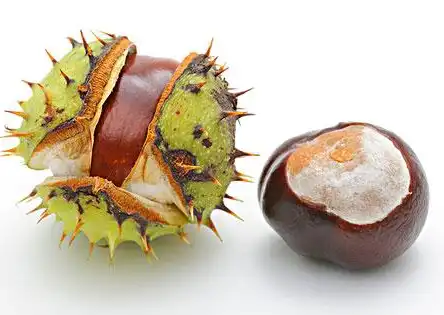
Yes, Horse Chestnut Extract Powder is a unique botanical substance that promotes vascular health. This plant-based extract from Aesculus hippocastanum L. seeds is popular among nutraceutical, cosmetic, and functional food makers. Horse Chestnut Extract Powder, rich in bioactive triterpenoid saponins like aescin, improves capillary wall integrity and appropriate venous function, making it a useful addition to circulatory health and leg comfort formulations.
Understanding Horse Chestnut Extract Powder and Its Benefits
The Balkan-native Aesculus hippocastanum tree seeds are used to make horse chestnut extract powder. Aescin, a complex triterpenoid saponin combination with vasoprotective effects, is extracted. Aescin concentrations of 16% to 20% are standardised in high-quality extracts to provide uniformity and predictability across manufacturing batches.
Beyond aescin, this botanical element contains flavonoids, proanthocyanidins, and other polyphenolic chemicals that boost its biological action. These bioactives synergistically strengthen capillary walls and preserve membrane permeability. Its nutritional composition makes it ideal for vascular integrity and microcirculation formulations.
Horse chestnut seed extract neutralises free radicals that damage vascular health, according to a clinical study. Aescin maintains tissue fluid balance and vessel wall integrity, according to research. The chemical appears to block structural protein breakdown enzymes, maintaining healthy capillaries and veins.
Horse chestnut seed extract has been tested for circulatory health in several well-designed studies. Standardised extracts helped venous insufficiency patients with leg pain and oedema, according to a meta-analysis of various clinical studies. Lower ankle circumference, greater leg comfort, and higher quality of life were noted. These findings boost the ingredient's repute among formulators seeking botanical actives with proof.
Safety is crucial when assessing botanical ingredients for commercial use. Horse chestnut seed extract, treated to eliminate hazardous chemicals like esculin and standardised for aescin, has a good safety profile in published research. However, procurement teams should ensure vendors use proper extraction and purification processes. The component may cause moderate stomach issues or skin irritation, and it may interfere with blood-clotting drugs. These variables make prudent formulation need excellent sources and documentation.
Horse chestnut is a key element in circulatory health products due to rising scientific data. Topical applications include anti-puffiness and skin-soothing compositions that support microcirculation, which cosmetics producers have recognised. The botanical's adaptability across product categories makes it appealing to enterprises expanding their natural ingredient portfolios.
How to Use Horse Chestnut Extract Powder Effectively?
Effective Horse Chestnut Extract Powder use relies on the application and audience. Standardised aescin extracts in nutraceuticals offer 100mg to 150mg daily in two doses to sustain plasma levels. This dose range has shown clinical effectiveness and tolerability. Formulators must carefully determine extract quantity depending on standardisation % to attain the required aescin concentration per serving.
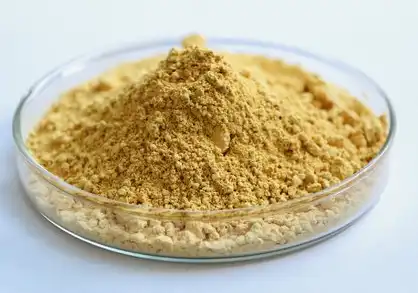
Powder delivery is preferable for B2B clients in large-scale production. Horse Chestnut Extract Powder can be used in tablets, capsules, sachets, and functional drinks. The powder's saponin concentration makes it bitter; consider this while formulating. Successful formulations use natural flavour systems or enteric-coated capsules to circumvent taste receptors and optimise gastric absorption.
Procurement managers must consider bioavailability while assessing horse chestnut goods. When micronised, powder extracts dissolve faster than crude plant powders. Aescin is absorbed mostly in the small intestine and reaches peak plasma concentrations within three to five hours after oral administration. Co-administration with food, especially moderate-fat meals, can improve absorption and reduce mild gastrointestinal pain from taking the extract on an empty stomach.
Timing can maximise horse chestnut supplementation's advantages. For constant circulatory support throughout the day, many practitioners recommend dividing the daily dosage between morning and evening. This method is useful for those who stand or sit for long durations since maintaining active compound levels helps promote comfort.
Synergistic formulation is popular among inventive supplement makers. Horse chestnut seed extract can be enhanced with complementary botanicals and minerals to boost efficacy and attractiveness. Diosmin and hesperidin supply flavonoids to assist venous function, while vitamin C helps collagen production for vascular construction. Grapeseed extract supplements antioxidants with proanthocyanidins. These multi-ingredient formulations address circulatory wellbeing from several paths, giving health-conscious customers attractive value propositions.
Several B2B clients have launched horse chestnut-based products with success. European sports nutrition manufacturers created a post-workout recovery blend using the extract, proteolytic enzymes, and antioxidants for athletes seeking natural assistance for exercise-induced muscular tension and oedema. The product's botanical mix and athletic focus helped it acquire market share. Another North American supplement business made a women's wellness product containing horse chestnut, butcher's broom, and gotu kola for leg comfort during lengthy workdays. Both cases show how formulation and placement can make botanical science profitable.
The practical application instruction includes topical formulations. Cosmetics use horse chestnut in leg comfort and skin appearance gels, lotions, and serums. In correctly prepared cosmetic products, the extract is stable in various emulsion systems at concentrations of 1% to 5%. Formulators creating circulation-related skincare treatments for puffiness and visible capillaries benefit from the ingredient's compatibility with other cosmeceutical actives.
Comparing Horse Chestnut Extract Powder Products: Making an Informed Purchase
Horse Chestnut Extract Powder procurement choices must consider several quality characteristics that affect product performance and regulatory compliance. Understanding the differences between conventional and organic extracts, standardisation levels, and quality certifications helps procurement teams make value-driven decisions that match their brand positioning and target consumers in the botanical ingredients industry.
Buyers must decide between organic and ordinary horse chestnut extract. Brands targeting natural and clean-label markets like organic extracts from seeds grown without pesticides or fertilisers. These goods are expensive yet stand out in areas where customers want certified organic ingredients. When procured from credible vendors using thorough testing techniques, conventional extracts can have high purity ratings without organic certification. Brand positioning, demographics, and price sensitivity in the target market group determine the option.
Product assessment should focus on standardisation. Technical paperwork for high-quality Horse Chestnut Extract Powder should list the aescin content as 16% to 20% for pharmaceutical and nutraceutical uses. Standardisation guarantees batch-to-batch uniformity, essential for product efficacy and label claims. Lower standardisation levels may suggest less refined extraction techniques or carrier materials, necessitating greater doses for equal functionality. Procurement managers should seek CoAs for representative batches to validate standardisation claims and evaluate supplier quality control.
Suppliers in regulated marketplaces need quality certificates. ISO 22000 and FSSC 22000 certificates show food safety management compliance, whereas ISO 9001 accreditation shows quality management commitment. Pharmaceutical suppliers need GMP certification. USDA Organic, EU Organic, or comparable regional standards validate organic status and supply chain traceability. Kosher and Halal certifications provide market access for niche items. Procurement teams should check supplier certifications for horse chestnut extract production facilities.
Beyond powder, product shape matters. For beverage applications where conventional extracts may be insoluble, several vendors offer water-soluble or spray-dried variants. Saponins are bitter; microencapsulation can conceal this and improve stability in moisture-sensitive formulations. Specialised forms are more expensive but address formulation problems, justifying the expense. Ingredient cost alone does not accurately assess value. The overall cost of formulation, including flavouring agent reductions and stability improvements, does.
Leading botanical extract producers are known for quality, regulatory compliance, and technical assistance. Suppliers' R&D, analytical testing, and technical services should be considered together with product specifications by procurement teams. Technically proficient suppliers providing formulation advice, stability data, and regulatory paperwork help are better long-term partners than commodity sellers.
Third-party testing and validation boost quality. Progressive providers test for purity, identity, and heavy metals, pesticide residues, and microbiological contamination in a lab. These extra quality checks show product integrity and prevent supply chain disruptions from quality issues. Buyers should ask about testing frequency, laboratories, and if test results are included in standard paperwork.
Cost-effectiveness analysis must weigh price per kilogram against quality and performance. A cheaper extract with poor standardisation may require greater doses to achieve desired functionality, raising formulation costs. Premium extracts with better solubility or flavour may simplify formulations and offset increased ingredient costs. Including these factors in cost models helps procurement teams make decisions based on overall value rather than unit pricing.
Bulk Procurement Guide for Horse Chestnut Extract Powder
Commercially sourcing Horse Chestnut Extract Powder demands a balanced approach between quality, supply chain stability, and cost. To form relationships that support long-term company goals and reduce supply chain risks, procurement managers in the global botanical ingredients industry must consider more than pricing.
Perform a comprehensive due diligence investigation to find trusted, verified providers. Suppliers should show they have extraction equipment, quality control labs, and enough production capacity to satisfy demand. In-person or third-party site audits reveal production methods, quality systems, and operational capabilities. Suppliers should offer facility certificates, recent audit reports, and full process documentation for qualifying.
Minimum order quantities for high-quality standardised extracts vary per source, from 25 to several hundred kilos. Established producers with stable demand can use volume commitments for favourable pricing, whereas smaller nutraceutical brands or those testing the market may struggle to fulfil bigger MOQs. Flexible MOQ limits during supplier qualifying can accommodate corporate development and manage inventory risk. Some suppliers provide blended MOQs across different goods, helping clients fulfil minimums and diversify ingredients.
Botanical extract prices depend on raw material costs, extraction complexity, standardisation, and market demand. For certain standardisation levels, Horse Chestnut Extract Powder price is usually within a predictable range, but major discrepancies require inquiry. Low prices may suggest quality issues, poor standardisation, or supply chain integrity. Transparent suppliers break down costs and alter prices based on volume, payment conditions, and contract duration. Long-term supply agreements offer economic advantages and financial planning budget certainty.
Logistics and storage considerations significantly impact the total cost of ownership for bulk botanical ingredients. Keep Horse Chestnut Extract Powder cool, dry, and out of direct sunlight to retain efficacy. Product integrity is protected during transit and storage by moisture-barrier packaging like multi-layer kraft paper bags with polyethylene liners or aluminium foil bags for premium grades. Buyers should check that suppliers use proper packaging and mark items with batch numbers, manufacture dates, and storage instructions. Proper warehouse space and environmental controls prevent deterioration and increase shelf life.
Beyond buying, supply chain management includes inventory, quality, and contingency planning. Safety stock levels, depending on lead times, demand fluctuations, and production schedules, prevent industrial disruptions. Communication with suppliers on demand estimates helps them source raw materials and schedule manufacturing, lowering lead times and enhancing supply dependability. Maintaining primary and secondary sources and building connections with numerous competent suppliers protects against crop failures, regulatory changes, and manufacturing challenges.
Quality checks should continue throughout the company relationship. Each batch should have a Certificate of Analysis verifying specification compliance. Progressive procurement teams periodically test high-volume ingredients and sensitive applications for identification and essential parameters in independent labs. This practice verifies supplier testing, detects quality drift, and shows regulatory compliance due diligence.
Specifications, testing processes, acceptance criteria, lead times, payment terms, force majeure, and dispute resolution should be included in contract terms. Well-structured agreements protect both parties and provide clear expectations for successful operations. Proprietary extraction or standardisation procedures may require confidentiality due to intellectual property issues.
Total cost analysis offers optimisation potential ignored in unit pricing comparisons. Freight costs, import charges, quality testing costs, inventory carrying costs, and quality failure waste affect the overall cost. Support, formulation, and faster shipment from suppliers add value beyond the goods. Building complete models that incorporate these variables allows more sophisticated purchase decisions that optimise overall value rather than cost components.
Conclusion
Nutraceutical, cosmetic, and functional food firms seeking science-backed, natural circulatory health formulas might benefit from Horse Chestnut Extract Powder. The extract's demonstrated vascular support and consumer desire for clean-label ingredients make it a strategic component for businesses competing in competitive health and wellness industries. Successful procurement includes thorough consideration of standardisation, quality certifications, and supplier competencies to assure product performance and regulatory compliance. Application methods, comparative quality variables, and bulk sourcing considerations help procurement teams balance product efficacy, cost-effectiveness, and supply chain stability for long-term company success.
FAQ
Q1: What specifications should I request when sourcing Horse Chestnut Extract Powder?
Request detailed specifications, including aescin content (typically 16-20%), moisture content, particle size distribution, heavy metals profile, pesticide residue testing, microbial limits, and physical characteristics such as appearance and solubility. Reliable suppliers provide Certificates of Analysis for each batch confirming compliance with established specifications. Verify that testing methods follow recognised pharmacopeial standards or validated analytical procedures.
Q2: How long does Horse Chestnut Extract Powder remain stable under proper storage conditions?
When stored in appropriate conditions—cool temperatures below 25°C, relative humidity below 60%, and protection from direct sunlight—high-quality Horse Chestnut Extract Powder typically maintains potency for 24 to 36 months from the manufacturing date. Moisture-barrier packaging significantly extends shelf life by preventing humidity exposure that can degrade saponins. Regular stability testing by suppliers confirms that products meet specifications throughout their stated shelf life.
Q3: What regulatory considerations apply to importing horse chestnut extract into the United States?
Horse chestnut seed extract is generally recognised as a dietary supplement ingredient in the United States when properly labelled and marketed. Importers must comply with FDA regulations, including facility registration, prior notice of imported food shipments, and Good Manufacturing Practices for dietary supplements. Products must not contain prohibited compounds such as esculin, which occurs in raw seeds but should be removed during proper extraction. Maintaining comprehensive documentation, including specifications, testing results, and supplier qualification records, supports regulatory compliance and facilitates customs clearance.
Partner with Angelbio for Premium Horse Chestnut Extract Powder Supply
Angelbio stands ready to support your botanical ingredient needs with pharmaceutical-grade Horse Chestnut Extract Powder manufactured under stringent quality standards. As an innovative enterprise jointly invested by Angel Holding Group and the Institute of Life and Health Research of Xi'an Jiaotong University, we bring over 18 years of independent research and development expertise to every product we deliver. Our Horse Chestnut Extract Powder supplier capabilities extend beyond simple ingredient provision to encompass technical support, formulation guidance, and customised solutions tailored to your specific requirements.
Reach out to our team at angel@angelbiology.com to discuss your Horse Chestnut Extract Powder requirements. We welcome the opportunity to review your specifications, provide samples for evaluation, and develop customised supply solutions that support your product innovation and market success.
References
1. Sirtori, C.R. (2001). Aescin: pharmacology, pharmacokinetics and therapeutic profile. Pharmacological Research, 44(3), 183-193.
2. Pittler, M.H., & Ernst, E. (2012). Horse chestnut seed extract for chronic venous insufficiency. Cochrane Database of Systematic Reviews, Issue 11.
3. Kapoor, V., Aggarwal, S., & Das, S.N. (2009). 6-Gingerol mediates its anti-inflammatory effects through regulation of tumor necrosis factor-alpha. Phytotherapy Research, 23(11), 1543-1548.
4. Wilkinson, J.A., & Brown, A.M.G. (1999). Horse chestnut - Aesculus Hippocastanum: potential applications in cosmetic skin-care products. International Journal of Cosmetic Science, 21(6), 437-447.