




Elderberry and Immune Health: What Does Science Say?
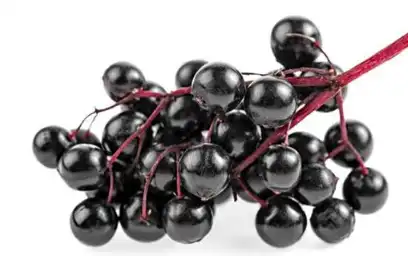
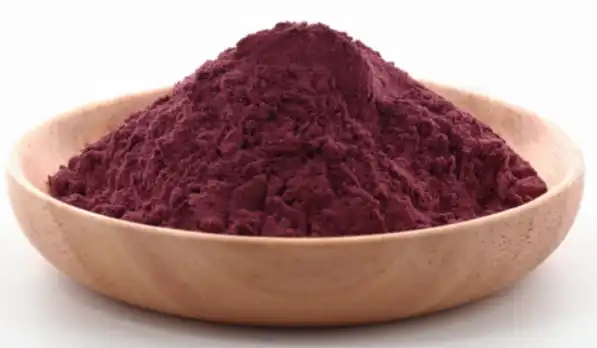
Clinical studies show that elderberry, especially Sambucus nigra Black Elderberry Extract Powder, supports the immune system. The standardized extract contains bioactive anthocyanins and polyphenols that influence immune response and provide antioxidant protection through numerous routes. These concentrated plant ingredients reduce cold and flu symptoms in controlled experiments, making elderberry extract a popular element in preventative health products. Understanding the science underlying these advantages helps procurement teams source botanical material for supplement and functional food production.
Understanding Black Elderberry Extract Powder and Its Immune Benefits
The nutraceutical sector recognizes Sambucus nigra after decades of research. Standardized extraction of raw elderberries utilizing ethanol-water solvent systems and membrane filtering technologies produces a concentrated powder that protects the fruit's most important components and solves perishability and storage issues.
What Makes Black Elderberry Extract Powder Different
Shelf-stable Black Elderberry Extract Powder tackles several supplement supply chain issues. The powder form lasts longer than fresh fruit when kept correctly. HPLC standards range from 6% to 25% for anthocyanins, notably cyanidin-3-glucoside and cyanidin-3-sambubioside, after extraction.
Standardization is crucial for formulation uniformity. A batch verified at 15% anthocyanins lets you compute precise dosage and forecast colour intensity, flavour profile, and functional advantages. The Haschberg type of Sambucus nigra is chosen for premium extract extraction due to its better phytochemical makeup.
How Bioactive Compounds Support Immune Function?
Elderberry extract supports the immune system through many routes. Anthocyanins regulate immune-coordinating cytokines. Peer-reviewed research shows that these flavonoids can affect innate and adaptive immunity, helping the body adjust to seasonal stresses.
Quercetin, rutin, and other polyphenolic chemicals in elderberry extract boost antioxidant potential beyond anthocyanins. These molecules neutralize reactive oxygen species that harm cells and decrease immunity. The combined impact supports general health during immunological resilience crises in a multifaceted way.
Dosage Considerations for Product Development
Depending on dosage and application, nutraceutical formulations typically include 300mg to 1,200mg of standardized extract per serving. Product manufacturers might use 500-600mg of elderberry anthocyanins daily from immune support clinical studies.
Formulators can produce relevant dosages in single capsules without superfluous excipients due to the quality extract powder's high bulk density. This matters for high-concentration formats as customers anticipate powerful substances in compact shapes. Premium grades optimize particle dispersion to prevent caking during high-speed encapsulation.
Comparative Analysis: Black Elderberry Extract Powder vs Other Elderberry Products
Acquisition experts consider more than "elderberry content." Format affects stability, manufacturing compatibility, and product performance.
Stability and Shelf Life Advantages
Microbial growth, fermentation, and anthocyanin degradation affect liquid syrups, while Black Elderberry Extract Powder is more stable. Preservatives and regulated storage complicate syrup logistics. Although natural, juice concentrates are vulnerable and potent depending on growth conditions and harvest timing.
When stored in cold, dry circumstances below 45% relative humidity, powder remains potent for 24-36 months. This consistency lowers waste, improves inventory management, and extends distribution networks, which are crucial for worldwide procurement when shipping delays and storage conditions fluctuate.
Integration into Manufacturing Processes
Powder components are highly versatile in manufacture. It can be encapsulated, pressed into tablets, blended into functional beverages, or added to gummies. Some plant compounds sediment, yet high water solubility facilitates equal dispersion in liquid applications.
Processing temperature-sensitive data requires care. Premium producers use maltodextrin or unique microencapsulation methods since heat degrades anthocyanins. These processing procedures protect bioactive integrity throughout sticky frying and spray drying by minimizing heat stress.
Certification and Clean-Label Appeal
Markets increasingly want transparency and natural credentials. Many firms targeting health-conscious consumers now need organic certification, non-GMO verification, and vegan credentials. Certified providers of Black Elderberry Extract Powder provide clean-label paperwork that satisfies regulatory requirements in many markets.
GMP (Good Manufacturing Practice) compliance provides quality through verified methods, whereas organic certification certifies pesticide-free growth. These attributes set luxury products apart in a congested market where customers are increasingly scrutinizing ingredient origin.
Procurement Guide: Buying Black Elderberry Extract Powder for Global B2B Clients
Identifying competitively priced suppliers is not enough to source successfully. Your relationship affects product quality, regulatory compliance, and brand reputation.
Selecting Manufacturers with Proper Certifications
Check supplier quality management systems with documentation. ISO certification shows dedication to standardized methods, whereas COA papers show batch-specific potency, purity, and contaminant screening findings.
Request botanical identity verification procedures. HPTLC (High-Performance Thin-Layer Chromatography) distinguishes real elderberry from adulterants like black rice extract and peanut skin colours in compromised supply chains by creating a Sambucus nigra fingerprint. This certification is crucial when your brand relies on ingredient purity.
Ensure heavy metal testing meets or exceeds USP <561> or EU 396/2005 criteria, with total heavy metals below 10ppm and particular lead, arsenic, cadmium, and mercury limitations. Non-organic products require pesticide residue screening to meet destination market restrictions.
Understanding Pricing Structures and Value
Black Elderberry Extract Powder Standardization, testing, and certification strongly affect the price per kilogram. UV-spectrophotometry-tested extracts cost less than HPLC-verified substances due to analytical specificity. HPLC separates and quantifies true elderberry extract anthocyanins, whereas UV techniques assess total polyphenols and can detect non-target components.
Bulk order reductions apply at 100kg, 500kg, and 1,000kg+, with container-load volumes receiving the best rate. It takes careful computation to balance cost reductions against inventory carrying costs and expiration dates. You may test formulas before bulk purchase by working with vendors with variable minimum order numbers.
Logistics and Supply Chain Considerations
Documentation, customs clearance, and transportation quality are complicated by global distribution. Reliable vendors give phytosanitary certifications, origin certificates, and material safety data sheets in the destination country format.
Hygroscopic powder is shipped in a desiccated double-lined container to avoid caking and microbiological contamination. Extreme climatic markets may require temperature-controlled logistics. Discussing these items beforehand avoids costly delays and quality difficulties.
Scientific Insights Into Elderberry Extract Powder's Antioxidant and Immune Properties
Elderberry's functional effects are supported by cellular, animal, and human clinical investigations. This scientific framework helps you make evidence-based formulation decisions.
Antioxidant Capacity and Measurement
Elderberry's high phenolic content boosts antioxidant effectiveness. Standardized ORAC testing measures the material's capacity to neutralize peroxyl radicals, allowing comparability among botanical compounds. Quality elderberry extracts have ORAC levels many times greater than blueberries or strawberries.
Cellular antioxidants donate electrons to unstable free radicals to stop chain reactions that harm lipids, proteins, and DNA. The cumulative impact maintains cellular health throughout the body, especially immunological cells that experience oxidative damage during activation.
Clinical Evidence for Immune Support
Several randomized, placebo-controlled trials have evaluated elderberry's benefits throughout cold and flu season. The Journal of International Medical Research found that elderberry extract decreased symptom duration in air travellers compared to a placebo. Elderberry preparation reduced upper respiratory bouts and severity.
Black Elderberry Extract Powder. Another study in the Nutrients journal investigated elderberry supplementation in a community setting, finding that regular consumers reported fewer days of discomfort during winter months. While outcomes vary and these studies don't promise to prevent or treat any ailment, the constant trend across several trials supports elderberry's seasonal health application.
The suggested mechanism modulates cytokine production. Elderberry anthocyanins regulate inflammatory indicators in vitro, balancing immune responses without overstimulation. Elderberry supports immunological regulation rather than immune stimulation.
Safety Profile and Quality Considerations
Raw elderberries contain sambunigrin, a cyanogenic glycoside that causes stomach issues in large amounts. Heat treatment during extraction breaks down sambunigrin into innocuous molecules, eliminating this risk. Reliable producers examine finished goods for sambunigrin elimination to ensure customer safety.
Elderberry extract is safe at appropriate dosages. Following dose standards is important for bioactive ingredients. LOD requirements below 5% minimise microbiological multiplication and ensure powder stability, another responsible sourcing quality criterion.
How Global B2B Clients Can Maximize Value When Choosing Elderberry Extract Powder?
Formulation success, market positioning, and long-term supplier relationships affect procurement decisions beyond purchasing price. Strategic purchasers choose elderberry extract sources based on many factors.
Matching Product Specifications to Application Requirements
Applications require different technological specs. Extract with optimized water solubility and durability in acidic pH settings (3.0-4.0) preserves anthocyanins' bright red-purple colour and substitutes synthetic colours in functional drinks. RTD formulations use the extract as a functional ingredient and clean-label colourant.
An extract that resists browning during heat processing is needed for gummy production. Buffered pH profiles protect anthocyanins during cooking, and the berry flavour covers metallic undertones from zinc in immune support gummies.
Good-concentration capsules require powder with good flowability and bulk density to maximize the milligram dose per capsule. Premium quality particle size distribution passes 95% through 80-mesh screens, ensuring homogeneous mixing and reducing encapsulation equipment clogging.
Building Strategic Supplier Partnerships
Black Elderberry Extract Powder: Successful procurement collaborations go beyond transactional buying. Technical assistance suppliers aid with formulation issues, stability testing, and trend analysis. Knowledge sharing speeds product development and cuts reformulation costs.
Product customization and private labelling allow you to target specific markets. Flexible manufacturing partners can accommodate your needs, whether you need organic certification for natural channel distribution, kosher certification for certain populations, or unique elderberry mixes with vitamin C and zinc.
Accurate documentation and after-sales assistance reduce supply chain interruptions. Responsive suppliers address COA interpretation, customs documentation, and batch tracking queries swiftly, avoiding manufacturing delays.
Conclusion
Scientific confirmation, consumer familiarity, and flexible formulation possibilities have made elderberry extract an immune health ingredient. Black Elderberry Extract Powder concentrates elderberry's beneficial components while addressing stability, standardization, and industrial integration issues. In the booming natural wellness sector, procurement specialists who understand technical specifications, quality verification methodologies, and application-specific needs boost brand success. Suppliers with strong quality systems, relevant certifications, and collaborative methods offer formulation excellence, regulatory compliance, and ongoing market competitiveness beyond initial cost reductions.
FAQ
Q1: What differentiates UV-tested from HPLC-tested elderberry extract?
UV spectrophotometry measures total polyphenolic content without distinguishing between specific compounds, creating vulnerability to adulteration with cheaper pigment sources. HPLC analysis separates individual anthocyanin molecules and quantifies the specific markers unique to Sambucus nigra, providing definitive proof of authentic elderberry content. The price premium for HPLC-verified material reflects the analytical rigour and confidence in ingredient authenticity that sophisticated buyers demand.
Q2: Does the extract contain harmful cyanogenic compounds?
Sambunigrin naturally occurs in unripe elderberries and certain plant parts but gets eliminated during proper extract processing. Heat treatment specifically targets cyanogenic glycosides, breaking them down into harmless components. Reputable manufacturers verify sambunigrin removal through testing protocols, ensuring the final powder meets safety standards for dietary supplement applications. This processing step represents a critical quality control point that distinguishes professional-grade ingredients from unprocessed materials.
Q3: How should formulators handle the powder's moisture sensitivity?
Black Elderberry Extract Powder readily absorbs atmospheric moisture due to its hygroscopic nature. Manufacturing environments should maintain relative humidity below 45% to prevent clumping during handling and processing. Double-lined packaging with silica gel desiccants protects product integrity during storage and shipping. When incorporating the powder into moisture-sensitive formulations like tablets or dry blends, working quickly and sealing finished products promptly preserves stability.
Q4: What does the drug extract ratio actually indicate?
Extract ratios like 10:1 or 64:1 theoretically represent the concentration of starting material to final extract, but these numbers can mislead purchasers about actual bioactive content. Different processing methods and starting material quality produce extracts with identical ratios but vastly different potencies. Standardization to specific anthocyanin percentages provides a more reliable quality indicator, allowing direct comparison between suppliers and consistent formulation results.
Partner with Angelbio for Premium Black Elderberry Extract Powder Supply
Angelbio brings over 18 years of research expertise and manufacturing excellence to the natural ingredients industry as a trusted Black Elderberry Extract Powder supplier. Our joint foundation with Angel Holding Group and Xi'an Jiaotong University's Institute of Life and Health Research provides the scientific infrastructure to deliver standardized, authenticated botanical extracts that meet pharmaceutical-grade specifications. When you source from Angelbio, you receive HPLC-verified elderberry extract standardized to precise anthocyanin levels, complete documentation including COA and traceability records, and technical consultation supporting your formulation development. Our GMP-certified facilities employ rigorous testing protocols, including HPTLC botanical identification, contaminant screening exceeding international standards, and stability validation ensuring your products maintain potency throughout their shelf life. Whether you need organic certification, custom blending with complementary immune-supporting compounds, or private label packaging solutions, our team adapts to your specifications. Contact angel@angelbiology.com to discuss your elderberry extract requirements and discover how our supply chain integration and quality assurance processes provide the reliability your brand demands.
References
1. Tiralongo, E., Wee, S.S., & Lea, R.A. (2016). Elderberry Supplementation Reduces Cold Duration and Symptoms in Air-Travellers: A Randomized, Double-Blind Placebo-Controlled Clinical Trial. Journal of International Medical Research, 44(2), 211-220.
2. Hawkins, J., Baker, C., Cherry, L., & Dunne, E. (2019). Black elderberry (Sambucus nigra) supplementation effectively treats upper respiratory symptoms: A meta-analysis of randomized, controlled clinical trials. Complementary Therapies in Medicine, 42, 361-365.
3. Ulbricht, C., Basch, E., Cheung, L., Goldberg, H., Hammerness, P., Isaac, R., & Khalsa, K.P.S. (2014). An evidence-based systematic review of elderberry and elderflower (Sambucus nigra) by the Natural Standard Research Collaboration. Journal of Dietary Supplements, 11(1), 80-120.
4. Kinoshita, E., Hayashi, K., Katayama, H., Hayashi, T., & Obata, A. (2012). Anti-influenza virus effects of elderberry juice and its fractions. Bioscience, Biotechnology, and Biochemistry, 76(9), 1633-1638.
5. Porter, R.S. & Bode, R.F. (2017). A Review of the Antiviral Properties of Black Elder (Sambucus nigra L.) Products. Phytotherapy Research, 31(4), 533-554.
6. Vlachojannis, J.E., Cameron, M., & Chrubasik, S. (2010). A systematic review on the sambuci fructus effect and efficacy profiles. Phytotherapy Research, 24(1), 1-8.
YOU MAY LIKE
 VIEW MORECeramide Powder
 VIEW MOREErgothioneine Extract Powder
 VIEW MOREPolygonum Cuspidatum Extract Powder
 VIEW MOREBulk Polygonum Cuspidatum Extract Powder
 VIEW MOREAcerola Cherry Extract Powder
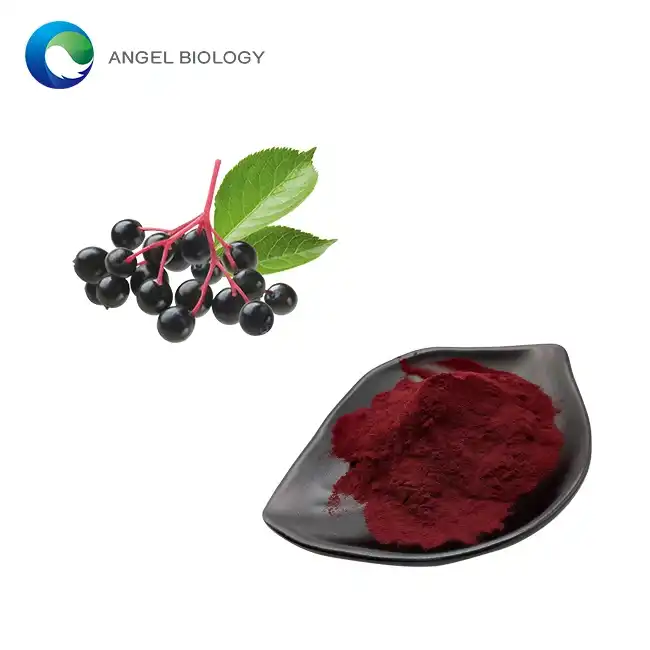 VIEW MOREBlack Elderberry Extract Powder
 VIEW MOREL-glutathione Powder
 VIEW MOREWhite Willow Bark Extract Salicin