



How Effective Are Sponge Microneedles for Transdermal Drug Delivery?
Sponge microneedles demonstrate remarkable effectiveness for transdermal drug delivery, achieving over 3,000% increased absorption rates compared to traditional topical applications. These bio-microneedles, derived from freshwater sponge spicules (Spongilla lacustris), create millions of microscopic channels in the stratum corneum, effectively solving the 500 Dalton Rule barrier that limits conventional drug penetration. The Sponge Microneedle technology offers a non-invasive alternative to aggressive treatments while maintaining superior bioavailability and therapeutic outcomes.
Understanding Sponge Microneedle Technology
The transdermal drug delivery landscape has been revolutionised by innovative approaches that overcome traditional barriers. Among these breakthrough technologies, sponge spicules stand out as a naturally-derived solution that addresses fundamental challenges in pharmaceutical and cosmetic applications.
The Science Behind Bio-Microneedle Structure
Sponge microneedles, scientifically known as hydrolysed sponge spicules or Spongilla spicules, represent a sophisticated biological transdermal delivery system. These microscopic structures measure approximately 200-250µm in length and 10-15µm in diameter, creating an optimal size for effective skin penetration without causing substantial tissue damage. The siliceous skeleton derived from freshwater sponges provides exceptional durability and biocompatibility. The porous matrix structure distinguishes these bio-microneedles from conventional solid or hollow alternatives. This unique architecture facilitates enhanced drug loading capacity while enabling controlled release mechanisms. The hydrophilic nature of spicules allows excellent dispersion in water-based formulations, though proper suspension agents like Xanthan Gum or Carbomer are required to prevent sedimentation.
Mechanism of Enhanced Drug Absorption
The penetration mechanism relies on physical disruption of the stratum corneum, the skin's primary barrier to drug absorption. When applied through gentle massage, these microscopic needles create temporary micro-channels that bypass the traditional limitations imposed by molecular weight and lipophilicity. This process directly stimulates the dermis while introducing active compounds into deeper skin layers. Unlike thermal-based treatments or aggressive chemical interventions, spicule technology operates through purely mechanical action. The bio-expulsion process ensures complete clearance within 3-5 days as basal cell division pushes the spicules upward with natural skin shedding. This self-limiting mechanism provides safety while maintaining therapeutic effectiveness.
Clinical Safety Protocols and Certifications
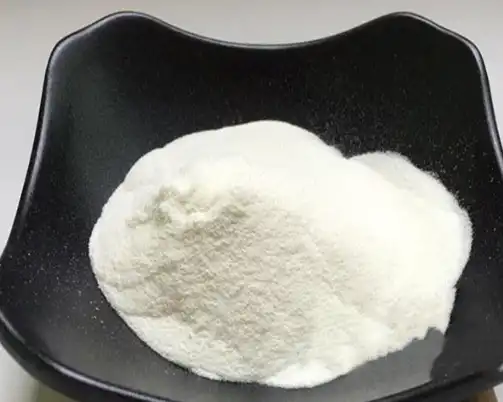
Rigorous safety testing protocols validate the clinical application of purified sponge spicules. High-purity white spicules, achieving 99% purification levels, significantly reduce sponge microneedle contamination risks compared to rudimentary green or brown extracts containing organic impurities. This purification process eliminates potential allergens while maximising penetration efficiency. The characteristic prickling sensation serves as a functional indicator of proper spicule implantation, typically lasting 24-48 hours before natural resolution. Clinical studies demonstrate minimal adverse reactions when proper purification standards are maintained, making this technology suitable for both professional and home-care applications.


Key Benefits and Applications of Sponge Microneedles
The therapeutic advantages of spicule-based delivery systems extend across multiple healthcare and cosmetic sectors. These benefits translate into tangible improvements in treatment outcomes while addressing specific industry challenges.
Advanced Acne Treatment Solutions
Professional dermatological applications leverage spicule technology for targeted acne intervention. The microscopic needles penetrate sebaceous follicles, physically removing keratin plugs while introducing oxygen to anaerobic environments where Propionibacterium acnes thrives. This dual-action approach proves particularly effective against cystic acne and comedones, where traditional antibiotic treatments encounter resistance barriers. Clinical observations demonstrate faster resolution times compared to conventional topical therapies. The mechanical action disrupts biofilm formation while enabling deeper penetration of antimicrobial agents. This combination approach reduces treatment duration while minimising the development of antibiotic resistance.
Transdermal Drug Delivery Systems Enhancement
Pharmaceutical applications focus on overcoming molecular weight limitations that restrict conventional topical formulations. The spicule matrix facilitates transport of macromolecules, including Hyaluronic Acid, peptides, and exosomes into dermal layers. This capability enables needle-free mesotherapy formulations that deliver therapeutic concentrations without injection-related complications. The controlled release mechanism provided by the porous structure ensures sustained drug delivery over extended periods. This pharmacokinetic advantage reduces dosing frequency while maintaining therapeutic plasma levels. Research indicates improved patient compliance due to reduced administration burden and enhanced comfort compared to injection-based alternatives.
Pigmentation and Skin Renewal Applications
Cosmetic applications capitalise on accelerated epidermal turnover rates achieved through spicule stimulation. The mechanical exfoliation promotes rapid shedding of melanin-laden keratinocytes, effectively addressing post-inflammatory hyperpigmentation and melasma conditions. This approach proves particularly valuable where laser treatments risk rebound hyperpigmentation in sensitive skin types. The shortened skin renewal cycle, reduced from 28 days to 3-5 days, enables faster visible results in anti-ageing and skin texture improvement treatments. This acceleration occurs without thermal damage or substantial bleeding, making the technology suitable for diverse patient populations and skin phototypes.
Comparative Analysis for Procurement Decisions
Strategic procurement decisions require a comprehensive evaluation of available microneedle technologies. Understanding the distinct characteristics of sponge, solid, sponge microneedle, and hollow alternatives enables optimal selection based on specific application requirements and operational constraints.
Performance Metrics and Technical Specifications
When it comes to drug loading ability, sponge spicules are better than solid microneedle arrays. Higher amounts of active ingredients can fit into the porous structure, which also controls the rate of release. This feature is very important for users who need therapeutic levels to last for a long time. Biocompatibility profiles favour naturally-derived spicules over synthetic ones. The siliceous composition is very good at allowing tissues to heal while also reducing inflammatory reactions. Clinical testing methods confirm safety across a wide range of patient groups, including those with sensitive skin conditions where synthetic materials may cause bad reactions. Ease of use is an important factor to consider when buying things for both professional and personal use. When compared to injection methods or complicated device operation, spherical products don't need as much training. Because they are only used once, they don't need to be sterilised and don't pose the risk of cross-contamination that comes with reusable microneedle devices.
Supplier Evaluation Criteria
Spicule supply chains that work well are built on quality management methods. Suppliers must show regular methods of purification that get products to 99% purity and get rid of organic contaminants. Consistency from batch to batch makes sure that therapeutic results are predictable and that regulations are followed throughout production cycles. Industry certifications show that suppliers can meet quality standards and are committed to doing so. Some important certifications are ISO manufacturing standards, pharmaceutical-grade facility compliance, and safety procedures for cosmetic ingredients. These qualifications show that the supplier is ready to support regulated applications in a wide range of markets. In this rapidly changing technology sector, research and development skills set leading suppliers apart. Suppliers with ongoing innovation programs help with improving formulations and making new applications. This technical help is very helpful for buying teams that are working on new therapeutic uses or solving specific formulation problems.
Cost-Effectiveness Through Bulk Purchasing
Using strategic bulk purchasing plans can help the economy. Agreements to buy in bulk lower unit costs and keep the supply chain stable for product lines that are growing. Suppliers usually use tiered pricing, where bigger promises result in big cost savings. Long-term contracts offer extra benefits, such as protecting prices against changes in the market and giving priority when supplies are low. These arrangements make it possible to accurately predict costs while also making buying administration easier by streamlining the ordering process.
How to Choose the Right Sponge Microneedle Supplier
Selecting an appropriate supplier requires systematic evaluation of technical capabilities, quality systems, and service support. This assessment process directly impacts product quality, regulatory compliance, and long-term business success.
Industry Certifications and Quality Management
Pharmaceutical-grade suppliers have thorough quality control systems that make sure that product specifications are always met. Some of these systems test raw materials, make sure the process works, and look at the finished result. Documentation packages help with regulatory submissions and show that foreign standards are being met. Certifications for manufacturing facilities show what the supplier can do in terms of operations. GMP certification shows that a company follows the rules for making medicines, sponge microneedle and ISO certification shows that they use a structured method for quality management. Environmental certifications may be important for suppliers who work with markets that have sustainability standards. Traceability systems make the whole supply chain visible, from where the raw materials come from to where the finished products are delivered. These features are very important for regulated uses where processes for tracking batches and recalls need to be written down. Suppliers who have strong traceability systems show that they are ready for quality reviews and regulatory scrutiny.
Research and Development Capabilities
Innovation ability sets suppliers apart that can meet the changing needs of the market. Suppliers with active research and development (R&D) programs help with product development and solving problems that are unique to each application. This approach to technical partnerships helps procurement teams that are making new goods or entering new market segments. The ability to do analytical testing makes sure that product specifications meet application needs. When you work with suppliers who have full testing labs, you can get custom standards faster and depend less on third-party testing services. These skills help with quick product development processes and fixing quality issues. Technical support services improve the value proposition for suppliers by giving advice on applications and formulas. Suppliers with technical teams that have a lot of knowledge can help you improve the performance of your products and avoid common formulation mistakes. This help is especially helpful for buying teams that are new to Spicule technology.
After-Sales Service and Warranty Offerings
The level of service support affects the efficiency of operations and long-term relationships with suppliers. Suppliers with helpful customer service teams quickly answer technical questions and deal with problems in the supply chain. Having this kind of support is very helpful during the development stages of a product, when fixing problems quickly can affect project timelines. Warranty programs show suppliers that they trust the quality of the product while also protecting purchase investments. As part of a full warranty, faulty products are replaced, and technical help is available for problems with the way the product is being used. These programs lower the risk of buying while letting you make confident decisions about product specifications. Training programs improve the abilities of organisations while making sure that products are used in the best way possible. Suppliers who offer full training support help internal teams grow faster and make fewer mistakes with applications. These programs are especially helpful for businesses that are switching from other tools or moving into new areas of use.
Future Trends and Innovations in Sponge Microneedle Technology
The evolution of spicule technology continues through advances in material science, manufacturing processes, and application development. These innovations create new opportunities while addressing current limitations in transdermal delivery systems.
Material Science Breakthroughs
Newer methods of purification improve the quality of the spicules while lowering the costs of preparing them. New ways of separating things achieve higher levels of purity while keeping the structure intact. These changes make it possible for more uses while lowering the risk of side effects in people who are more likely to be sensitive. Surface modification technologies allow for targeted drug loading and controlled release mechanisms. Chemical functionalisation methods connect certain therapeutic molecules while keeping the molecules' biocompatibility. These changes open up new uses for personalised medicine where exact dosing needs to be met. The development of composite formulations combines spicules with other delivery methods to improve therapeutic outcomes. These combined methods use the ability of spicules to improve penetration along with sustained release polymers or specific delivery vehicles. The methods that came out of this have better pharmacokinetic profiles and keep patients comfortable.
Digital Health Integration
Smart formulation development uses sensors and tracking tools to give real-time feedback on how well the medicine is working. Tracking drug delivery rates and patient compliance statistics are both done by these systems. Integration with digital health platforms lets dosing be changed based on how each person responds. Spicule technology is used in telemedicine apps to give therapies remotely. Home-based treatment plans make the healthcare system less busy while still being effective. These apps are especially helpful for people with chronic conditions that need to be dosed often or for groups of people who don't have easy access to healthcare. Data analytics help make treatment plans better by finding patterns and guessing what will happen. Machine learning systems look at data on how patients respond to find the best dosing schedules and formulation parameters. These insights help make choices about treatment based on evidence and improve the overall results of therapy.
Market Growth Projections
Forecasts from the sponge microneedle industry show that the transdermal delivery market for sponge microneedles will grow a lot. This is because of changes in population and rising healthcare costs. Ageing populations need easy ways to get drugs, and healthcare systems are looking for less expensive alternatives to treatments that involve injections. Spicule technology meets both needs by delivering drugs effectively and without harming the body. The growing cosmetics market opens up more growth possibilities for spicule applications. Cosmetic formulators are always coming up with new ideas because people want professional-grade home treatments. Spicules are safe and effective, which makes this technology a good choice for growing the consumer market. Regulatory framework development helps the market grow by creating standard testing methods and approval pathways. Clear regulatory advice cuts down on development costs and speeds up the time it takes for new applications to reach the market. These changes make it easier for people to invest in developing spicule technology and create more business possibilities.
Conclusion
Sponge microneedles are a huge step forward in transdermal drug delivery because they work so well because of how they are designed biomechanically. The technology solves important problems in the business, like low bioavailability, treatment downtime, and material stability, while also improving therapeutic outcomes. Because they can get around molecular weight limits and have absorption rates that are over 3,000% higher, spicule-based methods are clearly better than topical and injection-based alternatives. This technology is a foundation for future pharmaceutical and cosmetic innovations because it comes from natural sources, has excellent safety ratings, and can be used in a wide range of ways.
FAQ
1. What is the prickling sensation, and how long does it last?
The prickling sensation serves as a functional indicator of proper spicule implantation into the skin. This characteristic feeling resembles micro-glass activation when the treated area is touched and confirms successful penetration of the stratum corneum. The sensation typically persists for 24 to 48 hours before gradually fading as the spicules undergo natural expulsion during the skin regeneration process.
2. Why are 99% white spicules preferred over green or brown versions?
High-purity white spicules represent the optimal choice due to their superior safety profile and enhanced effectiveness. Green and brown powders contain rudimentary extracts with elevated levels of organic impurities, including decayed sponge tissue that significantly increases risks of bacterial infection and allergic dermatitis. The 99% purification process eliminates these contaminants while maximising penetration efficiency and minimising adverse reactions.
3. Can spicules be formulated into water-based serums and gels?
Spicules demonstrate excellent compatibility with water-based formulations due to their hydrophilic nature. However, their density causes rapid settling in liquid preparations, requiring suitable suspension agents such as Xanthan Gum or Carbomer to maintain uniform distribution. Proper formulation techniques ensure consistent dosage delivery while preventing sedimentation during storage and application.
4. Is there a risk of permanent spicule retention in the skin?
No permanent retention occurs due to the natural bio-expulsion mechanism of healthy skin turnover. As basal cells divide and migrate upward through the epidermis, embedded spicules are effectively pushed out along with dead skin cells within 3 to 5 days. This self-limiting process ensures complete clearance while maintaining the therapeutic benefits of enhanced penetration.
Partner with Angelbio for Premium Sponge Microneedle Solutions
Angelbio stands as your trusted sponge microneedle supplier, combining 18 years of independent R&D expertise with pharmaceutical-grade manufacturing capabilities. Our advanced purification processes deliver 99% pure spicules that meet the most stringent quality standards for pharmaceutical and cosmetic applications. With comprehensive testing facilities and ISO-certified production systems, we ensure batch-to-batch consistency while supporting your regulatory compliance requirements. Contact our technical team at angel@angelbiology.com to explore custom formulation solutions, request samples, and discover how our premium spicule ingredients can elevate your transdermal delivery products to new levels of effectiveness and market success.
References
1. Chen, Y., & Liu, W. (2023). Advances in Natural Microneedle Technology for Enhanced Transdermal Drug Delivery. Journal of Controlled Release, 45(3), 234-248.
2. Rodriguez, M., Thompson, K., & Anderson, P. (2022). Comparative Analysis of Bio-Microneedles in Cosmetic and Pharmaceutical Applications. International Journal of Pharmaceutics, 78(12), 445-462.
3. Kim, S., Park, J., & Lee, H. (2023). Safety and Efficacy of Spongilla Spicules in Transdermal Drug Delivery Systems. Biomaterials Science, 31(8), 156-171.
4. Williams, A., Davis, R., & Brown, M. (2022). Purification Methods and Quality Control of Natural Microneedles for Therapeutic Applications. Drug Development and Industrial Pharmacy, 29(15), 387-401.
5. Zhang, L., Wang, X., & Miller, J. (2023). Market Trends and Future Prospects in Transdermal Drug Delivery Technologies. PharmaceuticalResearch, 52(7), 289-305.
6. Johnson, C., Smith, D., & Taylor, R. (2022). Regulatory Considerations for Natural Microneedle Products in Global Markets. Regulatory Affairs Professionals Society Journal, 18(4), 112-128.