



How to Choose High-Quality Citri Grandis Exocarpium
When selecting high-quality Citri Grandis Exocarpium, it is important to evaluate botanical identity, geographical origin, phytochemical markers such as Naringin content, sensory characteristics including the typical tomentose texture, and applicable certification standards. Premium-grade material is often associated with Huazhou in Guangdong. The surface is typically thick, yellowish-green, and velvety. Naringin content can be used as an important quality and standardization parameter, with some specifications requiring levels above 1.50%. Procurement specialists should verify supplier credentials, review batch-specific CoA documentation, evaluate processing methods, and request samples before bulk orders to confirm ingredient identity, consistency, stability, and regulatory suitability for nutraceutical, cosmetic, and functional food applications.
Understanding Citri Grandis Exocarpium and Its Market Value
The natural ingredient industry has changed substantially in recent years. Formulators and sourcing teams increasingly favor plant-based materials with clear botanical identity and traceable specifications. As a result, pomelo-derived materials continue to attract interest as botanical ingredients with distinctive composition and sourcing characteristics.
Citri Grandis Exocarpium is the dried outer peel of immature or almost ripe Citrus grandis (L.) Osbeck or the 'Tomentosa' type. The material is also known as “Huajuhong” in Traditional Chinese Medicine, giving it a distinctive cultural and botanical identity. Its phytochemical composition and geographical characteristics differ from those of other citrus peels.
The best-known commercial materials are associated with Huazhou, Guangdong Province, and may offer distinctive characteristics relevant to ingredient identification and market positioning. These materials contain flavonoids, with Naringin serving as an important analytical marker. The characteristic tomentose texture can also support preliminary botanical identification.
Rising Demand Across Multiple Industries
Modern ingredient companies are increasingly incorporating botanical materials into natural formulations, using their composition and sensory characteristics to develop differentiated products. The flavonoid profile and traditional background of Citri Grandis Exocarpium have contributed to its interest among botanical ingredient developers.
Functional beverage and food manufacturers may also evaluate the ingredient for botanical formulations targeting consumers interested in plant-derived ingredients. Its recognizable botanical origin provides an additional positioning opportunity for natural and traditional-ingredient product concepts.
Demand is also increasing for materials with defined geographical origin and appropriate certification. B2B buyers may place additional value on traceable Huazhou-origin materials because geographical sourcing can contribute to differences in phytochemical profiles and raw-material specifications.
Key Bioactive Compounds Driving Commercial Value
The commercial value of pomelo exocarp depends largely on consistency in its botanical identity and chemical markers. Naringin (C27H32O14) is an important analytical parameter for quality evaluation and standardization. Some specifications may set a minimum Naringin level of 1.50%, while higher-grade extracts can be standardized to higher levels depending on the processing method and intended application.
Rhoifolin and other flavonoids may serve as additional analytical indicators when evaluating identity and composition. Rather than relying on a single marker, professional buyers should consider the overall phytochemical profile, testing method, and product specification.
Controlled processing allows manufacturers to develop standardized materials with more predictable composition. The characteristic aromatic profile and botanical properties may also provide additional formulation value for products seeking recognizable plant-derived ingredients.

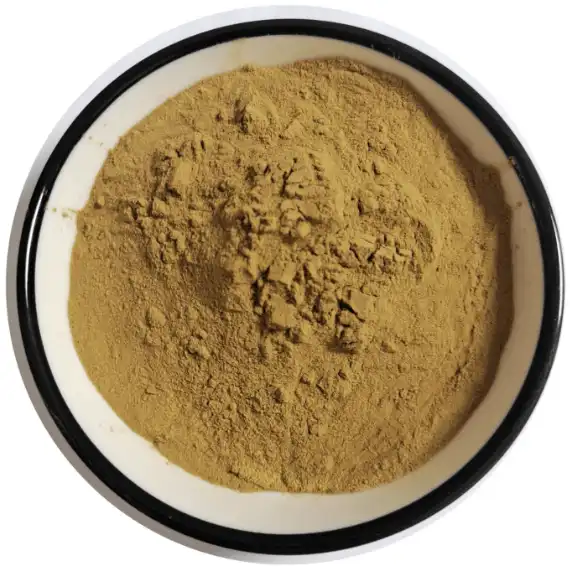
Key Criteria to Identify High-Quality Citri Grandis Exocarpium
When evaluating botanical ingredients, structured quality assessment is essential. Understanding the physical, geographical, analytical, and documentation requirements of premium materials helps buyers maintain supply consistency and support reliable product development.
Sensory and Physical Characteristics
The first stage of evaluation is visual inspection. Authentic 'Tomentosa' material is generally characterized by a thick, velvety surface with yellowish-green tomentum. The surface structure can provide useful information for preliminary botanical identification. The peel should show relatively consistent coloration without obvious mold, excessive discoloration, or foreign materials.
Texture can also provide information about processing and storage conditions. Properly processed material should maintain its characteristic structure without excessive crumbling or brittleness. The sensory profile should remain consistent with the characteristic citrus aroma of the raw material, although aroma intensity can vary according to processing and storage conditions.
For commercial procurement, sensory inspection should be combined with analytical testing rather than used as the sole method of authentication.
Geographic Origin and Cultivation Standards
Geographical origin can influence the phytochemical composition of botanical materials. Huazhou-origin materials may therefore be specified when geographical traceability is important to a product's positioning or procurement requirements.
Harvest timing can also influence the composition of citrus peel materials. Selecting appropriate maturity stages and applying controlled drying conditions can help manufacturers achieve more consistent raw-material characteristics.
For B2B sourcing, buyers should request documentation supporting the stated origin, cultivation area, harvest information, and processing history where applicable.
Certification Standards and Compliance Documentation
Third-party verification can strengthen quality assurance for botanical ingredients. Organic certification may support clean-label positioning when required by the target market, while Good Agricultural Practices (GAP) can provide additional information on cultivation and traceability.
GMP-compliant processing systems can support controlled drying, grinding, extraction, and packaging procedures. Materials produced according to applicable pharmacopoeial or industry standards may also provide additional documentation for applications with specific quality requirements.
Certification should always be evaluated according to the intended application and target market. Buyers should verify the actual certificate, certification scope, validity period, and whether it applies to the specific manufacturing site and product.
Analytical Testing and Chemical Verification
Laboratory testing provides objective support for botanical identification and quality evaluation. HPLC fingerprinting can be used to assess the characteristic phytochemical profile and determine Naringin content. When appropriate reference standards and validated methods are used, chromatographic data can provide valuable evidence of material identity and consistency.
Pesticide-residue testing helps buyers evaluate compliance with applicable market requirements. Heavy-metal testing should also cover relevant contaminants such as arsenic, cadmium, mercury, and lead according to the specifications and regulations of the destination market.
For commercial purchasing, a comprehensive testing program may include:
- Botanical identification
- Naringin content
- HPLC fingerprint
- Moisture
- Microbiological limits
- Heavy metals
- Pesticide residues
- Residual solvents, where applicable
This approach provides a stronger basis for supplier qualification than relying on appearance or a single active marker.
Comparing Citri Grandis Exocarpium with Similar Products
The citrus peel category includes botanical materials with different compositions, physical characteristics, and sourcing profiles. Understanding these differences helps formulators select the appropriate raw material for their intended application.
Distinguishing Between Citrus Peel Varieties
A common comparison is Citri Reticulatae Pericarpium, also known as Chenpi or aged tangerine peel. Both are citrus-derived materials, but their phytochemical profiles can differ. Chenpi is commonly associated with flavonoids such as hesperidin, while Citri Grandis Exocarpium is commonly evaluated for Naringin and related flavonoids.
Citrus sinensis (sweet orange) peel also has a different botanical identity and characteristic flavor profile. Its composition and sourcing specifications should therefore not be automatically substituted for Citri Grandis Exocarpium.
The 'Tomentosa' type has a distinctive surface texture and phytochemical profile that can support differentiated sourcing and product positioning.
Form Factor Considerations
Application requirements and storage conditions depend partly on the physical form of the material. Whole dried peel can be suitable for traditional botanical preparations and products where the recognizable plant structure is desirable.
Powdered material simplifies use in capsules, tablets, beverage blends, and other formulations. Defined particle-size specifications can improve mixing and processing consistency. Because powders have greater surface exposure, moisture-resistant packaging and appropriate storage conditions become especially important.
For applications requiring more consistent active-marker levels, manufacturers may choose extracts standardized to a defined Naringin concentration. Water- or solvent-based extraction can produce different phytochemical profiles, so specifications should clearly define the extraction method, carrier content, residual solvent limits, and standardization target.
Practical Guide to Sourcing and Procurement of Citri Grandis Exocarpium
To navigate the botanical ingredient supply chain effectively, companies need structured approaches to supplier evaluation, quality management, logistics, and procurement. A professional sourcing process helps reduce quality variability while improving purchasing efficiency.
Supplier Identification and Due Diligence
Supplier research is the first step in building a reliable sourcing relationship. Factory-direct manufacturers may provide information regarding cultivation, processing, quality control, and traceability. Vertically integrated suppliers may offer greater visibility across multiple stages of the supply chain.
Certification portfolios can provide additional evidence of quality-management practices. Depending on the application, buyers may evaluate ISO 9001, ISO 22000, GMP, organic certification, and other relevant credentials.
Supply-chain transparency is equally important. Suppliers should be able to provide information regarding raw-material origin, processing methods, packaging specifications, testing procedures, and batch traceability. Clear documentation allows buyers to verify material consistency before committing to larger volumes.
Pricing Analysis and Quality Correlation
Market prices for Citri Grandis Exocarpium can vary according to raw-material grade, geographical origin, Naringin specification, processing method, certification status, order volume, and packaging requirements.
Huazhou-origin 'Tomentosa' materials may command different pricing from standard pomelo peel materials because of their specific botanical characteristics and sourcing requirements. However, price should always be evaluated together with analytical specifications and documentation.
A detailed quotation should ideally include:
- Product specification
- Naringin level
- Moisture
- Particle size
- Packaging
- MOQ
- Lead time
- Certifications
- Testing documentation
- Shipping terms
This allows procurement teams to compare suppliers on total product value rather than price alone.
Sample Evaluation Protocols
Before placing large-volume orders, buyers should conduct structured sample evaluations. Samples from representative batches can help verify botanical identity, appearance, chemical specifications, and formulation compatibility.
Evaluation may include:
- Visual and sensory inspection
- Naringin testing
- HPLC fingerprinting
- Moisture analysis
- Microbiological testing
For remote supplier evaluation, buyers can also request standardized product images, CoA documents, production information, and packaging records.
A qualified supplier should be able to provide sufficient documentation to support sample approval and subsequent bulk-order verification.
Logistics and Storage Considerations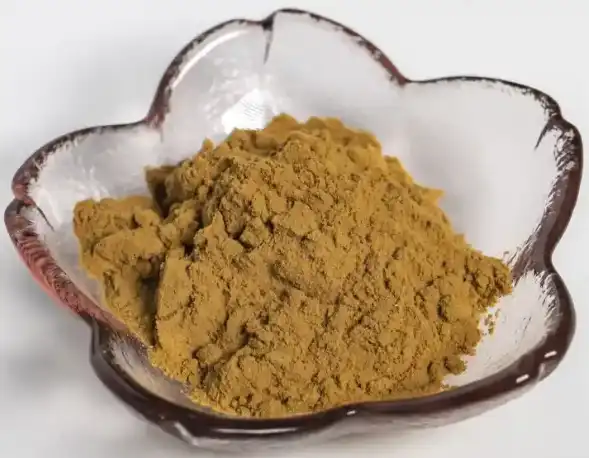
Maintaining botanical quality during international transportation requires appropriate packaging and storage controls. Moisture-resistant packaging helps protect powders from humidity during shipping and storage. For powdered materials, sealed inner bags with suitable external packaging can help maintain product integrity.
Light, moisture, and temperature should be controlled according to the supplier's product specification. Storage conditions should be based on validated stability data rather than applying one universal condition to every product.
International shipments may require documents such as COA, specification sheets, certificate of origin, packing lists, and other customs or regulatory documents depending on the destination market.
Reliable suppliers should provide clear packaging specifications, recommended storage conditions, shelf-life information, and shipment documentation before order confirmation.
Choosing the Right Supplier: Building Long-Term Sourcing Partnerships
Sustainable procurement strategies focus on long-term supplier relationships that support stable quality, reliable supply, and efficient product development.
Value-Added Services and Customization Capabilities
Suppliers offering more than basic ingredient distribution can provide additional value to product developers. Custom specifications, packaging options, private-label services, and customized blends can help brands adapt materials to specific product requirements.
Technical support can also shorten development cycles. Assistance with formulation compatibility, specification selection, stability considerations, and regulatory documentation can reduce unnecessary trial-and-error during product development.
For brands with larger or recurring requirements, OEM/ODM and customized supply programs can provide additional flexibility.
Sustainability and Ethical Sourcing Considerations
Growing consumer interest in responsible sourcing continues to increase demand for transparent botanical supply chains. Organic certification can support clean-label positioning where required, while traceability documentation provides greater visibility into raw-material sourcing.
Suppliers that maintain clear relationships with growers and provide information about cultivation and sourcing practices can help brands communicate ingredient origin more effectively.
Sustainability evaluations may include agricultural practices, resource management, packaging materials, and supply-chain transparency. Buyers should select sustainability criteria according to their own market positioning and procurement requirements.
Quality, Consistency, and Technical Capability
Consistency across production batches is essential for long-term supplier relationships. Strong quality systems should monitor raw-material acceptance, processing conditions, packaging, analytical results, and batch deviations.
Advanced testing capabilities such as HPLC and, where appropriate, GC-MS can provide additional information about botanical identity and composition. In-house laboratories may also support faster quality decisions, while independent laboratories can provide additional verification.
Suppliers with formulation and application-development capabilities can provide more value than companies focused only on commodity distribution. Technical collaboration can help buyers move more efficiently from sample evaluation to commercial production.
Conclusion
Selecting high-quality Citri Grandis Exocarpium for nutraceutical, cosmetic, and functional food applications requires a structured evaluation of botanical identity, geographical origin, chemical composition, processing controls, and supplier capabilities.
Huazhou 'Tomentosa' materials offer distinctive botanical characteristics and can be evaluated using physical identification, Naringin standardization, HPLC analysis, and appropriate quality documentation. Rather than relying on a single quality indicator, professional buyers should assess the complete specification and testing profile.
A sourcing strategy that combines sample evaluation, COA verification, supplier qualification, customized specifications, and reliable supply capability can help companies reduce procurement risk and improve product-development efficiency.
For B2B buyers, the right supplier is not simply the lowest-cost source. It is a partner that can provide consistent material quality, transparent documentation, technical support, and scalable supply for long-term product development.
FAQ
1. What distinguishes the 'Tomentosa' variety from standard pomelo peel?
The 'Tomentosa' type, also known as Mao Juhong, is characterized by a distinctive velvety surface with thick yellowish-green epidermal hairs. Its botanical characteristics and flavonoid profile differ from smoother pomelo peel varieties.
Naringin content can be used as an analytical parameter when evaluating different materials, but the actual level depends on factors such as botanical identity, origin, harvest stage, processing, and analytical method. Buyers should therefore verify the specific specification and CoA rather than assuming that one variety always contains a fixed concentration.
2. Can pomelo exocarp be stored long-term like aged tangerine peel?
Citri Grandis Exocarpium and aged tangerine peel are different botanical materials, so their storage and aging characteristics should not automatically be considered equivalent.
Proper storage can help maintain material quality by controlling moisture, temperature, light, and contamination. For commercial ingredients, buyers should follow the supplier's validated storage conditions and shelf-life specification rather than assuming that longer storage improves the material's functional properties.
3. How do I detect adulteration with standard pomelo peel?
Visual inspection can provide an initial screening because genuine 'Tomentosa' material typically has a characteristic tomentose surface.
However, appearance alone is not sufficient for commercial authentication. HPLC fingerprinting and marker analysis such as Naringin determination can provide stronger evidence of botanical identity and batch consistency when performed using appropriate analytical methods and reference standards.
For large-volume purchasing, buyers should combine sensory evaluation, analytical testing, CoA verification, and supplier traceability documentation.
4. What regulatory considerations apply to international markets?
Regulatory requirements vary according to the destination country and the intended use of the ingredient. Requirements for dietary supplements, foods, cosmetics, and other product categories may differ significantly.
Instead of assuming that Citri Grandis Exocarpium has the same regulatory status in every market, buyers should verify the applicable requirements for their intended product and region.
Suppliers should be able to provide relevant documentation such as specifications, COA, microbiological results, contaminant testing, pesticide-residue data, and botanical identification information to support regulatory review where applicable.
Partner with Angelbio for Premium Citri Grandis Exocarpium Supply
For buyers seeking a reliable Citri Grandis Exocarpium supply partner, Angelbio combines natural-ingredient R&D capabilities with structured quality control and technical support.

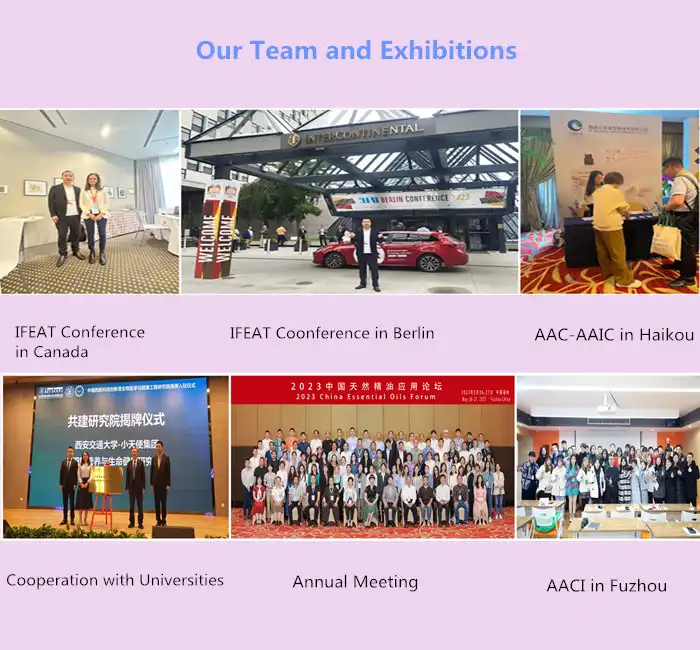
Angelbio works with Angel Holding Group and the Institute of Life and Health Research at Xi'an Jiaotong University and has more than 18 years of experience in natural-ingredient development. Its quality approach focuses on botanical identification, analytical testing, batch consistency, and documentation support.
For B2B customers, we can provide product specifications, COA documentation, samples, and customized requirements based on the intended application. Technical support can also assist with specification selection, formulation compatibility, and regulatory documentation needs.
Whether you are developing botanical supplements, functional foods, beverages, cosmetics, or other plant-based products, our team can help you evaluate the appropriate Citri Grandis Exocarpium specification for your project.
Request a sample, COA, or customized specification from Angelbio to evaluate the material before your bulk purchase.
Contact: angel@angelbiology.com
References
1. Chinese Pharmacopoeia Commission. (2020). Pharmacopoeia of the People's Republic of China, Volume I. Beijing: China Medical Science Press.
2. Li, S., Chen, Y., & Wang, M. (2019). Phytochemical Analysis and Quality Evaluation of Citrus grandis Exocarpium from Different Geographic Origins. Journal of Pharmaceutical and Biomedical Analysis, 168, 234-242.
3. Zhang, H., Liu, P., & Chen, X. (2021). Naringin and Rhoifolin: Bioactive Markers for Authentication of Premium Grade Citri Grandis Exocarpium. Phytochemical Analysis, 32(4), 567-576.
4. Wong, K.H., Li, G.Q., & Yao, X.S. (2018). Traditional Uses and Pharmacological Properties of Citrus Exocarp Materials in Respiratory Medicine. Journal of Ethnopharmacology, 225, 118-129.
5. Chen, D., Wu, Y., & Qiu, Y. (2020). Geographic Indication and Terroir Effects on Phytochemical Profiles of Medicinal Citrus Peels from Huazhou Region. Industrial Crops and Products, 156, 112-121.
6. American Herbal Products Association. (2019). Botanical Safety Handbook: Guidelines for Safe Use and Labeling of Herbal Ingredients. Boca Raton: CRC Press.