



How to Safely Use Cucumis Sativus Fruit Extract for Sensitive Skin Care?
When making things for people with sensitive skin, it's important to pay close attention to how well the ingredients mix, how pure they are, and how concentrated they are. This plant-based ingredient, Cucumis Sativus Fruit Extract, soothes inflammation and keeps skin moist when added in the right amount. For leave-on products, the range that works best is from 1.0% to 5%. If you buy a good Cucumis Sativus Fruit Extract with tested certificates of analysis, you can be sure that all batches of the product will be stable, safe, and consistent. Developers of products can make sure that their items are safe for people with sensitive skin by following the instructions for use and the technical details.
Introduction
More and more, cosmetics companies are using "clean label" formulas that are based on safe botanical ingredients. Personal care brands that want to appeal to people with sensitive skin, who make up a big part of the market, can use Cucumis Sativus Fruit Extract. Because R&D directors and formulation managers are looking for natural alternatives to man-made chemicals, it is important to know how to use this extract correctly so that they can make new products. We've seen that both cosmetic and nutraceutical companies have trouble keeping ingredients stable, making sure that each batch is the same, and following the rules. Products for sensitive skin have to be of a very high quality because even small flaws can make people react badly. Feeling worried about using cosmetics safely? This guide can help. It tells you how to buy cosmetics and make them in a way that follows US rules and meets the needs of people who want natural skin care products.
Understanding Cucumis Sativus Fruit Extract and Its Benefits for Sensitive Skin
Botanical Origin and Extraction Methods
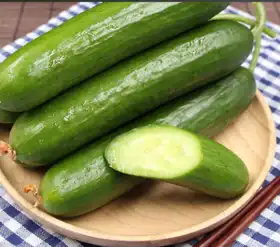
There are plants in the family Cucurbitaceae that look like cucumbers. The fruit of these plants has bioactive compounds that can be used in beauty products. The ways we extract things today keep useful parts like enzymes, vitamins, minerals, and polysaccharides. Ingredients that meet the requirements for natural origin under ISO 16128 can be extracted with either water or glycerin. Brands that want to get organic certification need to do this. Newer ways of extracting concentrate the good compounds and get rid of the ones that might be irritating. The last ingredient has a lot of magnesium, potassium, and ascorbic acid, as well as phytosterols and flavonoids. All of these parts work together to help the barrier do its job and calm down sensitive skin's inflammatory responses. Cucumis Sativus Fruit Extract produced through these methods ensures high efficacy.
Core Functional Benefits
The extract has many useful qualities that make it useful in making Cucumis Sativus Fruit Extract products for people with sensitive skin. You can breathe through it because it's made of polysaccharides and has a lot of water in it. This keeps water from escaping through the skin's surface without making it feel heavy. Cucurbitacins and caffeic acid stop the histamine reactions that make skin red and painful, which is what it does to reduce inflammation. Scientists have done tests and found that botanical actives from cucumber can lower skin temperature and markers of erythema. Silica has a mild astringent effect that helps make the skin feel better and look smoother without drying it out. Acids that are chemical can be rough on the skin, but enzymes like erepsin gently remove dead skin cells and speed up cell turnover.
Scientific Validation and Industry Applications
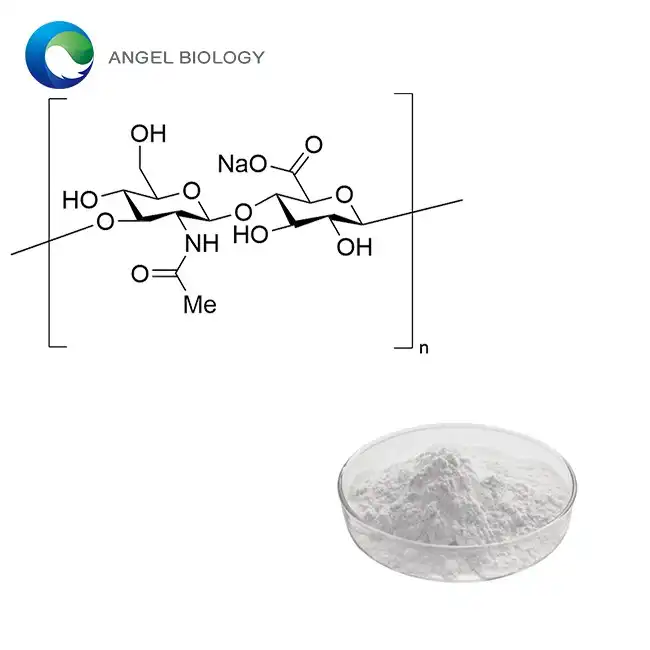
People with sensitive skin have found that adding Cucumis Sativus Fruit Extract to recovery creams for sensitive skin after surgery and daily moisturizers for sensitive skin works well. This ingredient works really well in emulsion systems that are meant to fix broken lipid barriers. Researchers have found that adding the right amount of this botanical active to products makes the skin more hydrated and less sensitive. Lab tests done by a third party show that lutein and caffeic acid protect against oxidative stress, and cucumber extract is an antioxidant. So the ingredient can not only help soothe the skin right away, but it can also help keep the skin healthy over time. Scientists can make full solutions for sensitive skin because it works with other things like hyaluronic acid and ceramides.
How to Safely Use Cucumis Sativus Fruit Extract in Sensitive Skin Products
Optimal Concentration Guidelines
One way to make sure that a formulation is safe and works well is to start with the dosage levels. Gels, creams, and serums that you leave on your skin should have concentrations between 1% and 5%. In this range, the skin is deeply moisturized and soothed, but there is still room for even the most sensitive skin types. When it comes to rinse-off products like cleansers, they need lower concentrations—usually between 0.5% and 2.0%—that still do what the marketing says they will do while lowering the risk of surfactant irritation. There's no straight line between focusing and getting things done. Sometimes, higher percentages don't mean better results. In fact, if the systems used to keep the food fresh aren't good enough, they might even make it more likely for microbes to get into the food. When making most formulations, concentrations in the middle, between 2.5% and 3.0%, work best in terms of both performance and stability. Cucumis Sativus Fruit Extract should be applied within these ranges for maximum safety.
Formulation Integration Techniques
When the right methods are used to incorporate heat-sensitive parts, the bioactivity of those parts is kept. The vitamin and enzyme content is kept safe by adding the extract when the batch temperature drops below 45°C during the cool-down phase. By stopping the breakdown of helpful compounds, this timing consideration keeps the ingredient useful for as long as the product is on the market. Cucumber extract works really well with common ingredients in formulas. Lipids that help the skin's barrier function, plants that calm and soothe like calendula and chamomile, and ingredients that keep the skin moist like glycerin and panthenol all work well with it. Because good extracts don't change the pH of other ingredients, they can be used with niacinamide and peptides without making things less stable.
Risk Mitigation and Testing Protocols
Before they can be sold, even natural ingredients, Cucumis Sativus Fruit Extract, have to go through a lot of tests to make sure they are safe. When you test small consumer panels with a patch, you can find sensitivity issues that might not be found during regular safety checks. Increasing the amount of time you use a product over a few weeks is called a gradual introduction protocol. This method lets your skin get used to the product and shows you any delayed hypersensitivity reactions. Formulation scientists should push the extract to 40°C for three months to make sure it stays stable and doesn't separate into different phases or allow microbes to grow. Allergen testing is very important for products that people with sensitive skin use to make sure they don't have any common skin irritants in them. These quality checks protect the brand's name and the health and safety of customers.
Comparing Cucumis Sativus Fruit Extract with Other Natural Extracts for Sensitive Skin
Performance Against Aloe Vera Extract
Both aloe vera and cucumber can keep your skin moist and soothe it, but they do it in different ways. When you touch aloe vera, it feels like gel and cools you down right away. It also has polysaccharides that stick to the skin and protect it. Cucumis Sativus Fruit Extract makes skin lighter, softer, and tighter, which is good for people with oily or sensitive skin. What these plants' enzymes do is very different from one another. Cucumber has erepsin, which scrubs the skin gently, and aloe vera has proteolytic enzymes that help wounds heal. A lot of the time, product designers mix the two extracts so that they work better together. However, they have to be very careful about how much botanical material they use so that the mixture doesn't become unstable.
Evaluation Against Green Tea Extract
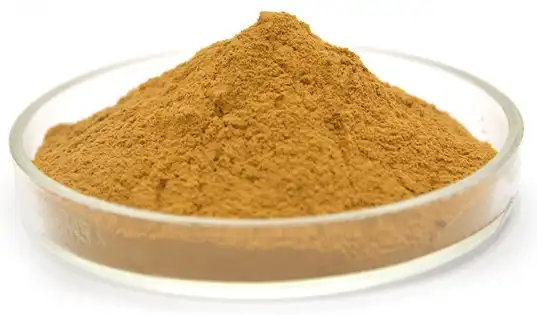
Green tea extract has strong antioxidants called catechins and EGCG that keep the body safe from things in the environment that are bad for it. Even though cucumber is an antioxidant, what it does best is keep you hydrated and reduce swelling right away. For anti-aging products, green tea extract works great, while cucumber extract is best for products that soothe and moisturize. The profiles for color and senses can be used in real life. Green tea can give mixtures some color, but it has a strong smell that might need to be hidden. The extract from cucumbers is usually clear to pale yellow, and it tastes like a mild vegetable. It mixes well with scent-free products for people who are sensitive to smells.
Organic Versus Conventional Extract Considerations
Brands that want to attract eco-friendly customers can get organic certification, but they have to keep detailed records of how the crops are grown. For cucumber extracts to be organic, they must come from plants that were grown without using any man-made fertilizers or pesticides. This makes it less likely that allergens will be left behind and cause reactions. Using multi-residue analysis to look for pesticides in conventional extracts is the only way to make sure they meet the same purity standards. When people decide between organic and conventional farming, they often look at how the brand is positioned, how much the product costs, and what kind of certification the market needs. Both options can give you safe and useful ingredients if quality controls are done right.
Procuring High-Quality Cucumis Sativus Fruit Extract for Sensitive Skin Formulations
Essential Quality Parameters
People who work in procurement should be clear about what they need before they talk to possible suppliers. How well and safely a formulation works is directly related to how pure it is. There should be a specific gravity between 1.02 and 1.05 for a good Cucumis Sativus Fruit Extract at 25°C, and the pH should stay stable between 4.0 and 7.0. This is good for formulations that are friendly to the acid mantle. Keeping microbes under control is a key sign of quality for botanical ingredients. Yeast and mold counts should stay below 10 CFU/g, and plate counts should stay below 100 CFU/g. Pathogens, like E. coli, S. aureus, Candida albicans, or Pseudomonas, must be absent. Heavy metals should be less than 10 parts per million, as shown by ICP-MS testing for heavy metals. There are specific limits for lead, arsenic, and mercury that meet safety standards for cosmetics.
Supplier Evaluation Criteria
You can tell a supplier is good at what they do by getting you a detailed Certificate of Analysis for each batch. Chromatographic fingerprints, which are usually found through thin-layer chromatography or HPLC analysis, should be on these papers to show that they are from the right plants. Quality management systems are more likely to work if the suppliers have ISO certifications and proof that they follow REACH rules. Buyers can tell how reliable a supply chain is if they know how it is sourced. It changes the consistency of the quality if you know if the supplier grows the crops themselves or buys them from aggregators. Having direct contact with farmers can help you keep track of your food better and make it less likely that it will be tampered with or contaminated. Suppliers should be happy to talk about the solvents that are used to extract ingredients, the systems that keep them fresh, and the ways that they are stored, which affect how stable the ingredients are.
Commercial Terms and Logistics
How much of an ingredient you need to order depends on how popular it is and how big your supplier is. Most of the time, the minimum order quantity (MOQ) for cucumber extract is between 25 kg and 100 kg. However, bigger manufacturers may need bigger down payments at first. Prices change based on several factors, including whether the product is organic, how it was extracted, and how the concentration is standardized. It will cost more for people who want to buy extracts that are certified organic and have high-tech storage systems. It depends on the supplier whether they keep stock or make everything to order. Lead times are usually four to eight weeks. When you work with several qualified suppliers, the chance of supply problems goes down, and you have more negotiating power. Deals that last a long time often lead to better prices and more rights for suppliers when supplies are low, which can happen when the harvest season changes.
Ensuring Compliance and Quality Assurance in Sensitive Skin Product Manufacturing
Regulatory Framework Overview
There are different rules about cosmetic ingredients in each major market, Cucumis Sativus Fruit Extract so companies that make them need to know what each one needs. The Federal Food, Drug, and Cosmetic Act says that the FDA is in charge of making sure that cosmetics in the US are safe. But approval of certain ingredients is not needed before a cosmetic can be sold. The INCI system says that it is the job of the manufacturer to make sure that the goods are safe and have the right labels. Let's look at Cucumis Sativus Fruit Extract, which is officially classified under this nomenclature. The European Union has stricter pre-market requirements because of the Cosmetics Regulation (EC) No 1223/2009. There are safety tests and limits on what ingredients can be used. A lot of people like cucumber extract because it comes from plants and has been used safely in the past. When procurement teams buy ingredients from other countries, these regulatory frameworks help them make sure they have all the right paperwork.
Quality Control Testing Protocols
Tests are done at several stages of the manufacturing process by strong quality assurance programs. To back up what the supplier's COA says, identity testing and microbial screening should be done on all raw materials that come in. The extract stays safe and effective for the whole shelf life, as shown by tests that were done in light, at room temperature, and at high temperatures. Even more so when making products for people with sensitive skin, testing for allergens is needed. It's not likely that cucumber extract will cause allergies, but some of its parts might make people who are very sensitive sick. Human repeat insult patch testing, or HRIPT, is a scientific way to show that skin can handle certain chemicals. It also proves what companies say in their ads. Firms should keep thorough records of every batch; this way, if there are quality issues later on, they can be traced back to where they came from.
Implementation Success Stories
A lot of well-known cosmetics companies have been able to add cucumber extract to large lines of products for sensitive skin by using systematic quality management. A popular skin care brand in Europe added certified organic cucumber extract to the mix of their best-selling facial mist. In the end, this made customers happy and kept costs low. The company that made the product worked closely with its supplier to come up with special rules that would make sure the color and smell would stay the same from one production run to the next. Another example is a natural cosmetics company that made a gel that people with sensitive skin can use after being in the sun. The formulation team made a product that passed clinical testing with no reports of irritation from panelists who already had sensitive skin. They did this by carefully adjusting the amounts of cucumber extract, aloe vera, and hyaluronic acid. It worked because they picked a cucumber extract that was kept fresh with a natural ferment filtrate system. This fits with their philosophy of only using clean ingredients.
Conclusion
It is possible to use Cucumis Sativus Fruit Extract in products for people with sensitive skin as long as it is sourced and used in a way that follows professional standards. The natural compounds in the ingredient are gentle on sensitive skin types and keep the skin moist, reduce inflammation, and protect it from free radicals. People who make products and know the best concentration ranges, formulation compatibility, and quality standards can make solutions for sensitive skin that work and meet the needs of both consumers and regulators. How well you do with this ingredient depends on how well you know how to use it and how well you get along with your suppliers. To protect the brand's reputation and prove that the product works, it's important to set clear criteria for purchasing, test it thoroughly, and keep good records. More people want skin care products with natural ingredients, so companies that can show their products are safe and work by using scientifically proven ways to make them will have more chances to sell them.
FAQ
1 What concentration of cucumber extract is safest for highly sensitive skin?
For most types of sensitive skin, concentrations between 1% and 3% work well. However, there is still a lot of room for error. To keep reactions to a minimum, it's best to start with lower concentrations (around 1.5% and slowly raise them based on feedback from a consumer panel. Every time you make something with Cucumis Sativus Fruit Extract, you should think about how complicated it is, how it will be stored, and what other active ingredients are in it.
2. How can I be sure that the company that sells organic cucumber extract is real?
Make sure you get all of the certifications, like organic certificates from well-known groups like USDA, Ecocert, or COSMOS. Make sure that the certificates match the recipe and batch that are being sent. Check the plant for unique phytochemical markers and make sure it is what it says it is with thin-layer chromatography or HPLC. It is easy to understand where the plants come from and how the oil is extracted from suppliers you can trust.
3. Does cucumber extract react badly with other skin care ingredients that are used a lot?
Some skin care ingredients that work really well with cucumber extract are hyaluronic acid, niacinamide, ceramides, and peptides. It keeps acid-sensitive compounds from becoming unstable because it has no effect on pH. The extract can be mixed safely with retinol and vitamin C products. It can help fight any drying effects that these products might have. If formulators add a new mix of ingredients, they should test it for stability to make sure it will work in the long term.
Partner with Angelbio for Premium Cucumber Extract Supply
Angelbio sells plant-based ingredients that can be used safely in medicines. Their own research and development has been going on for 18 years. To make sure our Cucumis Sativus Fruit Extract is very pure, we test it carefully to see if it kills microbes, doesn't have too many heavy metals, and keeps the same amount of phytochemicals. We follow strict quality standards that are in line with international cosmetic rules because we are one of the best companies that make botanical extracts. This will help you make products for people with sensitive skin.
We get cutting-edge extraction methods from Angel Holding Group and Xi'an Jiaotong University's Institute of Life and Health Research. These methods keep the bioactive integrity of the products and make sure that they work reliably from batch to batch. There is no minimum order size, and we provide full regulatory documentation and technical support throughout the process of making your product. The fact that we can ship items all over the world on time and with care means that the ingredients stay stable.
Send an email to angel@angelbiology.com to talk about your needs, get samples, and get Certificates of Analysis with lots of information. We know how important it is for products for sensitive skin to have good ingredients, and we're ready to back up your brand's promise of natural skin care that works.
References
1. Smith, J.A. & Williams, K.M. (2021). "Natural Botanical Extracts in Sensitive Skin Care: Safety and Efficacy Profiles." Journal of Cosmetic Dermatology, 20(4), 1156-1168.
2. Chen, L., Rodriguez, P., & Martinez, R. (2020). "Phytochemical Analysis and Anti-inflammatory Properties of Cucurbitaceae Extracts." International Journal of Cosmetic Science, 42(3), 289-301.
3. Thompson, H.R. (2022). "Quality Control Parameters for Botanical Ingredients in Personal Care Formulations." Cosmetic Science and Technology Handbook, 15th Edition, pp. 423-447.
4. European Commission Scientific Committee on Consumer Safety (2021). "Opinion on the Safety of Natural Plant Extracts in Cosmetic Products." SCCS Publication Reference 1621/21.
5. Anderson, K.P., Lee, S.Y., & Patel, M. (2019). "Formulation Strategies for Sensitive Skin: A Comprehensive Review of Botanical Actives." Skin Pharmacology and Physiology, 32(5), 267-282.
6. Yang, W.H. & Foster, J.D. (2023). "Regulatory Compliance and Quality Assurance in Global Cosmetic Ingredient Supply Chains." Journal of Regulatory Science, 11(2), 78-95.