



What foods contain glucoraphanin?
Glucoraphanin is naturally found in cruciferous vegetables. It is the building block for sulforaphane, Glucoraphanin Powder, which is a strong bioactive compound that protects cells and works as an antioxidant. Some of the best foods to get this from are broccoli sprouts, broccoli florets, Brussels sprouts, kale, and cabbage. Glucoraphanin is found in these whole foods, but standardized Glucoraphanin Powder is becoming more popular in the business world because it is more consistent, works better, and is easier to mix with other ingredients to make nutraceuticals, functional drinks, and cosmetics.
Understanding Glucoraphanin: Nature, Benefits, and Applications
Find out what glucoraphanin is, how it works, and what health benefits it has.
The Chemical Identity and Biological Role of Glucoraphanin
The chemical glucoraphanin is a glucosinolate that has sulfur in it. Its CAS number is 21414-41-5, and its molecular formula is C12H23NO10S3. It is a naturally occurring molecule that stays stable in plant cells until myrosinase changes it into sulforaphane, the compound that is best for your health. Glucoraphanin is stable in normal conditions, which makes it a great substance for extracting and making medicines. Glucoraphanin is biologically important because of the way it works. Some plant tissues become sulforaphane when myrosinase enzymes work on them. This happens when plant tissues are chewed, cut, or processed by enzymes. Then, this compound starts the Nrf2 pathway. This pathway manages how cells defend themselves against oxidative stress. Sulforaphane, which is made from glucoraphanin, helps cells stay healthy in a number of ways, according to researchers. Because of this, it can be used to make new nutritional products.
Primary Food Sources and Concentration Variations
Each cruciferous vegetable has a different amount of glucoraphanin, which makes it hard to set standards in business settings. Broccoli sprouts are the most concentrated food because they have 10–100 times more glucoraphanin than broccoli florets that are fully grown. Most sprouts that are three days old have 1,000 to 1,500 mg/100g of fresh weight. On the other hand, broccoli that is fully grown only has 40 to 80 mg/100g. The amounts in Brussels sprouts, cauliflower, and kale are all about the same, at 60 to 150 mg/100g. Genetics, growing conditions, harvest times, and how the crops are stored are all things that can change the concentration. When the temperature, soil type, and water availability change, so does the amount of glucoraphanin that is made. This kind of variation makes it hard for people who buy things on a large scale to find consistent raw materials. It's harder to manage the supply chain when things are only available at certain times of the year, like when Glucoraphanin Powder fresh vegetables are in season.
Applications Across B2B Sectors
When people in many fields understand how glucoraphanin works, they can use it in smart ways. It is used in detoxification formulas and supplements for cell health by the nutraceutical industry as an antioxidant precursor. Functional food companies put it in drinks and powders that use green juice, which they say is good for your metabolism. Nutraceutical formulations that fight cellular aging and the skin's defense systems are being looked into by the cosmetics industry. Innovative delivery systems are a brand-new kind of use. Dual-chamber capsules separate glucoraphanin and myrosinase enzyme so that you can get the most sulforaphane. This way, the change won't happen until the capsules are eaten. Glucoraphanin is safe in the acidic stomach because of delayed-release technologies. This makes sure that it works best in the small intestine. The raw materials must be very pure and known to work with enzymes for these high-tech methods to work.


Glucoraphanin Powder vs Natural Food Sources: What B2B Clients Should Know
Because natural food sources change over time, it's harder to be sure of the quality of industrial production. As the weather changes, broccoli sprouts from one harvest may only have 800 mg/100g of glucoraphanin, and sprouts from the next harvest may have 1,200 mg/100g. Because of this, it's hard to make products that work as promised and don't lose their effectiveness from batch to batch.
Standardization and Consistency Advantages
A standard level of potency in Glucoraphanin Powder produced under controlled conditions is verified by HPLC analysis. Therapeutic grades are at least 13% pure, while commercial grades have concentrations between 0.1% and 20%. This makes it possible to get the same biological effects from one production run to the next and figure out doses correctly. High-quality certificates of analysis prove that every batch is germ-free, has the right amount of glucosinolate, and is the right amount of wet. The powder form gets rid of the supply problems that happen at certain times of the year when fresh food is hard to find. If crops fail or the harvest cycle changes, manufacturers can still stick to their schedules for making things. When stored in a normal warehouse for a long time (usually 24 to 36 months), it's easier to keep track of inventory than when fresh vegetables are involved, since they need to be processed right away or kept in a certain way.
Bioavailability Considerations in Different Forms
How glucoraphanin is extracted has a big impact on how bioavailable it is in whole foods. When water is used to extract the compound, it stays in its natural salt form. This makes it easier to mix into drinks and other water-based mixtures. Enzymes stop glucoraphanin from changing into sulforaphane too quickly while it is being processed. This makes it stable on the shelf and lets it change back when it's needed. During the step of heat treatment in powder production, close attention must be paid. Glucoraphanin can withstand temperatures up to 100°C for short periods of time, while sulforaphane can only handle temperatures up to 50°C before it starts to break down. It is possible to pasteurize liquids that contain glucoraphanin without losing a lot of their effectiveness because they can handle the heat. If you process whole plant extracts for a long time at high temperatures or use too much heat, the myrosinase enzymes can be broken down. For the best conversion, they need to be added separately. How quickly particles dissolve in formulation matrices depends on how big they are and how much surface area they have. Powders that are very small dissolve quickly in liquids, but powders that are bigger work best when they are put inside tablets or capsules. The end use should determine the particle size distribution in the procurement specifications so that the best performance is achieved in the finished products.
Supply Chain and Regulatory Compliance
Manufacturers of glucoraphanin with a good reputation keep full quality Glucoraphanin Powder systems that keep track of things, stop contamination, and keep regulatory records. It is very important for business-to-business clients who work with regulated markets that have strict rules about how ingredients should be safe. Certified organic by organic certifying bodies, NSF International, or other third-party groups are another way to make sure that standards are met during production.You can get specification sheets, safety data sheets, allergen statements, and stability studies from suppliers who are qualified. These materials help with customer audits and filings with the government. Businesses that can offer customized certificates of origin, non-GMO verification, and Kosher or Halal certification make it easier for goods from many areas and consumer groups to get to the market.Suppliers and procurement teams can trust each other more if they are honest about where they get their materials, what solvents are used for extraction, and how they test the quality of their work. Providers are checked on a regular basis to make sure they can make things and that their quality systems work. The supply chain is less risky and quality standards stay high when you work with a lot of qualified sources.
Selecting the Right Glucoraphanin Powder for Your Supply Chain
Critical Quality Parameters and Testing Protocols
Procurement workers have to look at a number of quality factors when picking glucoraphanin suppliers. The first step in judging quality is to use approved HPLC methods to make sure the sample is pure. Reliable suppliers offer chromatographic profiles that check the identity and concentration of glucoraphanin and look for any possible breakdown products or contaminants. Checking for microbes makes sure that raw materials meet the rules for either food or medicine. Standard microbial panels include coliforms, Salmonella, E. coli, yeast and mold, and total plate counts. When food comes from farms, it is checked for heavy metals like arsenic, lead, cadmium, and mercury to make sure it is safe. It's very important to look at sources that aren't organic for pesticide residues. How stable and easy to flow powder is depends on how much water it has. Usually, the amount of moisture is limited to 5–8% so that microbes don't grow and the product doesn't harden while it's being stored. We can learn more about how stable a shelf is by measuring how active the water is. Powder mixes can be less or more uniform, and they can dissolve more or less quickly in liquids, depending on the bulk density and particle size distribution.
Evaluating Supplier Capabilities and Certifications
The infrastructure a supplier uses to make things shows how well they can meet strict needs for quality and volume. Places that have GMP certification show that they plan to manage quality and keep contamination in check. When a company gets ISO certifications for quality management (ISO 9001) and food safety management (ISO 22000 or FSSC 22000), it shows that it wants to run its business consistently and keep getting better. How reliable a supplier is when demand changes depends on how much they can make. To see if a supplier can grow with your business, find out how much money they make each year and how much of their capacity is being used right now. When planning inventory and when a product will be released, the lead times for standard orders and custom formulations are different. Because they offer technical support, strategic partners are not the same as transactional vendors. If a supplier can help with formulation, stability testing, and regulatory advice, they are worth more than just giving you raw materials. It is easier to make mistakes and faster to come up with new products when you have access to technical literature, application notes, and formulation examples.
Pricing Strategies and Total Cost Analysis
An item's price is not just based on how much it weighs per kilogram. Unit prices change a lot depending on how much you order. Buying in bulk usually saves you 15–30% compared to buying in small amounts. A common way to get better prices and make sure that supplies will always be available is to sign annual supply agreements that promise a certain amount of supplies. The total cost analysis looks at how much it costs to ship, pay import taxes, test for quality, and keep stock on hand. Sometimes, even if the cost of materials goes up, suppliers who offer strategic warehousing or consolidated shipping may still be able to offer lower total costs. How much working capital a business needs and how well it runs depend on how payments are made, how much of an order is needed, and how easily an order can be changed or canceled. Buying from cheap suppliers may seem like a good way to save money, but it actually costs a lot more than that. Companies lose more money and reputation when batches are turned down, production is delayed, customers complain, and regulators step in than when the cost of materials changes at first. It's smart to manage risk by putting money into qualified suppliers with strong quality systems. This keeps operations running and protects the value of the brand.
Usage Guidelines and Precautions for Glucoraphanin Powder in B2B Products
Evidence-Based Dosage Recommendations
We know how much glucoraphanin to put in supplements for them to work well because of clinical research. It has been studied that 30 mg to 100 mg of pure glucoraphanin per day can have biological effects. This is equal to 300 mg to 1,000 mg of standardized extract powder, depending on the concentration. Pure glucoraphanin doses of up to 400 mg have been studied in clinical settings and have not been linked to any major side effects. Most commercial products, on the other hand, are made to work in a therapeutic range that is lower. How well glucoraphanin is changed into sulforaphane depends on how well the digestive system works and how much myrosinase is present. Glucoraphanin and active myrosinase enzyme formulations help the conversion process the most, but different digestive factors still change how much sulforaphane is made in the end. While some companies label their goods based on how much glucoraphanin they have, others figure out how much sulforaphane they have by assuming that 30 to 70% of the products they sell convert. To help you figure out how much of a drug to give, you should look at the formulation matrix. Some people think that softgels and other lipid-based delivery systems may work better than plain powder capsules to help the body absorb medicine. The enteric coatings protect the ingredients as they move through the stomach, which might help the conversion process work better in the intestines. Product developers should think about these effects on the delivery system when writing claims and instructions for use on the label.
Formulation Best Practices and Stability Considerations
As long as it stays away from too much heat and water, dry powder forms of glucoraphanin are very stable. A standard stability test at ICH conditions (40°C/75% RH for accelerated studies) confirms the expected shelf life. This is proof of the fact that most high-quality powders stay more than 90% effective for 24 months when kept in a controlled environment. When glucoraphanin is mixed with other ingredients, it's important to make sure they work well together. Parts or oxidizing agents that are very acidic may make degradation go faster. On the other hand, antioxidants such as ascorbic acid or tocopherols may help some mixtures stay stable. You can use stability studies that are specific to your formulation matrix to find out how to store something and how long something will last. When you use liquids, you need to think about a few extra things. Though glucoraphanin can stay stable in neutral pH water, it is better to keep it in acidic drinks (pH 3.0-4.5) for a longer time. The process of pasteurization needs to be checked to make sure that glucoraphanin stays in the food. Adding the myrosinase enzyme separately after the heat treatment keeps the enzyme working and keeps microbes safe.
Regulatory Compliance for Major Markets
There is a law in the US called the Dietary Supplement Health and Education Act that says glucoraphanin can be used in dietary supplements. 21 CFR Part 111 has cGMP rules that products must follow. These rules tell you how to make products, check their quality, and keep records. Health claims about structure and function must be backed up by proof and language that says they aren't guaranteed. But claims about diseases must be approved by the FDA. The EU rules that cover glucoraphanin are the Novel Food Regulation and the Food Supplement Directives. It has been used for a long time with cruciferous vegetables, but new foods made from concentrated extracts may need to be tested, depending on how they were made and how concentrated they are. Labeling and maximum dose rules vary between member states, so each market needs its own review of compliance. Many places have laws that say labels must have correct lists of ingredients, information about allergens, and clear directions on how to use the product. Claims on labels like "country of origin," "organic certification marks," and "non-GMO" need to be backed up with proof. Since rules and regulations are always changing, it's important to keep an eye on compliance to stay in the market.
Maximizing Business Value: Integrating Glucoraphanin Powder into Your Product Line
Current Market Trends and Consumer Demand
There are more and more products with glucoraphanin on the market because people want to use natural antioxidants to protect their cells. The market for sulforaphane around the world is likely to grow quickly since it is being used more and more in beauty products, functional foods, and dietary supplements. Trends toward "clean labels" favor ingredients that come from plants and have been shown to be good for you. Because of this, glucoraphanin is a better choice than man-made ones. When it comes to the wellness market, cell cleansing and detoxification are big positioning themes. People want products that help their body's natural defenses more and more instead of products that try to fix problems right away. As a sulforaphane precursor, glucoraphanin is a great choice for this preference because it provides antioxidant support in a kinder, more food-based way. People between the ages of 35 and 65 who care about their health and are interested in aging, metabolic health, Glucoraphanin Powder, and preventive wellness are most likely to be interested. This group shows that they are ready to spend money on high-end items that are backed up by strong science. Customers who know a lot about supplements really like ads that teach them about glucoraphanin's natural source and research foundation.
Strategic Product Positioning and Differentiation
When the market is full of supplements, glucoraphanin helps them stand out in a lot of ways. Products that have standardized glucoraphanin and active myrosinase enzyme are better at turning nutrients into energy than plain broccoli extracts or generic cruciferous blends. It's clear that customers who know what they're doing will get more for their money when the technology is this advanced. You can get a full solution for cell health when you mix glucoraphanin with antioxidants that work well with it. They help more than one antioxidant pathway when mixed with vitamin C, selenium, or alpha-lipoic acid, which helps sell the idea that they protect all cells. People think that the brand is better because of these kinds of formulations, which show that the company is smart about science. Targeted applications that address specific consumer concerns can help you get a good position in the market. When people are worried about environmental toxins and how well their metabolism works, they like products that focus on liver health and detoxification. People who want to take charge of their aging like formulas that focus on cellular aging and living longer. Sports nutrition apps that target the oxidative stress that exercise causes can help people who live active lives.
Real-World Implementation Examples
Glucoraphanin has been successfully added to key products by major supplement companies, which has helped the category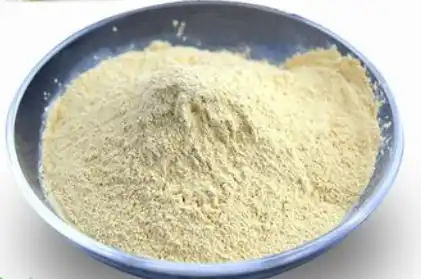
 grow. Stores sell a lot of detox products that contain standardized broccoli seed extract and other plants and nutrients that support it. This is because people trust natural ingredients to help with common health problems. People who buy these products are often told that glucoraphanin is the "hero" ingredient, and what it does and how it helps them. Glucoraphanin is added to green juice blends and wellness shots for busy people by companies that make functional drinks. Forms that only need to be taken once and have 50–100 mg of glucoraphanin and plant extracts that work with it make it easy for busy professionals to get daily health support. Formulations that don't need to be kept cold get rid of the need for a cold chain. This gives you more ways to distribute the product. Nutricosmetics is a new field where the cellular defense properties of glucoraphanin can be used to help people look better from the inside out. A lot of different plant extracts, glucoraphanin, and collagen found in beauty supplements can help your skin in more than one way. The high prices in the cosmetics industry are used to their advantage in this way, which requires the same kinds of approvals as dietary supplements.
Conclusion
When B2B clients are making new health products, glucoraphanin is a great ingredient to use. Cruciferous vegetables naturally have a lot of them, which makes it easy for people to spot and like on the label. Standardized powder forms help them stay on top of their business by giving them the consistency and power they need. Brands can follow the rules and do well in the market if they know the differences between food sources and concentrated extracts, check the quality standards of their suppliers, and use formulation methods that have been shown to work. Adding glucoraphanin to products in a smart way can help them stand out in nutraceutical, functional food, and cosmetic uses as the need for plant-based antioxidants grows. This is because more and more studies show that it is important for living things.
FAQ
1. What distinguishes glucoraphanin from sulforaphane in supplement formulations?
Enzymes use glucoraphanin as a stable building block to change it into sulforaphane. When the temperature goes above 50°C, direct sulforaphane breaks down quickly. Supplements with glucoraphanin, on the other hand, stay stable for longer because the compound is not active until it is used. When you eat something that has both glucoraphanin and myrosinase enzyme in it, the rate of conversion speeds up, just like when you eat fresh broccoli sprouts.
2. How do quality assurance measures differ among glucoraphanin suppliers?
The best suppliers use validated HPLC testing to check the glucosinolate content and purity of each production batch. As part of strict quality standards, tests for microbial safety, heavy metals, pesticide residues, and moisture content must be done. Places that are GMP-certified and have ISO quality management systems show that they plan to keep contamination under control and find it. Independent checks of the safety of ingredients and manufacturing standards are done by third-party certifications from well-known groups.
3. Can glucoraphanin powder cause adverse effects at typical supplement doses?
Drug tests have shown that taking up to 400 mg of pure glucoraphanin every day is safe. When taken in larger amounts, sensitive people may have mild stomach problems, but these are still very uncommon. If you have thyroid issues, you should talk to your doctor before taking concentrated cruciferous extracts. This is because glucosinolates may change how your body uses iodine. Clear instructions for use and the right way to make the product lower safety concerns while increasing consumer benefits.
4. Which regulatory frameworks govern glucoraphanin use in dietary supplements?
DSHEA says that glucoraphanin is a dietary ingredient in the US. This means that it has to follow cGMP rules and make the right claims on the label. New foods might need to be tested before they can be sold in European markets, depending on how they were extracted and how much of the ingredient they contain. A lot of records have to be kept by manufacturers to show that their ingredients are safe, their products are good, and their labels are correct. Rules vary from place to place, so if you want to sell your product internationally, you need compliance strategies that are tailored to each market.
Partner with Angelbio for Premium Glucoraphanin Powder Supply
Angelbio stands as your strategic partner for high-quality sulforaphane glucosinolate ingredients, offering standardized Glucoraphanin Powder manufacturer services backed by 18 years of independent research and development expertise. Our facility integrates advanced extraction technology with rigorous quality control protocols, delivering HPLC-verified powders meeting international pharmaceutical and food-grade standards. We provide comprehensive support, including custom formulation assistance, stability testing, and complete regulatory documentation for seamless global market entry. Whether you require bulk quantities for established product lines or specialized extracts for innovative applications, our technical team collaborates closely with your development specialists to optimize bioavailability and manufacturing efficiency. Contact our procurement specialists at angel@angelbiology.com to discuss your specific requirements, request samples, or explore OEM and private label opportunities that elevate your product portfolio with scientifically credible, naturally derived active ingredients.
References
1. Fahey JW, Zhang Y, Talalay P. Broccoli sprouts: an exceptionally rich source of inducers of enzymes that protect against chemical carcinogens. Proceedings of the National Academy of Sciences. 1997;94(19):10367-10372.
2. Shapiro TA, Fahey JW, Dinkova-Kostova AT, et al. Safety, tolerance, and metabolism of broccoli sprout glucosinolates and isothiocyanates: a clinical phase I study. Nutrition and Cancer. 2006;55(1):53-62.
3. Clarke JD, Dashwood RH, Ho E. Multi-targeted prevention of cancer by sulforaphane. Cancer Letters. 2008;269(2):291-304.
4. Traka MH, Saha S, Huseby S, et al. Genetic regulation of glucoraphanin accumulation in Beneforté broccoli. New Phytologist. 2013;198(4):1085-1095.
5. Angelino D, Dosz EB, Sun J, et al. Myrosinase-dependent and myrosinase-independent formation and control of isothiocyanate products of glucosinolate hydrolysis. Frontiers in Plant Science. 2015;6:831.
6. Atwell LL, Hsu A, Wong CP, et al. Absorption and chemopreventive targets of sulforaphane in humans following consumption of broccoli sprouts or a myrosinase-treated broccoli sprout extract. Molecular Nutrition and Food Research. 2015;59(3):424-433.