



How to use sodium hyaluronate?
Sodium Hyaluronate is a versatile hydrating ingredient that has revolutionized the cosmetics and pharmaceutical industries. This water-soluble salt form of hyaluronic acid can hold up to 1,000 times its weight in water, making it an exceptional humectant for various applications. Understanding proper usage techniques is essential for maximizing its effectiveness in formulations ranging from anti-aging serums to injectable medical devices. The key lies in selecting the appropriate molecular weight grade and concentration levels that align with specific product objectives and target skin penetration depths.
Introduction
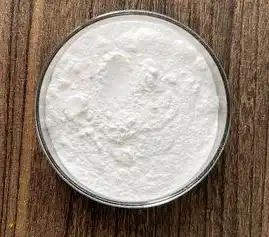
This guide provides a comprehensive overview of sodium hyaluronate, a crucial ingredient widely used in skincare and pharmaceutical applications. Understanding its chemical properties and correct usage is vital for purchasing managers, engineers, distributors, and OEM clients across Europe and America to make informed procurement decisions and optimize product performance. The content emphasizes the importance of selecting appropriate formulations and supplier partnerships to meet high industry standards, helping global B2B clients enhance product reliability and market competitiveness.
Modern industries demand ingredients that deliver consistent results while meeting stringent regulatory requirements. Sodium hyaluronate meets these criteria by offering superior stability compared to liquid hyaluronic acid solutions, extended shelf life, and precise molecular weight control through bio-fermentation processes. These characteristics make it indispensable for formulators seeking reliable performance across diverse product categories.
Understanding Sodium Hyaluronate: Key Basics for Procurement and Application
Sodium hyaluronate, a salt form of hyaluronic acid, is prized for its superior moisturizing and biocompatible properties. This glycosaminoglycan consists of repeating disaccharide units of D-glucuronic acid and N-acetyl-D-glucosamine, creating a naturally occurring polymer that mimics the body's own hydration mechanisms. The sodium salt form offers enhanced stability and solubility compared to native hyaluronic acid, making it ideal for industrial formulation processes.
Chemical Properties and Molecular Structure
The molecular weight of sodium hyaluronate directly influences its biological activity and application suitability. High molecular weight variants (1,500-1,800 kDa) create an occlusive film on skin surfaces, providing immediate moisture retention and smoothing effects. These formulations excel in daily moisturizers and protective creams where surface-level hydration is the primary objective.
Low molecular weight sodium hyaluronate (50-300 kDa) penetrates deeper into the stratum corneum, stimulating cellular renewal processes and supporting collagen synthesis pathways. This penetration capability makes it valuable for intensive treatment serums and pharmaceutical applications where dermal delivery is essential for therapeutic efficacy.
Differentiation from Hyaluronic Acid
While chemically related, sodium hyaluronate demonstrates superior thermal stability and pH tolerance compared to pure hyaluronic acid. The sodium salt modification prevents rapid degradation during manufacturing processes that involve elevated temperatures or alkaline conditions. This stability advantage translates into longer product shelf life and consistent performance across varied storage environments.
How Sodium Hyaluronate Works and Its Molecular Characteristics
The biological mechanisms behind sodium hyaluronate's hydrating effects center on its unique molecular architecture and water-binding capacity. Each molecule creates a three-dimensional network that traps water molecules within its polymeric structure, forming a hydrogel-like matrix that maintains moisture equilibrium in surrounding tissues.
Molecular Weight Influence on Penetration
Scientific research demonstrates that molecular weight significantly affects skin penetration patterns and biological responses. Studies published in the International Journal of Cosmetic Science reveal that low molecular weight sodium hyaluronate can penetrate through hair follicles and intercellular pathways, reaching viable epidermis layers where it influences cellular metabolism and hydration homeostasis.
High molecular weight variants remain primarily at the skin surface, forming a protective barrier that reduces transepidermal water loss. This dual-action approach allows formulators to create products with both immediate and long-term hydration benefits by combining different molecular weight grades in optimized ratios.
Bioactivity and Cellular Interactions
Research from dermatological institutes indicates that sodium hyaluronate interacts with CD44 receptors on keratinocytes, triggering cellular signaling pathways that enhance moisture retention and barrier function. These interactions promote natural hyaluronic acid synthesis within skin tissues, creating a regenerative cycle that supports healthy skin architecture over extended periods.
Practical Guide: How to Use Sodium Hyaluronate in Skincare and Formulation
Understanding optimal application methods ensures maximum efficacy while maintaining product stability and user safety. The concentration ranges and formulation techniques vary significantly based on intended use categories and target performance objectives.
Concentration Guidelines for Different Applications
Cosmetic formulations typically incorporate sodium hyaluronate at concentrations between 0.1% and 2.0%, depending on molecular weight and product positioning. Premium anti-aging serums often utilize 1.0-1.5% concentrations of mixed molecular weights to achieve comprehensive hydration effects across multiple skin layers.
Pharmaceutical applications require higher concentrations, particularly for ophthalmic solutions and intra-articular injections, where viscosity and residence time are critical performance factors. These formulations demand pharmaceutical-grade sodium hyaluronate with endotoxin levels below 0.05 EU/mg to ensure patient safety and regulatory compliance.
Formulation Compatibility and Stability
Successful formulation requires careful consideration of pH levels, ionic strength, and ingredient interactions. Sodium hyaluronate maintains optimal stability within pH ranges of 6.5-7.5, making it compatible with most cosmetic preservative systems and active ingredients. However, certain cationic ingredients can cause precipitation, necessitating careful formulation design or the use of chelating agents.
Temperature control during manufacturing prevents molecular degradation that could compromise product performance. Processing temperatures should remain below 60°C, and rapid cooling protocols help preserve molecular integrity throughout production cycles.
Manufacturing Guidelines and Quality Control
Storage protocols significantly impact sodium hyaluronate powder stability and performance consistency. Proper storage involves maintaining temperatures below 25°C with relative humidity levels under 60% to prevent moisture absorption that could lead to clumping or microbial contamination.
Quality control measures should include molecular weight verification through gel permeation chromatography, moisture content analysis, and endotoxin testing for pharmaceutical-grade materials. These analytical procedures ensure batch-to-batch consistency and regulatory compliance across international markets.
Comparing Sodium Hyaluronate with Other Hydrating Ingredients
This comparative analysis helps procurement experts and R&D teams distinguish sodium hyaluronate from alternative hydrating compounds commonly used in cosmetic and pharmaceutical formulations. Understanding these differences enables informed ingredient selection based on performance requirements and cost considerations.
Performance Comparison with Glycerin and Ceramides
Glycerin offers excellent humectant properties at lower costs but lacks the film-forming characteristics that make sodium hyaluronate superior for long-lasting hydration. While glycerin can attract moisture from the environment, it may also draw moisture from deeper skin layers in low-humidity conditions, potentially causing dryness.
Ceramides excel at barrier repair but require higher concentrations to achieve comparable hydration effects. The combination of sodium hyaluronate with ceramides creates synergistic formulations that address both immediate hydration needs and long-term barrier function improvement.
Efficacy Versus Cost Analysis
Although sodium hyaluronate commands premium pricing compared to traditional humectants, its superior performance justifies the investment for high-end product positioning. The ability to achieve significant hydration benefits at low concentrations reduces overall formulation costs while enabling premium product claims.
Market research indicates that consumers associate sodium hyaluronate with advanced skincare technology, supporting higher retail price points that offset raw material costs. This consumer perception creates opportunities for brand differentiation and improved profit margins across product categories.
Procurement Insights: How to Source and Evaluate Sodium Hyaluronate Suppliers
Focused on supply chain strategy, this segment provides practical criteria for selecting reputable sodium hyaluronate manufacturers and wholesalers. Quality certifications, regulatory compliance, and technical support capabilities form the foundation of successful supplier partnerships.
Quality Certification Requirements
Pharmaceutical-grade sodium hyaluronate requires compliance with USP, EP, or JP pharmacopeial standards, ensuring consistent quality and safety profiles for medical applications. Cosmetic-grade materials should meet INCI nomenclature requirements and demonstrate compliance with regional regulations such as EU Cosmetics Regulation or the FDA guidelines.
ISO 9001 certification indicates established quality management systems, while ISO 22716 specifically addresses cosmetic manufacturing practices. These certifications provide confidence in supplier reliability and product consistency across production batches.
Regional Sourcing Advantages
China has emerged as a dominant supplier of high-quality sodium hyaluronate through advanced bio-fermentation technologies and cost-effective manufacturing processes. Leading Chinese manufacturers invest heavily in research and development, resulting in innovative products that meet international quality standards while offering competitive pricing.
European suppliers often specialize in pharmaceutical-grade materials with extensive regulatory documentation, making them suitable for medical device applications and markets with stringent regulatory requirements. American suppliers typically focus on specialized grades and technical support services for complex formulation challenges.
Due Diligence and Supplier Evaluation
Comprehensive supplier evaluation should include facility audits, analytical testing verification, and supply chain transparency assessment. Reliable suppliers provide detailed certificates of analysis, maintain proper documentation systems, and demonstrate consistent production capacity to meet demand fluctuations.
Technical support capabilities become increasingly important as formulations grow more sophisticated. Suppliers who offer formulation guidance, application testing, and regulatory support create additional value beyond raw material supply, contributing to faster product development cycles and reduced time-to-market.
Conclusion
Sodium hyaluronate represents a cornerstone ingredient for modern cosmetic and pharmaceutical formulations, offering unmatched hydration performance and formulation versatility. Successful implementation requires understanding molecular weight implications, proper concentration selection, and careful attention to formulation compatibility. The ingredient's proven efficacy, combined with growing consumer awareness of its benefits, supports continued market growth and innovation opportunities. Strategic supplier partnerships that emphasize quality, regulatory compliance, and technical support enable formulators to maximize sodium hyaluronate's potential while ensuring consistent product performance and market competitiveness.
FAQ
1. What is the optimal concentration of sodium hyaluronate for anti-aging serums?
Anti-aging serums typically utilize sodium hyaluronate concentrations between 1.0-1.5%, often combining different molecular weights to achieve comprehensive skin benefits. Low molecular weight variants at 0.3-0.5% provide penetration and cellular stimulation, while high molecular weight grades at 0.5-1.0% create surface hydration and immediate smoothing effects.
2. How does molecular weight affect sodium hyaluronate performance in formulations?
Molecular weight directly influences penetration depth and biological activity. High molecular weight sodium hyaluronate (above 1,000 kDa) remains at the skin surface, providing immediate occlusive benefits and film formation. Low molecular weight variants (below 500 kDa) penetrate into deeper skin layers, supporting cellular renewal and long-term hydration improvement.
3. What storage conditions maintain sodium hyaluronate powder stability?
Sodium hyaluronate powder requires storage at temperatures below 25°C with relative humidity under 60%. Sealed containers prevent moisture absorption that could cause clumping or microbial contamination. Proper storage maintains molecular integrity and extends shelf life up to three years from the manufacturing date.
4. Can sodium hyaluronate be combined with vitamin C and retinol in formulations?
Sodium hyaluronate demonstrates excellent compatibility with vitamin C and retinol, often enhancing their stability and reducing potential irritation. The hydrating properties help buffer the drying effects of retinoids while supporting vitamin C penetration. pH optimization remains crucial for maintaining ingredient stability in combined formulations.
Partner with Angelbio for Premium Sodium Hyaluronate Solutions
Angelbio stands as your trusted sodium hyaluronate supplier, combining 18 years of independent R&D expertise with cutting-edge bio-fermentation technology to deliver pharmaceutical and cosmetic-grade ingredients that exceed international quality standards. Our comprehensive product portfolio spans multiple molecular weight ranges, supported by rigorous quality control systems and complete regulatory documentation for global markets. Whether you require bulk sodium hyaluronate for large-scale production or specialized grades for innovative formulations, our technical team provides expert guidance throughout the development process. Contact our specialists at angel@angelbiology.com to explore how our premium sodium hyaluronate solutions can enhance your product performance and market competitiveness.
References
1. Papakonstantinou, E., Roth, M., & Karakiulakis, G. (2012). Hyaluronic acid: A key molecule in skin aging. Dermato-endocrinology, 4(3), 253-258.
2. Bukhari, S. N. A., Roswandi, N. L., Waqas, M., Habib, H., Hussain, F., Khan, S., ... & Arshad, M. (2018). Hyaluronic acid, a promising skin rejuvenating biomedicine: A review of recent updates and pre-clinical and clinical investigations on cosmetic and nutricosmetic effects. International journal of biological macromolecules, 120, 1682-1695.
3. Stern, R., Asari, A. A., & Sugahara, K. N. (2006). Hyaluronan fragments: an information-rich system. European journal of cell biology, 85(8), 699-715.
4. Juncan, A. M., Moisă, D. G., Santini, A., Morgovan, C., Rus, L. L., Vonica-Țincu, A. L., & Loghin, F. (2021). Advantages of hyaluronic acid and its combination with other bioactive ingredients in cosmeceuticals. Molecules, 26(15), 4429.
5. Fallacara, A., Baldini, E., Manfredini, S., & Vertuani, S. (2018). Hyaluronic acid in the third millennium. Polymers, 10(7), 701.
6. Zhai, P., Peng, X., Li, B., Liu, Y., Sun, H., & Li, X. (2020). The application of hyaluronic acid in bone regeneration. International journal of biological macromolecules, 151, 1224-1239.