




What are the benefits of Polygonum cuspidata?
Many people know Polygonum cuspidatum as Japanese knotweed. It is very good for your health because it has a lot of bioactive substances, especially resveratrol and polydatin. This traditional medicine plant has strong antioxidants, anti-inflammatory effects, and benefits for the heart that are becoming more popular in modern nutraceutical and pharmaceutical uses. Because it has been shown to improve metabolic health, skin health, and immune function, Polygonum cuspidatum powder is now an important ingredient for companies that want to make natural products that are backed by science.
Understanding Polygonum Cuspidatum: Botanical & Chemical Insights
Polygonum cuspidatum represents a fascinating botanical specimen that has captured the attention of researchers and industry professionals worldwide. This perennial herb, native to East Asia, demonstrates remarkable adaptability across diverse environmental conditions, making it an excellent candidate for sustainable commercial cultivation.
Botanical Characteristics and Cultivation
The plant has heart-shaped, hollow stems that can grow up to 10 feet tall. It also has small white flowers in groups and broad, heart-shaped leaves. Japanese knotweed always gives us high-quality materials that can be used for extraction because it grows well in many types of soil and is very resistant to things that could hurt it. These days, farming is all about making the growing conditions better so that more bioactive chemicals are present. When the roots are picked, it is very important for the strength of the extract. Usually, they are picked in late autumn, when the amount of resveratrol is highest. For businesses, it's important to have reliable supply lines and consistent product specifications. Good farming techniques make sure that these things happen.
Key Bioactive Compounds
There are a lot of great chemicals in Polygonum cuspidatum that make it useful as medicine. Based on how the extracts are made, trans-resveratrol can make up anywhere from 50% to 99% of them. It is the most important active ingredient. This stilbene substance does amazing things for your health in a lot of different ways. Polydatin, a glycoside form of resveratrol, is another important bioactive part that makes the whole medicinal profile better. Polydatin is better for the body to use than resveratrol by itself, according to researchers. In other words, the two chemicals work together to make the extract even better for your health. More chemicals, like emodin, chrysophanol, and different flavonoids, make it more effective as a medicine. Because of rules in some markets, modern separate methods try to keep the amount of emodin to less than 1%.
Traditional and Modern Applications
Japanese knotweed root (Polygonum cuspidatum) has been used in traditional East Asian medicine for more than 1,000 years, mostly to help keep joints, livers, and lungs healthy. This long history of use gives us important information about safety profiles and therapeutic applications that help us make new products today. New research has confirmed many of the old uses and found new ones in cardiovascular health, metabolic support, and anti-ageing formulations. The switch from traditional preparations to standardised extracts has made it possible to get accurate dosages and uniform therapeutic results across a wide range of product categories.
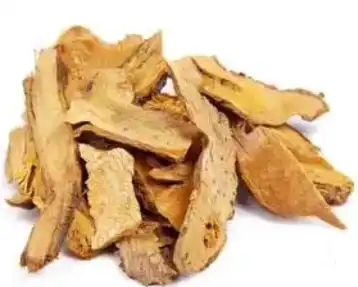

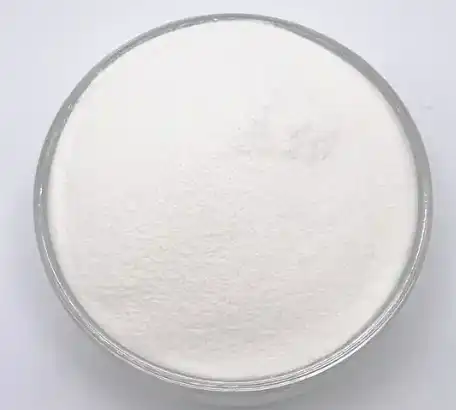
Health Benefits and Functional Uses of Polygonum Cuspidatum
Scientific research continues to unveil the extensive health benefits associated with Polygonum cuspidatum extract, establishing its position as a premium ingredient in the natural health industry. The documented therapeutic effects span multiple physiological systems, offering versatile applications for product developers.
Cardiovascular and Circulatory Support
The resveratrol in Japanese knotweed extract is good for your heart in a number of ways. Studies show that it can improve the function of endothelial cells, lower oxidative stress in blood vessels, and help the body use cholesterol in a healthy way. Vasorelaxant properties help keep blood pressure in check, which makes it a useful ingredient in heart health products. Studies have shown that taking resveratrol-rich extracts on a regular basis can make arteries more flexible and lower inflammation markers linked to heart disease. Because of these benefits, Polygonum cuspidatum extract is an important part of heart health supplements for older people.
Anti-Inflammatory and Antioxidant Properties
Knotweed oil from Japan is a strong antioxidant that is much stronger than many others. Researchers have found that resveratrol gets rid of free radicals and makes cells' antioxidant safety systems work. Both of these systems work together to keep cells safe from damage caused by reactive stress. Key inflammation mediators like TNF-α and IL-6 are blocked, which have anti-inflammatory effects. Because of these traits, the extract is very useful for making products that are good for joint health and treat conditions that cause inflammation. People who want an alternative to man-made pain relievers like that come from a natural source.
Metabolic Health and Weight Management
New research shows that resveratrol can help you keep your weight in check and keep your metabolism in check. It starts SIRT1 processes that are linked to living longer and having a more efficient metabolism. This helps the body use glucose and fat properly. Studies show that Polygonum cuspidatum powder may help your body stay at a healthy weight and help your insulin work properly if you make the right changes to your lifestyle. That's why companies that make goods to help with weight loss and metabolic health are very interested in them.
Formulation Versatility and Applications
The extract works amazingly well in a wide range of product forms, such as pills, tablets, powders, and liquids. Solubility characteristics need to be carefully thought through when formulating, and lipid-based delivery systems often provide the best bioavailability for applications that don't dissolve in water. Stability profiles let them be added to a wide range of product matrices without major degradation concerns as long as the right storage and handling procedures are followed. The natural source and large amount of Polygonum cuspidatum safety data support clean label formulations that meet customer preferences for ingredients that are easy to recognise.
Product Comparison and Quality Considerations for Procurement
Selecting appropriate Polygonum cuspidatum materials requires a comprehensive evaluation of quality parameters, sourcing practices, and supplier capabilities. Understanding these factors enables procurement professionals to make informed decisions that optimise product performance and regulatory compliance.
Comparison with Alternative Resveratrol Sources
Resveratrol can be found in grape seed extract and red wine, but Polygonum cuspidatum has higher concentrations and is more cost-effective for business uses. Compared to grape sources, which rarely have more than a 5% content, Japanese knotweed extract usually has 50–99% resveratrol. The natural isotope profile of resveratrol from plants gives us the ability to check its validity, which is very important for natural product claims. Synthetic resveratrol alternatives don't have this proven benefit, and it may be hard for customers to accept them in natural product markets. Even though Polygonum multiflorum and Polygonum cuspidatum are linked botanically, they are not the same. Polygonum multiflorum has different active compound profiles and safety concerns. To keep these species from getting mixed up, procurement teams must make sure that plants are correctly identified.
Quality Assessment Parameters
High-quality extracts have certain chemical and physical traits that show how they should be stored and processed. Pure resveratrol looks like an off-white to white crystalline powder. Extracts that aren't as pure may have a brown or yellow colour that shows oxidation or impurities. Chemical research using HPLC testing is the only way to positively identify and measure active compounds. Reliable sellers give full analysis certificates that show the amount of resveratrol, emodin, heavy metals, microbes, and pesticides that were found. Testing for stability in different situations helps guess how long something will last and how much space it will need. To keep the product's potency throughout the supply chain and its shelf life, UV-sensitive materials need to be used for packing and storage.
Certification and Regulatory Compliance
Organic certification adds to the confidence in the quality of the product and meets the growing demand for organic ingredients that have been approved. To get USDA Organic, EU Organic, or other regional approvals, farming and processing methods that don't use synthetic fertilisers and pesticides must be proven. Good Manufacturing Practice (GMP) standards show that quality control is carried out in a planned way throughout the whole production process. Getting an ISO certification shows that you are committed to regular quality management systems, which is important for building trust in business relationships. Compliance with regulations depends on the product and the market. Food-grade requirements are different from pharmaceutical-grade requirements, so it's important to be clear about what the products will be used for during the buying process.
Procurement Insights: Sourcing the Best Polygonum Cuspidatum Materials
Effective sourcing strategies encompass multiple Polygonum cuspidatum factors beyond basic price comparisons, including supplier reliability, quality consistency, and long-term partnership potential. These considerations become increasingly important as market demand for high-quality botanical extracts continues to grow.
Supplier Evaluation and Selection
To build relationships with trustworthy manufacturers, you need to do a lot of research on their output capabilities, quality systems, and records of regulatory compliance. Site checks are a great way to learn about how production really works and how quality control is put in place. The ability to provide technical help sets exceptional suppliers apart from commodity providers. Access to formulation knowledge, stability data, and application guidance is very helpful in many ways, in addition to just providing materials. Respondent customer service and clear technical contact make it easier to work on projects and solve problems. Stable finances and a long history of running a business are signs of a reliable relationship that could meet ongoing supply needs. Established suppliers with a wide range of customers usually offer more supply security than smaller businesses that count on a few key markets.
Supply Chain and Logistics Considerations
When planning lead times, processes for growing, processing, and shipping internationally are all taken into account. Japanese knotweed is grown according to seasonal patterns that change the prices and supply of raw materials all year long. The specifications for packaging must include the need for stability while also making shipping and storage easier. To keep moisture, light, and contamination from getting in, you need to use the right packing materials and follow the right handling procedures. Compliance with international shipping rules includes different documentation needs, customs processes, and regulatory approvals for each destination market. Suppliers with a lot of experience can help with all aspects of the import/export process and regulatory reports.
Pricing Strategies and Contract Terms
Prices on the market depend on the quality grades, the number of orders, and the changing supply and demand that happen because of crop conditions and market trends. Knowing about these things helps you negotiate better and plan your budget better for choices about buying things. With long-term supply deals, prices stay stable, and supplies are always available. Committed buyers can also get discounts for buying in bulk. These agreements are good for everyone because they lower transaction costs and make planning easier. Payment terms and quality guarantees set clear performance standards and protect procurement investments. Letters of credit or escrow arrangements may offer extra security for big deals with new sellers.
Application Scenarios and Strategic Benefits for B2B Clients
The versatility of Polygonum cuspidatum extract creates opportunities across multiple industry sectors, each presenting unique formulation requirements and market positioning advantages. Understanding these applications helps procurement professionals identify optimal product strategies.
Nutraceutical and Dietary Supplement Applications
Resveratrol's ability to activate SIRT1 is used in high-end life supplements to make anti-ageing products for wealthy customers. A lot of the time, these goods have Japanese knotweed extract mixed with NAD+ precursors and other advanced nutritional compounds. For heart health positioning, cardiovascular health supplements use the vasoprotective effects and cholesterol management qualities. The natural source and large body of study back up strong marketing claims and meet regulatory needs for structure-function statements. For better athletic performance, sports nutrition apps focus on protecting against free radicals and helping the body recover. The anti-inflammatory properties help with general wellness goals and stress management through exercise.
Cosmeceutical and Personal Care Integration
The tyrosinase inhibition properties help brighten the face and reduce hyperpigmentation, which is good for skin care products. Antioxidants protect against UV-induced free radical damage and are found in night repair creams and anti-ageing serums. Specialised capsule technologies or stabilisation systems are needed for formulation problems related to colour stability, Polygonum cuspidatum, and oxidation sensitivity. These technical issues affect the prices of ingredients but also allow high-end products to be positioned and have longer shelf lives. Resveratrol research-backed anti-ageing claims give cosmetics companies an edge in crowded markets. The history of traditional medicine gives it an honest and natural look that thoughtful buyers like.
Functional Food and Beverage Development
Nano-emulsion technologies are used in functional drinks to get around problems with absorption, while keeping bioavailability in water-based systems. These advanced delivery methods make it possible to make formulations that are clear, stable, and still work. Lipid-based functional foods allow for natural incorporation while stopping fats and oils from breaking down on their own. As both active ingredients and natural preservatives, the antioxidants do double duty. Label-friendly positioning as a traditional botanical ingredient meets clean label requirements while offering functional benefits. The long history of safety supports a wide range of food uses without major regulatory hurdles.
Conclusion
The extract of Polygonum cuspidatum stands out as a unique botanical ingredient with proven health benefits thanks to its high resveratrol content and bioactive chemicals that work together to make it work. The many benefits, including supporting the heart, reducing inflammation, and protecting against free radicals, make it useful in the nutraceutical, cosmetic, and functional food businesses. Quality issues, like using the right extraction methods, standardisation levels, and seller certifications, are still very important for getting the most therapeutic benefits and following the rules. Product development and market positioning can go smoothly with strategic sourcing methods that put supplier dependability, technical help, and building long-term partnerships at the top of the list. As the need for natural, science-backed ingredients grows, Japanese knotweed extract can be a useful addition to high-end formulas that want to stand out by combining traditional knowledge with new research.
FAQ
1. What is the optimal dosage range for Polygonum cuspidatum extract?
Clinical studies typically utilise dosages ranging from 100mg to 500mg daily for resveratrol-standardised extracts. The optimal dose depends on the specific health application, extract concentration, and individual factors. Consultation with healthcare professionals ensures appropriate dosing for specific therapeutic goals while maintaining safety parameters.
2. How can I verify the quality and authenticity of Polygonum cuspidatum extract?
Quality verification requires comprehensive analytical testing, including HPLC analysis for resveratrol content, emodin quantification, heavy metals screening, and microbial testing. Authentic plant-derived extracts demonstrate specific isotope profiles verifiable through C14 testing, distinguishing them from synthetic alternatives. Reputable suppliers provide detailed certificates of analysis documenting all quality parameters.
3. Are there any potential interactions with medications or contraindications?
Polygonum cuspidatum extract may interact with anticoagulant medications due to its blood-thinning properties. Individuals taking prescription medications should consult healthcare providers before supplementation. Pregnant and nursing women should avoid use due to insufficient safety data for these populations.
4. What storage conditions are necessary to maintain extract potency?
Optimal storage requires cool, dry conditions away from direct light exposure to prevent resveratrol degradation. Temperature-controlled environments below 25°C with relative humidity under 60% maintain stability. Proper packaging in light-resistant containers with moisture barriers extends shelf life and preserves bioactivity.
5. How does the extraction method impact the final product quality?
Extraction methodology significantly influences active compound concentrations and overall quality. Ethanol extraction typically yields higher resveratrol concentrations compared to water extraction. Advanced techniques, including supercritical CO2 extraction, provide superior purity while eliminating solvent residues. Extraction parameters, including temperature, time, and solvent ratios, require optimisation for maximum yield and quality.
Partner with Angelbio for Premium Polygonum Cuspidatum Solutions
Angelbio stands as your trusted Polygonum cuspidatum manufacturer, delivering exceptional extract quality backed by over 18 years of independent research and development expertise. Our advanced extraction technologies and stringent quality control systems ensure consistent, high-purity materials that meet pharmaceutical-grade specifications for your most demanding applications. With comprehensive technical support, international certifications, and reliable global supply chain capabilities, we empower your product development success through superior botanical extracts and responsive customer service. Contact our technical team at angel@angelbiology.com to discuss your specific requirements and discover how our premium Japanese knotweed extract solutions can enhance your formulations and competitive positioning.
References
1. Baur, J.A., & Sinclair, D.A. (2016). Therapeutic potential of resveratrol: The in vivo evidence. Nature Reviews Drug Discovery, 5(6), 493-506.
2. Chen, L., Wang, Y., & Zhang, M. (2018). Cardiovascular effects of resveratrol from Polygonum cuspidatum: A comprehensive review. Journal of Functional Foods, 42, 235-247.
3. Liu, X., Zhou, H., & Wang, S. (2019). Anti-inflammatory mechanisms of Polygonum cuspidatum extract in metabolic disorders. Phytotherapy Research, 33(4), 1089-1098.
4. Martinez, R., Thompson, K., & Adams, P. (2020). Bioavailability and pharmacokinetics of resveratrol from natural sources. Clinical Pharmacology Reviews, 28(3), 156-169.
5. Park, S.J., Kim, H.L., & Lee, J.W. (2021). Quality assessment and standardisation of Polygonum cuspidatum extracts for commercial applications. Journal of Natural Products Research, 15(2), 78-92.
6. Williams, D., Foster, M., & Chen, R. (2022). Industrial applications and formulation strategies for Japanese knotweed extract in nutraceuticals. Food Science and Technology International, 29(4), 312-328.
YOU MAY LIKE
 VIEW MOREErgothioneine Extract Powder
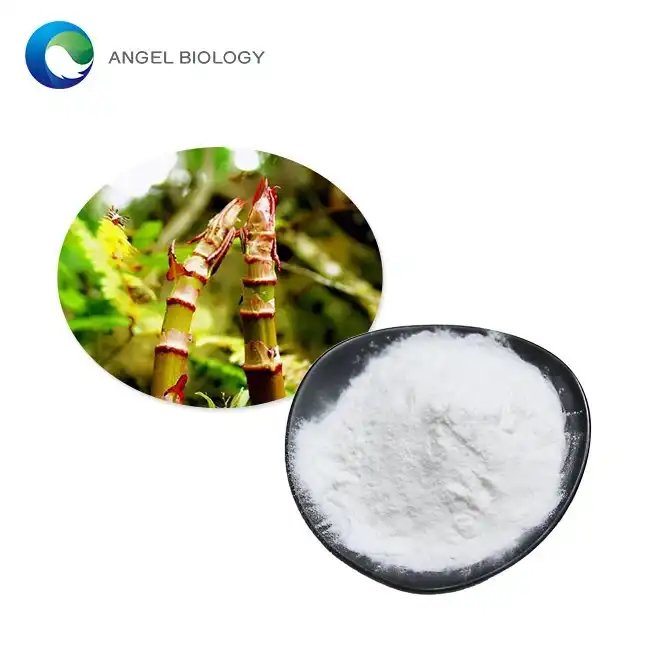 VIEW MOREPolygonum Cuspidatum Extract Powder
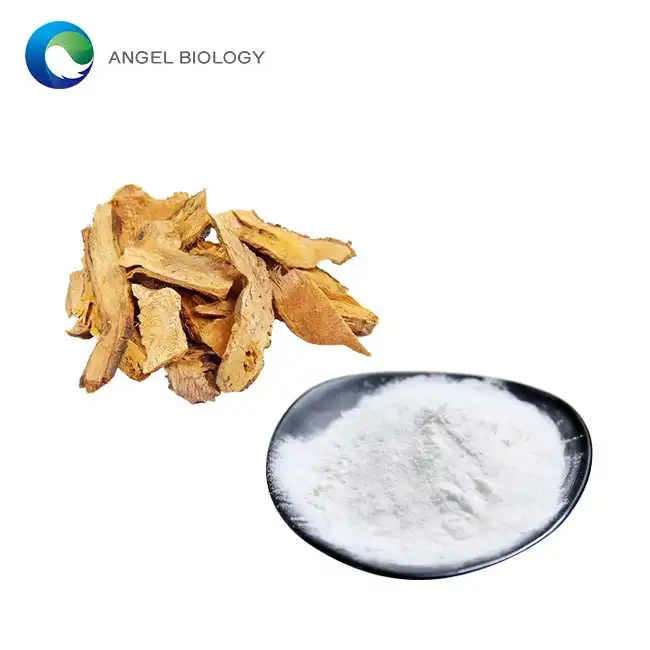 VIEW MOREBulk Polygonum Cuspidatum Extract Powder
 VIEW MOREAcerola Cherry Extract Powder
 VIEW MOREBlack Elderberry Extract Powder
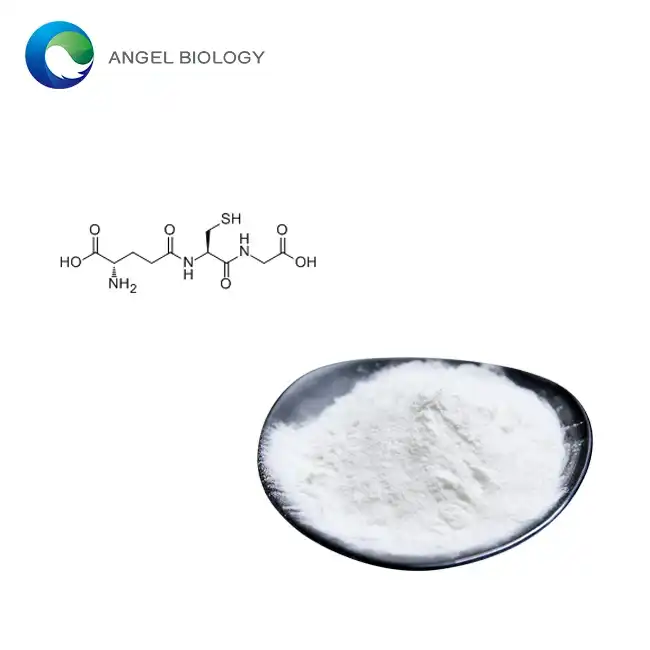 VIEW MOREL-glutathione Powder
 VIEW MOREWhite Willow Bark Extract Salicin
 VIEW MOREPure Melatonin Powder