



How White Willow Bark Extract Salicin Reduces Inflammation
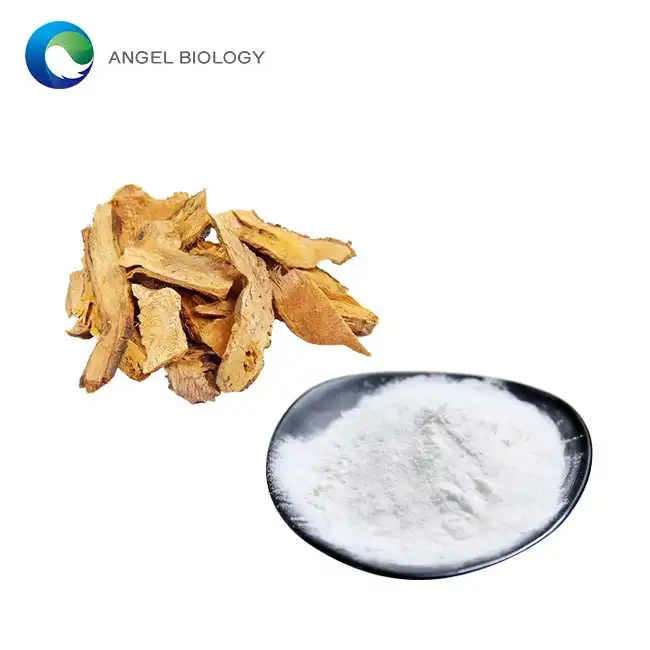
White Willow Bark Extract Salicin reduces inflammation through a well-established biochemical pathway. Once ingested, salicin—a naturally occurring glycoside—converts into salicylic acid during metabolism. This active metabolite inhibits cyclooxygenase (COX) enzymes, particularly COX-2, which are responsible for producing prostaglandins that trigger inflammatory responses. Unlike synthetic alternatives, salicin offers a time-released conversion mechanism, providing sustained anti-inflammatory activity with a gentler gastrointestinal profile. The extract's co-occurring polyphenols and flavonoids enhance this effect through antioxidant pathways, creating a synergistic action that addresses inflammation more comprehensively than isolated compounds.
Introduction
The market for natural products around the world keeps growing as companies look for "clean label" options that appeal to health-conscious customers. For procurement professionals trying to make sense of this situation, White Willow Bark Extract Salicin is a strong option that has been used for hundreds of years and is now supported by modern science. This guide talks about the important things that R&D leaders, formulation managers, and procurement teams need to think about when they need ingredients that are of uniform quality, have been shown to work, and are legal in all situations.
Knowing how salicin works at the molecular level helps you make better choices about where to get your supplies. Procurement professionals who work with cosmetics, nutraceutical companies, and functional food brands need accurate data to back up the choices they make about which ingredients to use. This detailed summary looks at the botanical sources, comparative benefits, quality standards, and practical buying methods needed to include white willow bark extract in commercial products. We want to give you actionable intelligence that makes evaluating suppliers easier and makes sure your products meet the market's needs for natural, effective solutions.


What Is White Willow Bark Extract Salicin?
Botanical Origins and Historical Context
Salix alba is a tree species that grows naturally in Europe and Central Asia and is where White Willow Bark Extract Salicin comes from. In ancient times, people like Hippocrates and other Greek doctors wrote about how it was used to treat pain and lower heat. The main bioactive compound in the bark is salicin. Other bioactive compounds in the bark are salicortin, tremulacin, flavonoids like isoquercitrin and naringin, and tannins. These extra substances add to the cellular activity of the extract in more ways than just stopping COX.
In traditional medicine, willow bark infusions were used for a variety of purposes. This created an empirical basis that current studies have confirmed. In the early 1800s, salicin was isolated, which led to the creation of acetylsalicylic acid, which is also known as aspirin. However, the natural extract has different pharmacokinetic properties from its man-made counterpart.
Chemical Structure and Metabolic Pathway
Salicin (C13H18O7) is a prodrug, which means it needs to be changed by metabolism before it can work in the body. When taken by mouth, salicin is broken down by bacteria in the gut and enzymes in the liver into saligenin. Saligenin then goes through more oxidation to make salicylic acid. This multi-step process provides a delayed-release effect that keeps beneficial plasma concentrations higher for longer than synthetic salicylates while lowering the side effects that come with high concentrations.
A glucose part is connected to salicyl alcohol through a β-glycosidic bond in the molecular structure. This arrangement changes how the chemical dissolves, making it somewhat water-soluble and compatible with both water-based and alcohol-based formulation methods. Formulators can make end goods more bioavailable and stable by understanding these physicochemical qualities.
Mechanism of Anti-Inflammatory Action
Salicylic acid's anti-inflammatory effects come from its ability to stop the production of prostaglandins by blocking COX enzymes. Inflammatory mediators are what cause heat, swelling, and pain. This action stops the production of these mediators. In addition to blocking COX, studies show that salicin affects the nuclear factor kappa B (NF-κB) signalling pathways, which control the production of genes that cause inflammation. When compared to single-pathway treatments, this dual mechanism offers a more complete way to control inflammation.
In addition to their anti-inflammatory benefits, the polyphenolic parts of the extract also act as antioxidants. These chemicals balance out reactive oxygen species that are made during inflammation, which may lower oxidative stress in tissues that are affected. This entourage effect sets whole-plant extracts apart from synthetic chemicals that are used alone. It gives formulators the chance to make more complete product claims.
Comparing White Willow Bark Extract Salicin to Other Pain Relief Options
Salicin Versus Synthetic Aspirin
Salicin and aspirin both make salicylic acid in the end, but their chemical effects are very different. Aspirin works quickly because it is absorbed directly, but White Willow Bark Extract Salicin works more slowly because it is changed by the body's metabolism. Based on clinical findings, this slower conversion may lower stomach irritation, which is a typical problem with aspirin use. The natural substance doesn't permanently acetylate COX enzymes as aspirin does. This could be helpful in situations where temporary enzyme blockage is better.
Procurement teams evaluating these options should consider target demographics and product positioning. People are choosing plant chemicals more and more because they think they are safer than synthetic drugs. This market choice can help brands stand out, especially when it comes to clean-label vitamin formulas aimed at health-conscious customers. The natural beginning fits with stories about sustainability that are popular in the market today.
Comparison with Turmeric and Other Botanicals
Another well-known natural pain reliever is turmeric extract that has been standardised to curcuminoids. Even though curcumin and salicin work in different ways, mainly by changing NF-κB and directly acting as an antioxidant, their effects work better when mixed together. Some formulators use this synergy to their advantage by mixing different botanicals to get more activity than single ingredients can offer.
Boswellia serrata extract and ginger root extract are two more options that work in different ways. Boswellic acids stop the action of 5-lipoxygenase pathways, and gingerols change a number of inflammation chemicals. Each plant gives different problems when it comes to preparation, like how to make it dissolve, stay stable, and be uniform. Salicin is easy for R&D teams working on new products to use because it dissolves easily in water and can be analysed using well-known methods.
Safety Profile Considerations
White willow bark extract has been shown to be well tolerated in clinical tests, but it shouldn't be used by people who are allergic to aspirin. People who work in procurement must make sure that suppliers provide full safety paperwork, which should include information about how the materials might mix with anticoagulants. In contrast to some plants with complicated constituent profiles, salicin's metabolism is well known, which makes it easier to measure safety and submit to regulatory bodies.
When compared to manufactured salicylates, the time-released conversion process lowers the risk of acute gastrointestinal events. Because of this, supplement companies that want to reach people who are worried about their gut health are very interested in willow bark extract. Making these benefits clear helps products stand out in crowded markets, while still making claims that are true and based on evidence.
Dosage, Effectiveness, and Use Cases for White Willow Bark Extract Salicin
Standardization and Quality Control Parameters
Standardised high-quality extracts have certain amounts of salicin, usually between 15% and 98%. Lower amounts (15–25%) keep the whole range of co-actives, which gives the entourage effect we talked about earlier. Higher purity grades (50–98%) get closer to the specifications for active pharmaceutical ingredients (APIs), making them good for uses that need accurate dosing calculations. So that they can meet legal standards and reach their formulation goals, procurement teams have to set standardisation levels for White Willow Bark Extract Salicin.
High-Performance Liquid Chromatography (HPLC) analysis is still the best way to figure out how much salicin there is. UV spectrophotometry is not very specific, and compounds that interfere with it can lead to wrong results. High-Performance Thin-Layer Chromatography (HPTLC) fingerprinting proves the identity of the plant and finds signs of possible adulteration with cheaper Populus species or fake salicin spikes. These quality control steps protect the image of the brand and make sure that the product always works the same way.
Clinical Evidence and Application Scenarios
Several research studies have looked at how well willow bark extract works in different situations. Studies on osteoarthritis and lower back pain show improvements that are statistically significant when compared to groups that were given a placebo. Extracts standardised to 120–240 mg salicin daily were given in two or three separate doses as part of normal dosing methods in these studies. These factors, which are based on proof, help supplement makers make products that are marketed as helping with joint health and mobility.
Another area with a lot of potential is sports nutrition. Following hard workouts, athletes who want to heal naturally may benefit from salicin's anti-inflammatory qualities. The plant-based origin fits with efforts to promote clean sports and with consumer preferences for ingredients that are easy to recognise. Formulation managers can use this positioning to set recovery-focused products apart in markets with a lot of competition.
Formulation Compatibility and Stability
Salicin is stable at temperatures up to 80°C, which means it can be used in hot-fill drinking uses and cosmetic emulsions that need to be heated. Because the substance is hygroscopic, it needs to be stored in the right way. It will not harden or crystallise if it is kept in airtight containers that are kept away from humidity. Knowing these physical properties helps manufacturing teams get the best results when it comes to processing and shelf life.
Because it is soluble, willow bark extract can be used in a variety of ways. Extracts in water work well in functional drinks and liquid supplements, while powders work well in capsules and tablets. The substance is used to make serums and creams for cosmetics because it has anti-inflammatory qualities that back up claims that the skin is healthy. This ability to be used in multiple industries opens up more market possibilities for companies that distribute ingredients to a wide range of clients.
Guide to Procuring White Willow Bark Extract Salicin for B2B Clients
Critical Quality Certifications and Documentation
When evaluating suppliers, people who work in procurement need to check a number of certifications for White Willow Bark Extract Salicin. Certification in Good Manufacturing Practice (GMP) shows that quality methods are being followed, which is important for making pharmaceutical-grade products. Organic approvals from well-known groups like the USDA and the EU back marketing claims about clean labels and command higher prices in consumer markets. ISO certifications for quality management and food safety (ISO 9001, ISO 22000) give even more proof that operations are run perfectly.
Third-party testing records should include certificates of analysis (CoA) for each production batch that prove the amount of salicin, heavy metals, chemical residues, and microbes that are present. Suppliers should easily provide method proof data that shows how well they can do analysis. Transparency in quality paperwork helps regulatory applications in target markets and builds trust.
Supplier Evaluation Criteria
Reliable providers make sure that the specs of their products stay the same across multiple batches, which shows that they have strong quality control systems. To check for batch-to-batch variability, procurement teams should ask for past CoA data; too much variation could mean there are problems with buying or processing. When products are popular and need to be made in larger quantities, manufacturing capacity becomes very important. To keep supply chains running smoothly, suppliers should explain production volumes, lead times, and inventory management strategies.
Premium suppliers are different from basic suppliers because they offer technical help. It's very helpful to be able to talk to formulation scientists who can give you advice on the best ways to incorporate ingredients, test for stability, and plan your regulatory strategy. Suppliers that offer private label services, custom blending, and specialised packaging options help brands that are working on their own formulations get into the market faster.
Contamination Risk Management
Because the bark tissue is exposed to the environment, pesticides and heavy metals may build up in it. Testing that is very strict and follows USP 561 guidelines for pesticide residues keeps people safe and protects the brand's reputation. Heavy metal standards should keep levels below 10 parts per million (ppm), paying special attention to levels of lead, cadmium, arsenic, and mercury.
Economic adulteration is another risk factor in the supply chains of plants. Carbon-14 isotope tests can find spiking of synthetic salicin or salicylic acid, which is a form of fraud that hurts statements about natural products. HPTLC fingerprinting shows that the species is Salix and rules out cheaper options. These steps should be built into the seller qualification process by procurement workers, especially when starting new supply relationships.
Pricing Dynamics and Market Trends
The price of white willow bark extract depends on how standardised it is, if it is certified, and how much you order. Standard 15–25% salicin extracts usually have moderate to high prices, while high-purity 98% isolates cost more because they have to be processed more carefully. Organic-certified products cost 20–40% more than normal sources, but the extra money is usually worth it because people are willing to pay it.
The stability of prices is affected by changes in global supply. European suppliers have traditionally been the main ones who make high-quality extracts, but Asian suppliers are becoming more and more competitive. Strategies for buying things should find a balance between lowering costs and making sure quality and supply reliability. Long-term supply deals with well-known producers keep prices stable and give producers more power when supplies are low.
Why Choose Angelbio's White Willow Bark Extract Salicin?
Advanced Technology for Extraction and Quality Control
Angelbio uses cutting-edge extraction technologies along with more than 18 years of independent research and development experience to make high-quality White Willow Bark Extract Salicin. Our special hydro-alcoholic extraction method keeps all the beneficial chemicals and achieves exact standardisation levels ranging from 15% to 98% salicin content. Modern HPLC analytical tools make sure that every batch meets all the requirements, giving your formulations the consistency they need.
Our plant follows strict GMP guidelines and has full quality control systems that cover everything from checking the raw materials to releasing the finished product. During processing, there are several checks that are made to make sure the plants are what they say they are. These include HPTLC fingerprinting to prove biological identity, Carbon-14 testing to rule out synthetic adulteration, and thorough screening for contaminants that goes beyond international safety standards. This multi-level approach to quality control gives procurement teams the trust they need to follow rules in global markets.
Full certifications and help with regulations
Angelbio keeps up with its organic standards, which are recognised in most markets around the world and help clean-label marketing strategies. Our high-quality paperwork includes technical data sheets with lots of details, safety data sheets, allergen statements, and summaries of the regulatory situation in key areas like the US, EU, and Asia-Pacific. This documentation package speeds up the time it takes to develop a product and makes it easier to submit it to regulators.
There are many benefits to the investment that Angel Holding Group and the Institute of Life and Health Research at Xi'an Jiaotong University made together. Working with academics keeps our R&D team on the cutting edge of new developments in extraction science and analytical methods. This institutional support ma kes sure that manufacturing efficiency and product quality are always getting better. We pass these benefits on to our customers through low prices and new technologies.
Flexible supply options and a partnership with the customer
Angelbio's production ability can handle a wide range of business models, whether you need big amounts for mass production or unique custom formulations. We offer private label services that speed up your time to market. These services include custom mixing, specific particle size requirements, and custom packing options. Our expert team works closely with clients to improve recipes by helping with stability tests and giving advice on how to use the products.
Dependability in the supply line is the key to making relationships work. Angelbio keeps strategic inventories of raw materials and established logistics networks that make sure deliveries happen on time every time. Our customer service team keeps you up to date on the progress of your orders, changes to regulations, and market information that helps you stay ahead of industry trends. We think of our ties with clients as long-term partnerships, and your success shows how committed we are to doing our best.
Conclusion
White Willow Bark Extract Salicin is a powerful natural ingredient that has been used for a long time and has been proven to work by modern science. Its unique metabolic pathway gives it long-lasting anti-inflammatory effects and good tolerability, meeting consumer demand for natural alternatives. Professionals in procurement can benefit from learning about the extract's quality factors, comparative advantages, and wide range of uses in the functional food, cosmetics, and supplement industries. Thoroughly checking suppliers by looking at their certifications, analytical skills, and how they handle contamination risks protects the brand's reputation and makes sure they follow the rules. As the market for natural ingredients continues to grow, strategic sourcing partnerships with dependable suppliers like Angelbio will help your products do well in the world's competitive markets.
FAQ
1. How does white willow bark extract compare to synthetic aspirin in safety?
When compared to manufactured aspirin, White Willow Bark Extract Salicin has a better profile for stomach tolerance. The gradual change of salicin to salicylic acid leads to lower peak plasma concentrations, which lowers the chance of irritation. Clinical studies show that people who use plant products have fewer digestive problems than people who use manufactured options. People who are sensitive to aspirin should be careful, though, because both compounds eventually turn into salicylic acid. Labels that are clear and education for customers make sure that products are used correctly.
2. What dosage ranges are effective for anti-inflammatory applications?
In clinical trials, extracts that are standardised to deliver 120–240 mg of salicin daily, spread out over several doses, are usually used. Higher purity extracts (50–98% salicin) allow for more concentrated formulations, but lower standardisation extracts (15–25% salicin) need relatively larger dose sizes to reach goal dosages. Teams in charge of buying things should set standardisation levels that are in line with the sizes and formats that will be used. When making successful dosing methods, formulation managers need to think about bioavailability factors and co-active chemicals.
3. Can white willow bark extract be combined with other natural anti-inflammatory ingredients?
Yes, salicin is often mixed with plants that work well together, like turmeric extract, boswellia, or ginger root, to get stronger results. These mixes deal with inflammation in more than one way, which might make them more helpful overall. When you mix different extracts, you need to make sure they work well together and keep the integrity of each compound throughout the shelf life. This use of multiple plants backs up broad wellness claims that appeal to people looking for all-around solutions.
Partner with a Trusted White Willow Bark Extract Salicin Supplier
Angelbio wants R&D leaders, formulation managers, and procurement workers to look into how our high-quality White Willow Bark Extract Salicin can make your products better. Our certified, thoroughly tested ingredients help you reach your goals for innovation by providing uniform quality and a reliable supply. We offer sample programs that let you try out our products before you decide to buy them in bulk. We also offer custom recipe development services that are made to fit the needs of your specific purpose. You can email our technical team at angel@angelbiology.com to talk about your project needs, get certificates of analysis, or set up private label partnerships. Angelbio has been developing natural ingredients for 18 years and has advanced analytical tools and a flexible manufacturing capacity. This makes it the ideal manufacturer for brands that value quality, honesty, and new ideas.
References
1. Shara M, Stohs SJ. "Efficacy and Safety of White Willow Bark (Salix alba) Extracts." Phytotherapy Research 29(8): 1112-1116, 2015.
2. Vlachojannis J, Magora F, Chrubasik S. "Willow Species and Aspirin: Different Mechanisms of Action." Phytotherapy Research 25(7): 1102-1104, 2011.
3. Schmid B, Lüdtke R, Selbmann HK, et al. "Efficacy and Tolerability of a Standardized Willow Bark Extract in Patients with Osteoarthritis: Randomized Placebo-Controlled, Double Blind Clinical Trial." Phytotherapy Research 15(4): 344-350, 2001.
4. Nahrstedt A, Schmidt M, Jäggi R, et al. "Willow Bark Extract: The Contribution of Polyphenols to the Overall Effect." Wiener Medizinische Wochenschrift 157(13-14): 348-351, 2007.
5. Khayyal MT, el-Ghazaly MA, Abdallah DM, et al. "Mechanisms Involved in the Anti-inflammatory Effect of a Standardized Willow Bark Extract." Arzneimittelforschung 55(11): 677-687, 2005.
6. Bonaterra GA, Schwendler A, Hüther J, et al. "Neuropharmacological and Anti-inflammatory Effects of Standardized Extracts of Willow Bark." Arzneimittelforschung 60(6): 330-335, 2010.