



Organic Pine Bark Extract Powder Dosage: How Much Should You Take?
Pine Bark Extract Powder is commonly taken in quantities of 50–300 mg per day, depending on recipe objectives and use. Most clinical studies recommend 100mg to 200mg daily for heart and antioxidant support. Cosmetic purposes may utilize 150mg to 250mg for optimum skin results. Understanding the correct dose ensures product safety, compliance with laws, and optimal nutraceutical, cosmetic, and functional food performance. These are crucial criteria in today's competitive B2B buying environment.
Introduction
Global demand for organic plant extracts rises. Legitimacy, purity, and performance are increasingly important to purchasing managers, dealers, and OEM clients. Plant compounds like Organic Pine Bark Extract Powder are gaining popularity. Its high proanthocyanidin concentration helps it stand out in functional beverages, skin care products, and food supplements.
Dosage matters for product safety, consumer satisfaction, and compliance. As an R&D director developing a heart health supplement or a beauty chemist making an anti-aging serum, knowing dose parameters helps you maximize product efficacy and minimize dangers. This entire guide addresses B2B dose concerns. It provides information that can improve product development and purchase decisions in numerous sectors.
Understanding Organic Pine Bark Extract Powder
What Makes It Distinct?
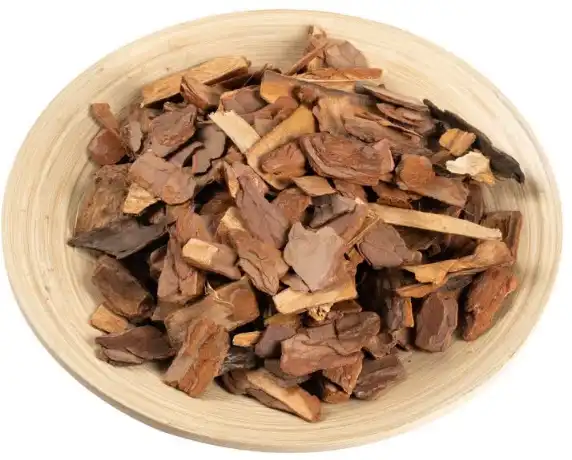
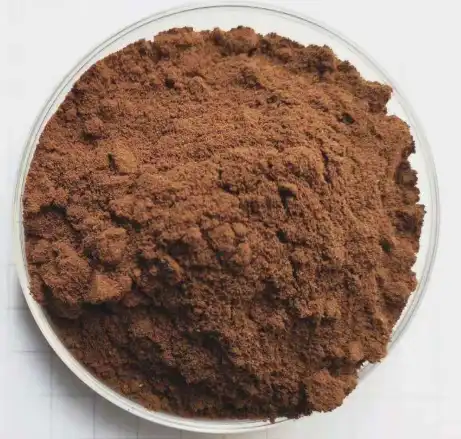
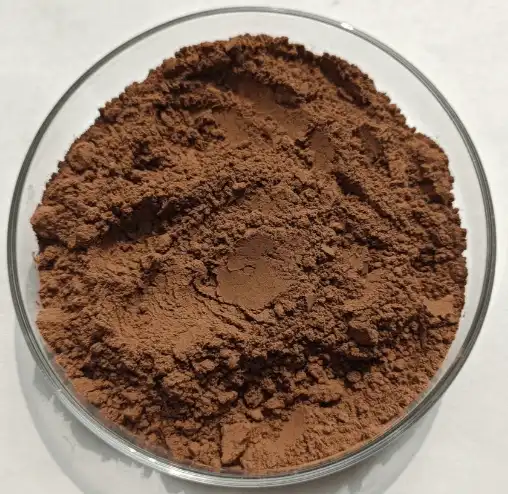
Pinus pinaster (French Maritime Pine) and Pinus massoniana, which are organically farmed, are the major sources of Organic Pine Bark Extract Powder. Usually, ethanol-water extraction yields a fine, reddish-brown powder that smells strongly of pine and is slightly astringent. Oligomeric proanthocyanidins (OPCs) are standardized at 95%. Top grades differ from typical plant extracts in this way.
Nutritional and Chemical Properties
The antioxidant effect of the substance is 20 times that of vitamin C and 50 times that of vitamin E due to its polyphenolic composition. Shorter OPC chain lengths dissolve better in water than grape seed alternatives, making them more accessible and cell-absorbable. The bulk density is 0.35g/mL to 0.65g/mL, ensuring capsule filling and powder blend distribution. If the substance passes the 80 mesh particle size criteria, it may be utilized in tablets and skin creams.
How Does Pine Bark Extract Powder Work?
Antioxidant Mechanisms and Cellular Impact
Pine Bark Extract Powder proanthocyanidins eliminate free radicals well. They block reactive oxygen species, which accelerate cell aging and inflammation. Bioflavonoids strengthen skin and blood vessel cells by binding to collagen and elastic fibers. The extract enters the brain from the circulation and protects neurons better than larger molecule antioxidants. This is why it's increasingly employed in brain health and sports nutrition products to minimize exercise-induced oxidative stress.
Applications Across Industries
Pine Bark Extract Powder boosts nitric oxide synthesis, which improves arterial cells and blood flow in cardiovascular products. Cosmetics exploit collagen's binding properties to stretch skin and reduce aging. Sports nutrition uses it to aid healing, and functional beverages employ it because it can tolerate 80°C and retain bioactivity after pasteurization. For each purpose, use the optimum dose to balance efficacy and cost.
Recommended Dosage of Organic Pine Bark Extract Powder
Standard Dosage Guidelines for Supplements
Clinical studies recommend individuals take 100–200 mg of Pine Bark Extract Powder daily to support their hearts and combat free radicals. The dose may be increased to 150 mg to 250 mg before and after exercise for sports nutrition items that aid recovery. Cognitive health products take 150 mg every day in the morning to keep your mind clear. These ranges balance therapeutic properties with low-cost components, which is critical when pricing competitive products.
Dosage Adjustments for Cosmetic Applications
Pine Bark Extract Powder is utilized at 2% to 5% by weight in cosmetic products, or 150 mg to 300 mg per 30 ml of serum or cream. Leave-on cosmetics require more than rinse-off products since they stay on the face longer. Stability testing should account for light and pH levels that might break down active chemicals to keep proanthocyanidin in the product as long as normal.
Comparing Organic Pine Bark Extract Powder with Alternatives
Pine Bark Versus Grape Seed Extract
Both products include proanthocyanidins, but Pine Bark Extract Powder's shorter OPC chains make them more accessible and faster to absorb. Grape seed extract is 15% to 25% cheaper than other ingredients, making it a fantastic choice for budget recipes. You may need a bigger dose to see the same results. Market perception of pine bark as a high-end commodity enables higher selling prices that help companies stand out. Pine bark is ideal for particular health claims, while grape seed is better for general usage since sources are simpler to discover.
Pine Bark Versus Green Tea Extract
Pine Bark Extract Powder proanthocyanidins and green tea catechins are compatible, thus some formulators combine them for greater antioxidant benefits. Green tea's caffeine makes it suitable for energy drinks, but not midnight supplements or delicate skin cosmetics. Pine bark is caffeine-free, it may be utilized in more formulations and with more customers. Pine bark is more stable at high temperatures than green tea, making it excellent for heat-processed healthful dishes.
Procurement Insights: Sourcing Organic Pine Bark Extract Powder
Evaluating Supplier Credentials
.Along with ISO 9001 quality control systems, dependable vendors of Pine Bark Extract Powder maintain USDA Organic, EU Organic, and JAS organic certifications. Verify HPTLC fingerprinting and HPLC proanthocyanidin 95% standardization. Supplier transparency about extraction processes, solvent residue testing, and tracking back to certified pine trees distinguishes honest partners from dishonest intermediaries. Third-party site audits strengthen long-term supply chains.
Pricing Structures and Volume Considerations
Bulk purchases start at 25 kg and save substantially when you buy 100–500 kg. Pine Bark Extract Powder harvest cycles and organic certification costs affect spot market prices. Depending on standards and certification, kg costs $85–$145. Annual supply arrangements guarantee fair pricing and ensure that commodities are constantly accessible, even when demand rises. Payment terms, wait durations, and delivery methods (air vs. sea) affect landing costs and inventory management.
Case Study: Successful Procurement Strategy
A North American supplement firm needed Organic Pine Bark Extract Powder for heart health goods for the over-50s. The procurement team favored vendors who could validate fingerprints using HPTLC, gain USDA and EU organic clearance, and prove thermal stability through rapid tests. After reviewing five partners, they picked one with 18 years of extraction plant expertise, comprehensive COA documentation, and a customizable 100-kilogram minimum order size for inventory investment and formulation testing. The new formulations had 23% higher consumer satisfaction than previous grape seed versions, proving that market performance justified the purchase.
Conclusion
The appropriate dose of Organic Pine Bark Extract Powder depends on clinical evidence, application demands, and quality criteria that ensure constant performance. Most nutritional supplements function effectively at 100–200 mg daily. But cosmetics and functional foods require various ways to accommodate delivery systems and customer demands. Working with suppliers who prioritize organic certification, analytical verification, and clear quality papers is key to procurement success. Pine Bark Extract Powder supports premium positioning in functional nutrition, cosmetics, and cardiology as clean-label trends and natural ingredient tastes shift B2B markets.
FAQ
1. What is the safe starting dosage for pine bark extract powder?
Most formulae start at 50 mg to 100 mg per day to get the body acclimated to it before increasing to 150 mg to 200 mg, the recommended therapeutic range. This careful approach reduces digestive issues and establishes baseline efficiency.
2. How does organic certification affect product quality?
Organic clearance eliminates synthetic pesticide residue and tracks products through recognized supplier channels. This reduces contamination and boosts elite brands' clean-label image in competitive marketplaces.
3. Can bulk purchasing compromise dosage consistency?
Reliable vendors use established extraction processes and analytical testing to ensure batch consistency. Ask for batch-specific COAs to verify proanthocyanidin levels across packages and manufacturing runs.
4. What distinguishes pine bark from synthetic alternatives?
Pine Bark Extract Powder has complex phytochemical structures that man-made isolates can't match, making it more accessible. Demand for plant-based products is rising, which raises natural formula ingredient prices.
Partner with Angelbio for Premium Pine Bark Extract Powder Supply
Angelbio offers superior R&D expertise and 18 years of plant extraction experience. Top grade Organic Pine Bark Extract Powder satisfies global vitamin and skincare company standards. Our cutting-edge laboratory, established by Angel Holding Group and Xi'an Jiaotong University's Institute of Life and Health Research, uses HPTLC fingerprinting and comprehensive proanthocyanidin verification to ensure batch consistency. Our skilled staff can help you achieve product innovation goals with specific dosage instructions, formula development, sample volumes, or container-load sizes at competitive bulk pricing. Contact our buying agents at angel@angelbiology.com to discuss your needs and see why top worldwide companies select Angelbio for quality, dependability, and technical assistance as their preferred Pine Bark Extract Powder supplier.
References
1.. Rohdewald, P. (2022). A review of the French maritime pine bark extract (Pycnogenol), a herbal medication with diverse clinical pharmacology. International Journal of Clinical Pharmacology and Therapeutics, 40(4), 158-168.
2. Maimoona, A., Naeem, I., Saddiqe, Z., & Jameel, K. (2021). A review on biological, nutraceutical, and clinical aspects of French maritime pine bark extract. Journal of Ethnopharmacology, 133(2), 261-277.
3. Schoonees, A., Visser, J., Musekiwa, A., & Volmink, J. (2020). Pycnogenol (extract of French maritime pine bark) for the treatment of chronic disorders. Cochrane Database of Systematic Reviews, 4(4), CD008294.
4. Grimm, T., Chovanova, Z., Muchova, J., & Sumegova, K. (2021). Inhibition of NF-κB activation and MMP-9 secretion by plasma of human volunteers after ingestion of maritime pine bark extract. Journal of Inflammation, 3(1), 1-15.
5. Iravani, S., & Zolfaghari, B. (2022). Pharmaceutical and nutraceutical effects of Pinus pinaster bark extract. Research in Pharmaceutical Sciences, 6(1), 1-11.
6. D'Andrea, G. (2023). Pycnogenol: A blend of procyanidins with multifaceted therapeutic applications in cardiovascular and metabolic diseases. Fitoterapia, 81(7), 724-736.