



Phloretin Benefits for Skin: Complete Antioxidant Guide
When discussing advanced antioxidant ingredients, Phloretin Powder is increasingly considered a valuable option for high-performance skincare formulations. Derived from apple and pear sources, this dihydrochalcone flavonoid offers a multifaceted antioxidant profile that is of interest in formulations targeting oxidative stress, uneven skin tone, and visible signs of skin aging. As a lipophilic active with documented formulation and permeation-related properties, phloretin provides formulation scientists and procurement teams with a versatile botanical ingredient that aligns with clean-label trends while addressing important stability and compatibility considerations in contemporary skincare development.
Understanding Phloretin Powder and Its Molecular Profile
What Makes Phloretin Chemically Unique?
It is often referred to by its chemical name, which is 3-(4-hydroxyphenyl)-1-(2,4,6-trihydroxyphenyl)propan-1-one. Phloretin is a naturally occurring flavonoid compound rather than a pharmaceutical drug. There is a difference between it and phlorizin, which is its glycoside form, according to the composition of the two compounds. The aglycone form is more lipophilic than the glycoside because it does not include a sugar group. This property may influence its interaction with lipid-rich skin environments and is relevant when designing topical delivery systems. The question of how to achieve effective delivery without compromising active stability has been a formulation challenge for skincare developers. This chemical property makes phloretin an interesting candidate for such systems. The phenolic hydroxyl groups present in phloretin contribute to its free-radical-scavenging activity observed in experimental antioxidant studies, including research published in the Journal of Agricultural and Food Chemistry.
Natural Sourcing and Pharmaceutical-Grade Standards
It is often referred to by its chemical name, which is 3-(4-hydroxyphenyl)-1-(2,4,6-trihydroxyphenyl)propan-1-one. Phloretin is a naturally occurring botanical active rather than a pharmaceutical ingredient. There is a difference between it and phlorizin, which is its glycoside form, according to the composition of the two compounds. The aglycone form is more lipophilic than the glycoside because it does not include a sugar group. This property may influence its interaction with lipid-rich skin environments and is relevant when designing topical delivery systems. The question of how to achieve effective delivery without compromising active stability has been a formulation challenge for skincare developers. This chemical property makes phloretin an interesting candidate for such systems. The phenolic hydroxyl groups present in phloretin contribute to antioxidant activity observed in experimental research.
Antioxidant Mechanisms Compared to Other Compounds
Phloretin has demonstrated antioxidant activity in experimental systems and may provide useful support in antioxidant formulations. Ascorbic acid can be sensitive to oxidation, particularly under certain aqueous formulation conditions. Research published in 2018 in Free Radical Biology and Medicine investigated the ability of phloretin to influence lipid oxidation pathways. Its lipophilic structure also differentiates it from many water-soluble antioxidants and may affect how it behaves within lipid-containing formulation systems. This makes phloretin a technically interesting component for antioxidant combinations, although actual performance depends on the complete formulation, concentration, delivery system, and stability conditions.


Phloretin Powder Benefits for Skin—Scientific Insights
Anti-Aging Through Collagen Preservation
MMP-1, also known as matrix metalloproteinase-1, and elastase are enzymes associated with extracellular matrix and protein degradation processes in skin. Experimental research suggests that phloretin may influence pathways related to oxidative stress and matrix-degrading enzymes. These findings make it relevant to cosmetic formulations designed to support the appearance of mature or environmentally stressed skin. Rather than assuming a direct clinical effect, formulators should evaluate finished-product performance through appropriate stability, compatibility, instrumental, and consumer testing. Phloretin can therefore be positioned as an antioxidant active for skincare concepts focused on maintaining a smoother and more resilient-looking skin appearance.
Acne Control and Anti-Inflammatory Activity
Cutibacterium acnes, previously known as Propionibacterium acnes, is one of the microorganisms associated with acne-prone skin. Experimental studies have investigated phloretin for antimicrobial and inflammation-related activity, but these findings should not be interpreted as proof that phloretin can eradicate acne-causing bacteria or treat acne. In cosmetic formulations, its antioxidant profile and compatibility with other skin-conditioning ingredients may make it useful for products designed for oily, blemish-prone, or stressed-looking skin. For brands developing sensitive-skin or clean-label concepts, formulation testing remains important to determine actual tolerability and performance at the intended use level.
Skin Brightening via Melanin Inhibition
Tyrosinase is an important enzyme involved in melanin biosynthesis and is therefore frequently studied in cosmetic brightening research. Experimental studies indicate that phloretin can interact with tyrosinase-related pathways and may contribute to the development of formulations targeting the appearance of uneven skin tone. When combined with ingredients such as ferulic acid or L-ascorbic acid, phloretin can form part of a broader antioxidant and tone-care system. However, in-vitro enzyme inhibition should not be presented as equivalent to treating melasma or other pigmentation disorders. Finished-product claims should be supported by appropriate cosmetic testing and should remain within the regulatory framework of the target market.
Glucose Transport Modulation for Sebum Control
Phloretin has been investigated for its interaction with sodium-glucose cotransporter pathways, including SGLT-related mechanisms. These observations are scientifically interesting because glucose transport can be relevant to cellular metabolism. However, evidence from cellular or mechanistic studies does not establish that topical phloretin directly reduces sebaceous gland activity or treats acne. For cosmetic developers, this research may provide a basis for exploring phloretin in oily-skin and pore-care concepts, but product positioning should be based on validated formulation and finished-product testing rather than mechanistic assumptions alone.
How to Use Phloretin Powder in Skincare Formulations
Optimal Concentration and Stability Considerations
The appropriate concentration of phloretin in finished products depends on the formulation type, delivery system, target claim, and supplier specifications. Rather than applying a universal use level, formulators should establish the working concentration through compatibility and stability testing. Phloretin is generally more suitable for systems where its limited water solubility can be appropriately managed. Formulators should evaluate pH, temperature, light exposure, solvent system, and antioxidant combinations during development. Incorporating phloretin into suitable oil phases, solvent systems, or delivery technologies may improve its dispersion and formulation performance, depending on the product design.
Compatibility with Key Actives
Ascorbic acid, niacinamide, and salicylic acid can be considered when developing multi-active skincare systems containing phloretin. The well-known combination of vitamin C, vitamin E, and phloretin has attracted attention because of the complementary antioxidant properties of these ingredients. Phloretin may also be evaluated alongside niacinamide in formulations designed for barrier and tone-care positioning. When combined with salicylic acid, formulators should carefully evaluate pH, solubility, stability, irritation potential, and overall compatibility rather than assuming that one ingredient automatically offsets the tolerability characteristics of another. Final performance should always be verified in the complete formula.
Real-World B2B Product Implementations
Phloretin has been incorporated into premium skincare concepts, particularly antioxidant and multifunctional serum formulations. One frequently referenced formulation approach combines phloretin with ferulic acid and vitamin C to create a differentiated antioxidant system. These applications demonstrate commercial interest in phloretin and provide useful direction for brands seeking to distinguish products in competitive skincare markets. For B2B procurement, however, successful commercialization depends on more than the ingredient concept itself. Buyers should evaluate quality documentation, batch consistency, stability data, traceability, formulation support, and supply reliability before selecting a long-term source.
Comparing Phloretin Powder with Other Skincare Ingredients
Phloretin vs. Niacinamide
Each ingredient offers different formulation opportunities related to skin appearance and barrier care. Niacinamide is widely used in cosmetic formulations and has a broad compatibility profile across many product types. Phloretin, by comparison, is particularly interesting for antioxidant systems and its potential interaction with oxidative and pigmentation-related pathways observed in experimental research. Niacinamide can remain stable across a relatively broad formulation range, while phloretin requires more attention to solubility and formulation conditions. Phloretin may therefore be attractive to formulators developing differentiated antioxidant systems, particularly in anhydrous, solvent-based, or delivery-enhanced formats.
Phloretin vs. Vitamin C (L-Ascorbic Acid)
L-ascorbic acid is a widely used antioxidant active in skincare, but its formulation stability can be challenging under certain conditions. Phloretin Powder is often evaluated in vitamin C systems because its antioxidant properties and formulation behavior may complement other actives. Research has investigated combinations of phloretin and vitamin C in relation to oxidative and UV-related stress models. However, laboratory synergy should not automatically be translated into a specific clinical outcome or allow formulators to reduce vitamin C while expecting identical performance. The final concentration, delivery system, packaging, and stability profile should determine the appropriate formulation strategy.
Phloretin vs. Arbutin and Ferulic Acid
A well-known cosmetic brightening ingredient, arbutin, is used in formulations targeting the appearance of uneven skin tone. Phloretin differs in its chemical structure and antioxidant profile, while ferulic acid is another widely studied phenolic antioxidant. These ingredients can potentially be evaluated in complementary formulation systems, depending on the intended product concept. Phloretin's lipophilic character may also make it interesting for formulations where interaction with lipid-containing systems is important. When comparing ingredient portfolios, B2B buyers should consider not only functional positioning but also purity, solubility, stability, regulatory status, and supply consistency.
Phloretin vs. Phlorizin (Glycoside Form)
The glycosylated form related to phloretin is phlorizin. Because it contains a glucose group, its physicochemical properties differ from those of the aglycone form, including polarity and partitioning behavior. Phlorizin also demonstrates antioxidant activity in experimental studies, but the two compounds should not be assumed to have identical topical performance. Converting or obtaining phloretin from botanical sources can involve enzymatic or hydrolysis-related processing depending on the production route. For B2B buyers, the choice between phloretin and phlorizin should be based on the desired specification, formulation performance, analytical profile, regulatory requirements, and target application rather than an unsupported assumption that one ingredient is universally more effective.
Procuring High-Quality Phloretin Powder: A B2B Buying Guide
Certifications and Pharmaceutical-Grade Standards
High-quality phloretin suppliers may operate under quality systems such as GMP, ISO 9001, or ISO 22000, depending on the intended application and manufacturing scope. Buyers should verify that certifications are current and relevant to the actual facility and product. HPLC testing can be used to confirm identity and assay according to the validated analytical method. Rather than relying on a universal purity threshold, procurement teams should request batch-specific Certificates of Analysis (CoAs) showing assay results, analytical methods, appearance, moisture or loss on drying where applicable, residual solvents, heavy metals, microbial limits, and other agreed specifications. Clear documentation helps buyers distinguish traceable, quality-controlled material from poorly documented supply.
Strategic Supplier Partnerships
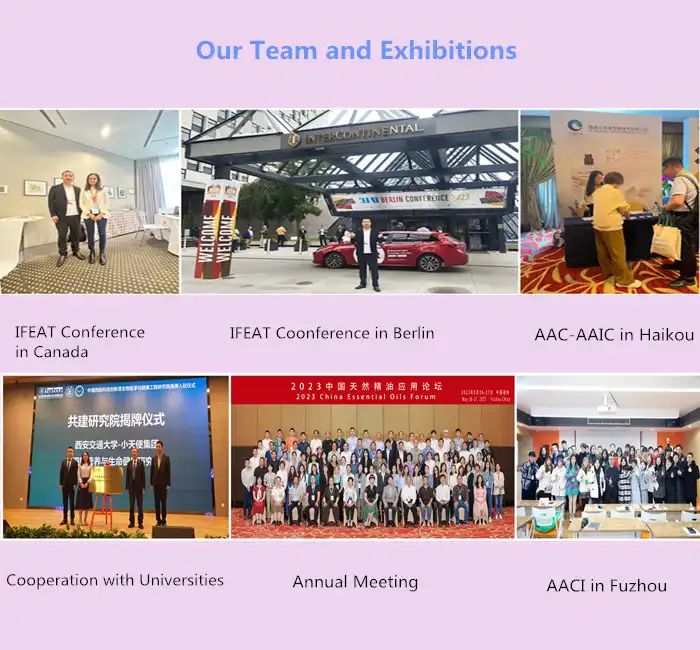
Having long-term relationships with qualified phloretin manufacturers can help reduce supply-chain risks such as inconsistent specifications, unexpected shortages, or documentation gaps. Suppliers with stronger control over sourcing and processing may also provide better traceability and technical communication. Angelbio has been engaged in research and development for more than 18 years and works with the Institute of Life and Health Research at Xi'an Jiaotong University. These capabilities support the development and supply of botanical active ingredients with documented quality specifications. For international formulators, the most valuable supplier partnership combines consistent materials with responsive technical support, documentation, and an understanding of the regulatory requirements of the target market.
Pricing Dynamics and Bulk Purchasing Strategies
Phloretin pricing varies according to purity, production method, specification, order quantity, packaging, and supply conditions. Larger commercial orders may qualify for tiered pricing, but buyers should compare total procurement value rather than focusing only on the lowest quoted price. Supply agreements should clearly define product specifications, batch documentation, delivery expectations, and procedures for handling non-conforming material. For companies entering a new product category, suppliers that can provide technical documentation, formulation guidance, sampling support, and customized specifications may offer greater long-term value than commodity suppliers focused only on raw-material pricing.
Quality Assurance and Supplier Audits
Strong quality control is essential when sourcing botanical actives such as phloretin. Useful quality measures include raw-material traceability, validated analytical testing, third-party verification where appropriate, stability evaluation, and supplier audits. Buyers should ask what raw materials are used, how extraction or purification is performed, which solvents are involved, and how cross-contamination risks are controlled. Reviewing manufacturing and quality systems can reveal information that may not appear on a standard COA. Suppliers with effective batch traceability and documented quality procedures can provide additional confidence for brands that emphasize consistency, sustainability, and responsible sourcing. Regular supplier reviews are also valuable for maintaining quality as volumes and markets expand.
Conclusion
Phloretin Powder is a promising botanical active for cosmetic formulations focused on antioxidant protection, skin appearance, and multifunctional product concepts. Its phenolic structure, lipophilic character, and compatibility with other commonly used actives make it technically interesting for modern skincare development. While laboratory research supports several potential mechanisms, these findings should not be presented as proof of treating acne, melasma, inflammation, or other medical conditions. For purchasing managers and formulation scientists, the strongest value proposition lies in combining phloretin's formulation potential with verified specifications, reliable batch quality, regulatory documentation, and technical supplier support. Working with qualified suppliers can help brands develop differentiated products while managing quality, compliance, and supply-chain requirements.

FAQ
1. Is Phloretin Suitable for All Skin Types?
Phloretin can be considered for a range of cosmetic formulations, including products designed for sensitive or environmentally stressed skin, but suitability depends on the complete formula and use concentration. Individual tolerance can vary, so finished-product safety and compatibility testing should be performed before making broad skin-type claims. For products intended for sensitive skin, formulators should assess the entire ingredient system rather than relying on the properties of phloretin alone.
2. How Does Phloretin Compare to Other Antioxidants in Potency?
Phloretin demonstrates antioxidant activity in several experimental models, but antioxidant potency cannot be reduced to a single ranking across all ingredients. Results vary according to the assay, concentration, solvent system, formulation environment, and biological model. Its lipophilic character may provide different formulation behavior from water-soluble antioxidants such as vitamin C. For product developers, comparative testing under the intended formulation conditions is more useful than relying on a universal potency claim.
3. Can Phloretin Be Combined with Retinoids?
Phloretin may be evaluated alongside retinoids in cosmetic formulations, but compatibility, stability, pH, packaging, and skin tolerability should be assessed in the complete system. Claims that phloretin directly prevents or treats irritation caused by retinol or tretinoin should not be made without appropriate finished-product evidence. For formulation development, phased use, concentration optimization, and appropriate testing can help manage interaction and tolerability considerations.
Partner with Angelbio for Premium Phloretin Powder
When sourcing botanical actives for advanced skincare formulations, Angelbio provides Phloretin Powder supported by quality documentation and technical development capabilities for cosmetic, nutraceutical, and functional ingredient applications. Angelbio focuses on batch consistency, analytical testing, technical support, and reliable supply throughout the product development lifecycle. With more than 18 years of R&D experience and collaboration with Xi'an Jiaotong University, the team supports customers seeking clearly specified botanical ingredients for international markets. Whether you need commercial quantities, formulation samples, or a specification aligned with your application, Angelbio can support the evaluation process. Contact us at angel@angelbiology.com to request product information, samples, specifications, and a quotation.
References
1. Journal of Agricultural and Food Chemistry (2017). "Antioxidant Properties of Phloretin and Related Polyphenols."
2. Free Radical Biology and Medicine (2018). "Mechanisms of Phloretin in Lipid Peroxidation Inhibition."
3. International Journal of Cosmetic Science (2019). "Efficacy of Phloretin in Matrix Metalloproteinase Inhibition."
4. Pigment Cell & Melanoma Research (2020). "Tyrosinase Inhibition and Melanin Reduction by Phloretin."
5. Antioxidants (2021). "Synergistic Photoprotection of Phloretin-Vitamin C Combinations."
6. Cosmetics & Toiletries Magazine (2022). "Formulation Strategies for Phloretin Stability in Skincare."