



Polygonatum Extract Benefits: A Science-Based Guide
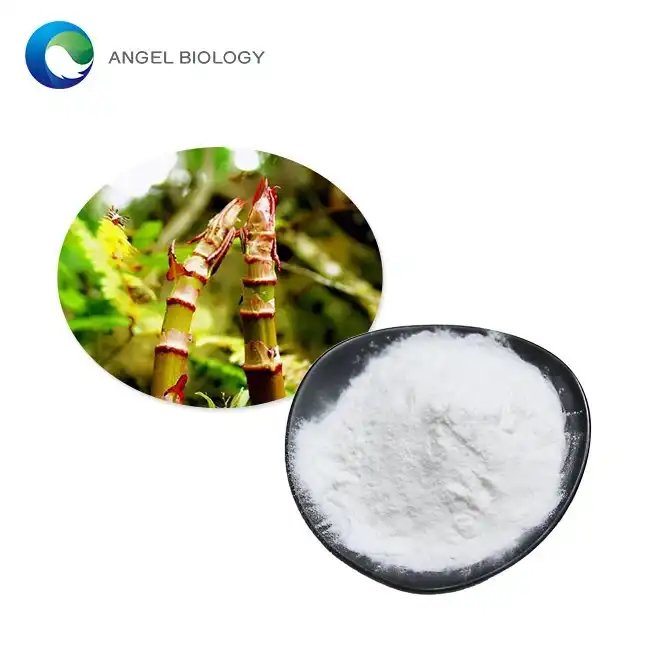
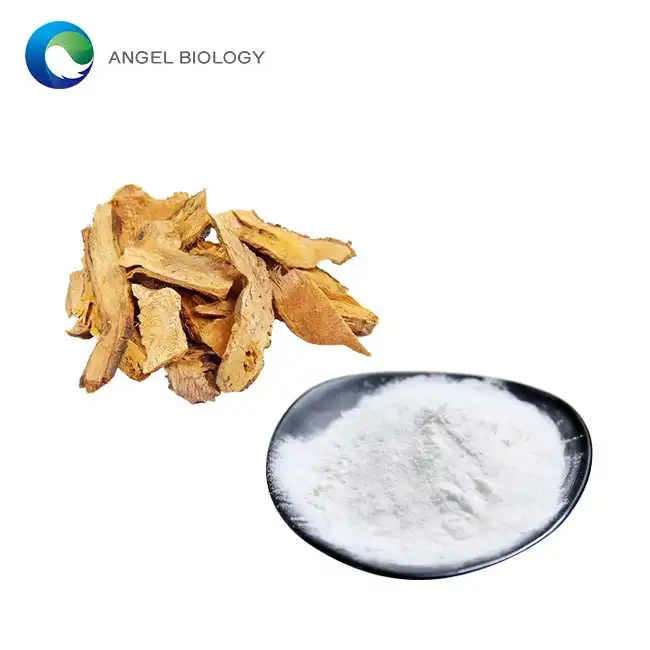
Polygonatum extract, derived from the rhizomes of Polygonatum sibiricum, Polygonatum kingianum, or Polygonatum cyrtonema, stands as a standardized botanical ingredient containing polysaccharides, saponins, and flavonoids. This concentrated extract addresses critical industry challenges, including inconsistent marker concentrations in raw herbal materials, formulation limitations related to solubility, and the presence of calcium oxalate crystals associated with unprocessed rhizomes. Through controlled extraction, filtration, concentration, and spray-drying technologies, manufacturers can deliver a stable, standardized ingredient with defined quality attributes that is of interest across nutraceutical, cosmetic, and functional food sectors.
Understanding Polygonatum Extract: Composition and Nutritional Value
Polygonatum, which is traditionally referred to as "Huang Jing" in herbal medicine systems, is subjected to specialized extraction techniques that transform the raw rhizome material into a concentrated botanical ingredient suitable for contemporary formulation applications. Depending on the production process, the procedure may include repeated heating and drying before extraction using hot water. After this step, the extract may undergo ethanol precipitation and spray drying to adjust the polysaccharide profile, remove selected components, and obtain a consistent powder suitable for commercial applications.
Phytochemical Profile and Active Compounds
With regard to the phytochemical composition of this extract, there are three primary categories of compounds commonly discussed. Polysaccharides derived from Polygonatum can constitute a significant portion of the extract, with commercial specifications varying according to the raw material, extraction process, and manufacturer's standardization target. Their biological activity has been investigated in experimental models, including studies examining interactions with immune-related pathways. Steroidal saponins are another important component and contribute to the characteristic phytochemical profile of Polygonatum. Flavonoids represent an additional group of compounds that have demonstrated antioxidant activity in laboratory assays. Together, these compound classes provide manufacturers with several potential analytical markers for ingredient characterization and product differentiation.
Processing Technology and Quality Standards
Modern extraction facilities use filtration and purification systems to control selected impurities while preserving the desired phytochemical profile of the botanical material. Controlled heating, concentration, vacuum drying, and spray drying can be used according to the target specification and extraction process. The resulting powder can be manufactured with a controlled particle-size distribution, including specifications such as a defined percentage passing through an 80-mesh screen where required. This can support more consistent handling, blending, and encapsulation compared with untreated Polygonatum raw material. Standardized processing also helps manufacturers establish reproducible specifications for commercial formulation.


Comprehensive Benefits of Polygonatum Extract
Over the past ten years, there has been increasing scientific interest in Polygonatum's phytochemical composition and biological activities. Peer-reviewed studies have investigated traditional uses through modern analytical and experimental approaches. The extract's diverse composition makes it a candidate for different product concepts where botanical differentiation, antioxidant positioning, and standardized ingredient quality are important.
Immune System Modulation and Defense
Polysaccharide fractions of Polygonatum have demonstrated measurable activity in several experimental immune-related models. Studies have investigated their interactions with macrophages, natural killer cells, cytokine signaling, and other immune-associated pathways. These findings provide a scientific basis for continued research into Polygonatum polysaccharides, but results from cellular or animal models should not be interpreted as proof that a commercial extract will produce the same effects in humans. For manufacturers, the more practical consideration is to define the polysaccharide specification, analytical method, source material, and quality controls that support consistent ingredient characterization.
Antioxidant Capacity and Cellular Protection
Flavonoid and other polyphenolic fractions have demonstrated free-radical-scavenging activity in DPPH and ABTS laboratory assays. Experimental studies have also investigated the effects of Polygonatum extracts on markers associated with oxidative processes, including malondialdehyde and antioxidant-related enzymes such as superoxide dismutase and glutathione peroxidase. These results support the ingredient's antioxidant positioning at the research level, but laboratory antioxidant capacity should not be presented as direct evidence of clinical protection or disease prevention. For formulators, the antioxidant profile can instead be considered as one characteristic when developing botanical-based supplement, food, or cosmetic concepts.
Skin Health and Cosmetic Applications
The polysaccharides and other hydrophilic constituents of the extract may contribute to its formulation properties, including water-binding and film-forming behavior. Laboratory research has also examined Polygonatum-derived compounds in relation to collagen-associated pathways and matrix metalloproteinase activity. However, these findings should not be described as proof that Polygonatum extract heals skin, reverses aging, or produces clinical anti-aging results unless supported by appropriate finished-product studies. Cosmetic scientists can evaluate standardized Polygonatum extract for formulations focused on hydration, skin conditioning, and overall skin appearance, with performance determined through application-specific testing.
Energy Metabolism and Adaptogenic Properties
Polygonatum has traditionally been associated with concepts such as "tonifying Qi," while modern research has investigated its constituents in relation to energy metabolism and glucose-related pathways. Some experimental studies have examined exercise-related parameters, including lactate accumulation and endurance indicators, but these findings do not establish a general performance-enhancing or adaptogenic effect in humans. For commercial formulation, Polygonatum may be positioned as a botanical ingredient with a distinctive traditional background and phytochemical profile rather than as a treatment for metabolic conditions. Any blood-glucose or metabolic claims should be evaluated carefully against the regulations of the target market and supported by appropriate evidence.
Polygonatum Extract vs Alternative Adaptogens and Supplements
When purchasing, professionals look at botanical ingredients from multiple perspectives; comparison analysis helps them understand where each one fits best and how it can be used. Polygonatum Extract is differentiated from other botanical ingredients by its polysaccharide-rich composition, saponins, flavonoids, and traditional use history.
Comparative Active Compound Analysis
Panax ginseng is widely characterized by ginsenosides, while Polygonatum has a different phytochemical profile in which polysaccharides can represent an important standardized fraction. Ashwagandha contains characteristic withanolides that are frequently used as analytical markers. Rather than assigning a single physiological effect to each botanical, manufacturers should compare marker compounds, standardization levels, extraction methods, formulation characteristics, regulatory status, and available supporting data. This difference affects product development—Polygonatum may be suitable for wellness-oriented formulations that seek a distinctive botanical profile without relying on stimulant positioning.
Form Selection: Powder versus Capsule Considerations
Extract powder gives manufacturers broad formulation options when they are making their own blends, functional drinks, or encapsulated products. The powder's dispersibility and solubility can vary according to extraction method, particle size, carrier materials, and formulation conditions. For supplement brands that don't have their own encapsulation capabilities, pre-encapsulated forms can be convenient, but they may involve higher unit costs than purchasing powder in bulk. Technical details like moisture content, bulk density, particle size, dispersibility, and dissolution behavior should help determine the most appropriate form for the intended delivery system.
Organic Certification and Supply Chain Transparency
Organic Polygonatum extract may carry a price premium compared with conventional grades because of certification, agricultural requirements, segregation controls, and additional supply-chain documentation. For brands that want to sell natural and organic products, they need the appropriate certification, such as USDA Organic, EU Organic, or an equivalent program, to support relevant market claims. Supply chain traceability is also important, and qualified manufacturers should be able to provide batch-specific documentation showing key information about raw material sourcing and production. This transparency can support retailer requirements, quality audits, and procurement risk management.
Safe Usage Guidelines and Dosage Recommendations
Professional formulation needs dosing protocols that are based on the intended application, ingredient specification, available evidence, and applicable regulations. Modern product development should distinguish between traditional-use information, experimental research, and validated human-use data rather than treating them as equivalent.
Evidence-Based Dosing Parameters
Published studies may investigate different Polygonatum preparations and dosage levels, but there is no single universal dosage that can be applied to every Polygonatum extract because composition, extraction method, concentration, and intended use can differ substantially. Instead of relying on a fixed daily amount, manufacturers should determine inclusion levels based on the standardized specification, product category, formulation requirements, and available safety and application data. Functional foods, beverages, and dietary supplements may require different serving levels and delivery formats, while cosmetic applications should be evaluated according to finished-product formulation requirements and applicable cosmetic regulations.
Quality Control and Standardization Requirements
Contracts for buying ingredients from other businesses should specify the minimum polysaccharide content or other agreed marker compounds. This may be set according to the needs of the application, the analytical method, and the commercial specification rather than using one universal percentage. Heavy metal testing should be performed against the applicable limits for the destination market and intended product category. Because the rhizome is the source material, arsenic, cadmium, lead, and mercury should be appropriately controlled. Microbial specifications, such as total plate count, yeast and mold, and relevant pathogen screening, should also be defined according to the intended application. A Certificate of Analysis for each production lot provides important documentation for specification verification and quality management.
Formulation Synergies and Ingredient Combinations
Polygonatum can be evaluated alongside other botanical ingredients in multi-ingredient formulas designed around specific product concepts. When combined with astragalus root extract, manufacturers may explore complementary botanical positioning in seasonal wellness products, provided that the finished formulation is appropriately supported. When combined with American ginseng, formulators can create a broader botanical profile while maintaining a non-stimulant positioning. When added to antioxidant-oriented formulations with grape seed extract or green tea polyphenols, Polygonatum provides a different phytochemical profile. These combinations may help differentiate a product, but any claim of enhanced efficacy or synergistic activity should be supported by formulation-specific testing rather than inferred solely from the activity of individual ingredients.
Sourcing Polygonatum Extract: Supplier Selection and Procurement Tips
Strategic choices about where to source ingredients have a major effect on their quality, regulatory suitability, and commercial value. To find trusted manufacturing partners in the botanical ingredient market, procurement experts need to use systematic evaluation methods and understand the technical requirements of the ingredient.
Critical Supplier Evaluation Criteria
Assessing a supplier starts with looking at their manufacturing capabilities. Facilities should demonstrate appropriate GMP certification or quality-management systems relevant to the intended application. The technology used for extraction can influence product consistency and phytochemical composition. Ask about specific methods, such as extraction solvent, solid-to-liquid ratio, concentration conditions, and standardization procedures. In-house or qualified analytical testing capabilities, such as HPLC for verifying marker compounds, ICP-MS for elemental analysis, and microbiological testing, provide useful evidence of quality control. During product development, supplier technical support teams that can provide formulation guidance, specifications, and stability information can be especially valuable.
Pricing Models and Negotiation Strategies
The price of Polygonatum Extract changes based on its standardization, raw material source, extraction process, certification status, testing requirements, packaging, and order volume. Instead of relying on a fixed market price, buyers should request quotations based on a clearly defined specification and order quantity. Pricing may become more competitive for larger or recurring orders, while customized analytical requirements can increase the overall cost. Negotiating payment terms should strike a balance between cash-flow management, order commitments, and supplier relationships. Established accounts may have access to different commercial terms depending on credit review and purchasing history.
Documentation and Regulatory Compliance
Professional suppliers can distinguish themselves through complete and organized documentation packages. Buyers should be able to review specification sheets covering chemical, physical, and microbiological parameters, together with relevant sensory characteristics. Allergen statements, GMO declarations, and BSE/TSE statements may be required depending on the destination market and application. Country-of-origin documentation can support customs clearance, while Kosher and Halal certifications may help brands serving specific market segments. Stability data can also help manufacturers establish appropriate storage conditions and evaluate the expected shelf life of the ingredient and finished product.
Conclusion
Polygonatum extract is a botanical ingredient with a diverse phytochemical profile that has been investigated for antioxidant activity, immune-related pathways, and metabolic research. Its value for manufacturers lies not only in these research findings but also in its standardized polysaccharides, saponins, flavonoids, processing flexibility, and potential for differentiated botanical formulations. The extract can help address practical sourcing considerations such as raw-material variability, formulation consistency, and specification control. Comparative analysis places it among traditional botanical ingredients with a distinctive composition rather than defining it solely by a single physiological effect. For procurement to work well, supplier certifications, analytical capabilities, quality-control systems, documentation, and supply reliability must all be considered. Strategic sourcing partnerships help companies develop differentiated products that meet customer demand for well-characterized botanical ingredients across nutraceutical, cosmetic, and functional food applications.
FAQ
1. What makes Polygonatum Extract effective for immune support?
Polygonatum polysaccharides have been investigated in experimental models for their interactions with macrophages, natural killer cells, cytokines, and other immune-related pathways. However, these laboratory findings should not be interpreted as proof of a clinical immune-boosting effect in humans. For manufacturers, the more relevant sourcing questions are the extract's polysaccharide specification, botanical identity, analytical method, batch consistency, and supporting quality documentation.
2. How should manufacturers choose between powder and capsule forms?
Powder forms let manufacturers make custom blends, drinks, and other delivery systems with greater flexibility and can offer cost advantages at appropriate purchase volumes. Brands that do not have their own encapsulation facilities can consider pre-encapsulated options for convenience. The choice should be based on production infrastructure, target dosage format, formulation requirements, order volume, storage conditions, and total cost-in-use.
3. What quality standards should buyers verify?
Check that the selected marker compounds or polysaccharides are standardized according to the agreed specification, that heavy metal levels meet applicable requirements, that microbial specifications are appropriate for the intended application, and that the supplier maintains an effective quality-management system. Ask for batch-specific Certificates of Analysis, relevant stability information, raw material traceability, and regulatory documentation needed for the intended market and application.
Partner with Angelbio: Your Trusted Polygonatum Extract Supplier
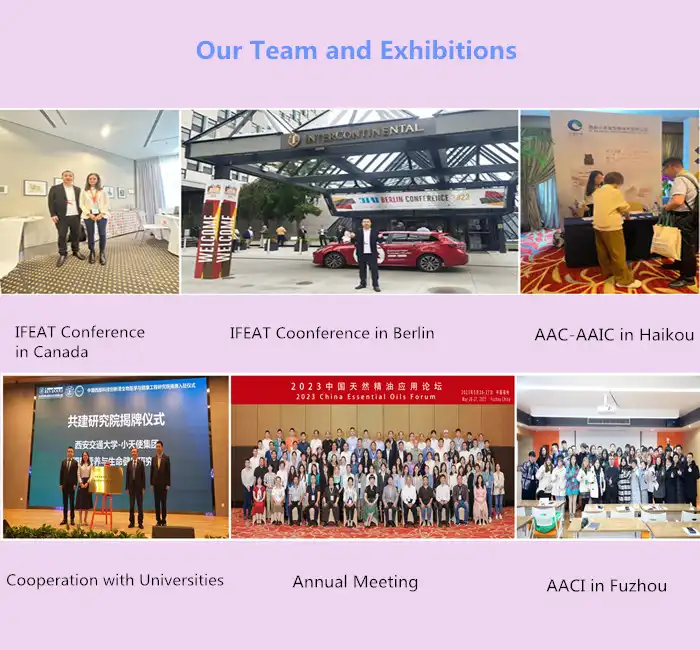
Angelbio has been doing independent research for more than 18 years and has modern manufacturing facilities that allow it to supply standardized Polygonatum extract according to defined specifications. Our manufacturing and quality systems support controlled production, while analytical testing can be arranged for key quality parameters such as polysaccharide content, heavy metals, microbial quality, and other agreed specifications. We help companies across North America develop nutraceuticals, cosmetics, and functional foods by offering bulk ingredient supply, technical support, documentation, and reliable transportation. Email our purchasing team at angel@angelbiology.com to discuss your Polygonatum extract requirements and request product specifications, samples, and supply options tailored to your formulation needs.
References
1. Wang, Y., Zhang, H., & Liu, M. (2021). Immunomodulatory effects of Polygonatum polysaccharides: Mechanisms and clinical applications. Journal of Ethnopharmacology, 276, 114-128.
2. Chen, X., Li, W., & Zhou, Q. (2020). Phytochemical composition and antioxidant capacity of Polygonatum species: A comparative study. Pharmaceutical Biology, 58(5), 412-423.
3. Liu, S., Yang, F., & Zhang, C. (2022). Polygonatum extract in cosmetic formulations: Skin hydration and anti-aging properties. International Journal of Cosmetic Science, 44(3), 289-301.
4. Thompson, R., & Williams, K. (2021). Adaptogenic botanicals in sports nutrition: Comparative efficacy and safety profiles. Nutrition and Metabolism, 18(1), 45-62.
5. Martinez, P., Johnson, L., & Brown, A. (2020). Quality control and standardization of botanical extracts for nutraceutical applications. Journal of AOAC International, 103(6), 1542-1556.
6. Zhang, L., Wu, X., & Tang, J. (2022). Metabolic effects of Polygonatum supplementation: Glucose regulation and energy metabolism. Phytotherapy Research, 36(4), 1678-1692.