



Everything You Need to Know About Dihydromyricetin
If you work in nutraceutical formulation, functional food development, or B2B ingredient sourcing, you have probably come across DHM in discussions about plant-derived ingredients. Dihydromyricetin powder is a flavanonol found in Ampelopsis grossedentata, commonly known as Vine Tea. With the molecular formula C15H12O8, it has attracted research interest for its antioxidant properties and potential applications in functional ingredient development. This guide helps procurement teams, R&D directors, and OEM buyers evaluate its characteristics, quality specifications, formulation requirements, and sourcing options.
What Is Dihydromyricetin Powder?
Chemical Identity and Physical Form
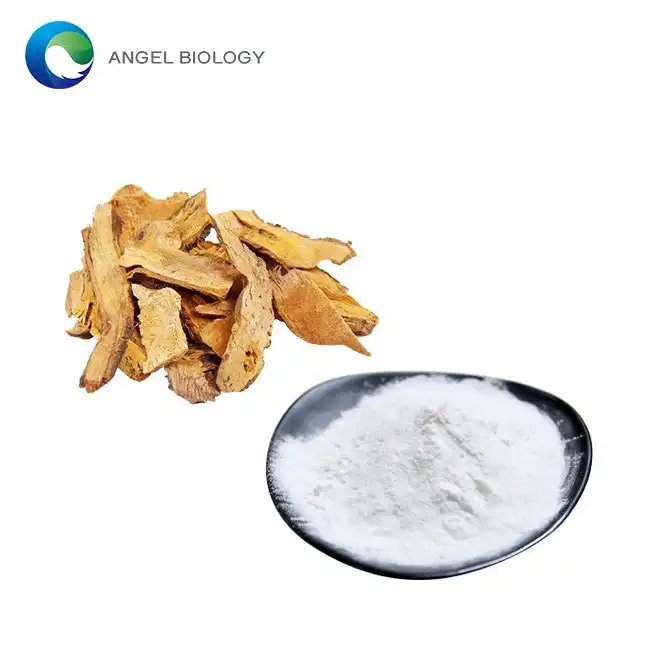
Dihydromyricetin powder is also known as ampelopsin and is sometimes described by its chemical name, 3,5,7,3',4',5'-hexahydroxy-2,3-dihydroflavonol. Depending on the material and processing conditions, the powder may appear white to off-white, with its particle size and physical characteristics varying by specification. A melting point around 245–246°C is reported in some references, but the value should be confirmed against the relevant testing method and material specification.
Dihydromyricetin has limited solubility in water, which can present formulation challenges for beverages and other liquid products. Its dispersibility and stability depend on factors such as pH, temperature, concentration, and the surrounding ingredient matrix. Formulators may evaluate suitable carriers or inclusion-complex technologies to improve handling and dispersion. Pilot testing is recommended before selecting a system for commercial production.


Extraction Source and Purity Standards
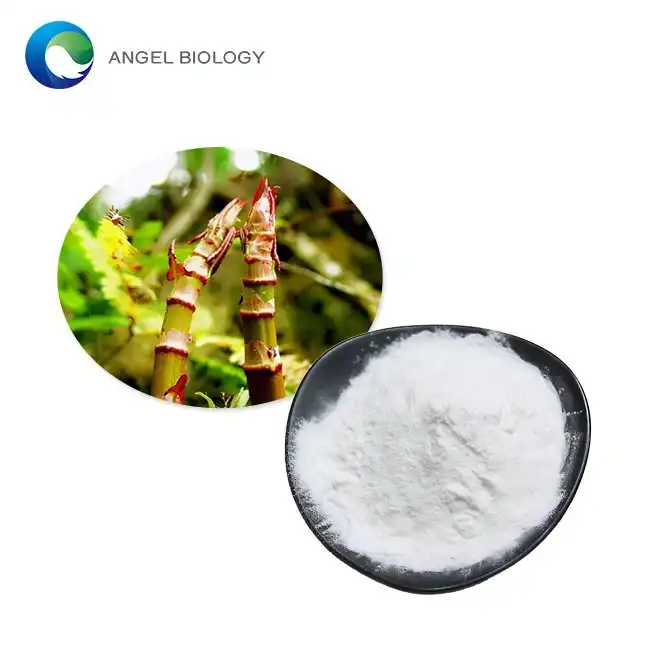
Vine Tea, or Ampelopsis grossedentata, has a long history of use in China. Dihydromyricetin can be obtained from this botanical source through extraction and purification processes. High-performance liquid chromatography (HPLC) can be used to determine the content of dihydromyricetin, provided that the method is appropriate for the ingredient and clearly identifies the reported result.
A specification such as 98% dihydromyricetin may be suitable for buyers seeking a highly standardized ingredient, but the actual content and test method should be verified through a current Certificate of Analysis (COA) and supporting analytical documentation. Standardized specifications can help improve batch-to-batch consistency, supporting product development and routine quality control. Buyers should also confirm botanical identity, residual solvent limits, heavy metals, microbiological parameters, and other requirements relevant to the intended application.
Key B2B Application Areas
Dihydromyricetin powder may be evaluated for use in dietary supplement formulations, functional ingredient blends, research-oriented products, and selected food or beverage applications, subject to applicable regulations and product requirements. Its antioxidant properties are an area of scientific interest, but laboratory findings should not be interpreted as proof of a specific health outcome in finished products.
For brands developing plant-derived ingredient portfolios, DHM may offer an option for exploring botanical-based formulations and differentiated product concepts. Suitability depends on the target market, formulation design, sensory requirements, stability, and the evidence available to support proposed product claims. Buyers should assess these factors before moving from laboratory trials to commercial production.
Benefits and Safety of Dihydromyricetin Powder
Research on Alcohol Metabolism and Liver-Related Effects
Dihydromyricetin has been investigated in preclinical studies exploring its interactions with biological pathways associated with alcohol exposure and liver-related responses. Some experimental findings have examined alcohol-metabolizing enzymes, including alcohol dehydrogenase (ADH) and aldehyde dehydrogenase (ALDH), as well as mechanisms involved in alcohol-related effects.
However, findings from animal or laboratory studies do not establish that dihydromyricetin accelerates alcohol clearance, prevents liver damage, reduces intoxication, or relieves hangover symptoms in humans. Research interest in these mechanisms should therefore be distinguished from demonstrated clinical benefits. Brands should avoid presenting DHM as a treatment for alcohol-related conditions or as a substitute for responsible alcohol consumption.
For ingredient buyers, the practical priority is to review the available evidence, confirm the material's identity and composition, and determine whether the intended product concept is appropriate for the relevant market. Any proposed claims should be supported by suitable evidence and reviewed against applicable labeling and advertising requirements.
Antioxidant Activity and Formulation Potential
Dihydromyricetin has been studied for antioxidant activity, including its interaction with free radicals and oxidative processes under experimental conditions. These properties may be relevant when researchers assess its potential role in ingredient blends and product formulations.
Nevertheless, antioxidant activity measured in a laboratory does not automatically translate into a measurable benefit in humans or in a finished consumer product. Evidence relating to anti-inflammatory activity and other biological effects also varies by study design and research model. Such findings should be treated as preliminary unless supported by relevant human research.
For product developers, DHM may be considered as part of a broader botanical ingredient strategy. Its suitability should be assessed through formulation trials, stability testing, compatibility checks, and a review of the evidence supporting the intended product positioning.
Dosage and Formulation Considerations
There is no universally established dosage of dihydromyricetin that can be recommended for every product or consumer. Amounts reported in studies or commercial products may differ according to the study design, ingredient form, intended use, and applicable market requirements. These figures should not be treated as a general recommendation for liver support, alcohol-related effects, or other health outcomes.
For B2B formulation projects, the appropriate inclusion level should be determined through a documented development process that considers ingredient specifications, intended use, serving format, exposure estimates, safety information, and applicable regulations. Buyers should request relevant technical documents from the supplier and consult qualified regulatory or scientific professionals when necessary.
Comparing DHM with Other Natural Ingredients
DHM vs. Milk Thistle (Silymarin)
Milk thistle extract, which contains silymarin-related compounds, is widely used in botanical supplement formulations. Dihydromyricetin and silymarin have different chemical profiles and research backgrounds, so they should not be considered interchangeable based solely on their plant origins or proposed applications.
Dihydromyricetin has been investigated in experimental research involving alcohol-related biological pathways, while silymarin has its own body of research on botanical constituents and liver-related endpoints. The strength and relevance of evidence differ across studies, and neither ingredient should be assumed to prevent or treat a health condition without appropriate supporting evidence.
When selecting between these ingredients, product developers should compare identity, standardized content, analytical methods, safety documentation, formulation compatibility, and the claims permitted in the target market. Combining ingredients may be considered during development, but compatibility and the rationale for each component should be evaluated rather than assuming that a blend will provide greater benefits.
DHM vs. N-Acetyl Cysteine (NAC) and Green Tea Extract
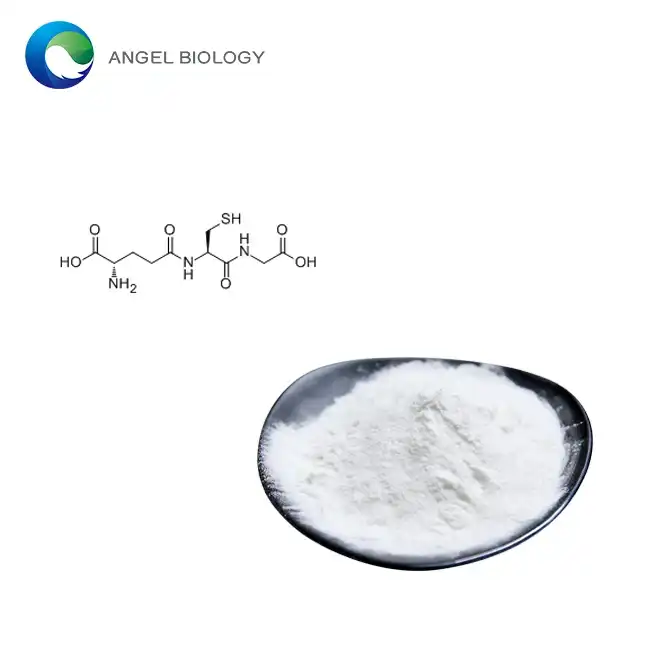
N-acetyl cysteine (NAC) and green tea extract are distinct ingredients with different chemical characteristics and research profiles. NAC is associated with glutathione-related biochemical pathways, while green tea extract contains catechins, including epigallocatechin gallate (EGCG). Their functions and suitability depend on the specific formulation and intended application.
Dihydromyricetin may appeal to brands exploring Vine Tea-derived ingredients, while green tea extract may be selected for its catechin profile and NAC for its distinct composition. No ingredient can be considered universally superior based on plant origin, antioxidant-related research, or a broad product concept alone.
Purchasing teams should compare standardized content, testing methods, supplier documentation, solubility, stability, cost, and market-specific requirements. The final choice should reflect the product's formulation objectives and the quality of the available supporting evidence.
Synergistic Formulation Opportunities
Dihydromyricetin powder may be evaluated alongside other botanical extracts or nutritional ingredients when developing multi-ingredient products. Potential combinations with silymarin, green tea extract, or B vitamins should be assessed on a case-by-case basis, taking into account ingredient compatibility, intended use, dosage calculations, sensory characteristics, and applicable labeling requirements.
A supplier that provides clear specifications and consistent technical documentation can simplify ingredient evaluation and help R&D teams manage formulation variables. However, combining ingredients does not automatically establish synergy or justify stronger product claims. Compatibility studies and suitable supporting evidence are important before commercial launch.
How to Procure High-Quality DHM for Your Business
Supplier Evaluation Criteria
Selecting dihydromyricetin powder requires more than comparing the quoted price or stated purity. Buyers should request a current Certificate of Analysis (COA), review the analytical method used to determine dihydromyricetin content, and confirm that the reported results match the agreed specification. Depending on the application, additional documentation may include botanical identity information, contaminant testing, residual solvent results, microbiological data, and stability information.
If a supplier states that the ingredient is entirely plant-derived, buyers can request relevant traceability and sourcing documentation. Where confirmation of carbon origin is necessary, an appropriate carbon-isotope analysis may be considered, provided the method is suitable for the question being investigated.
When comparing dihydromyricetin powder suppliers, purchasing teams should focus on the following points:
Standardized content and testing: Confirm the requested purity level, such as 98%, and verify it using a suitable analytical method. Request a batch-specific COA with clearly stated test results and specifications.
Quality documentation: Review the supplier's relevant quality-management documentation, testing procedures, traceability records, and any certifications applicable to the product and target market. Confirm the scope and validity of supporting documents rather than relying on certification claims alone.
Technical support: Working directly with a manufacturer may provide more opportunities to discuss specifications, samples, formulation requirements, and quality questions with the relevant technical team. Confirm the actual support available before placing an order.
Minimum order quantity (MOQ): Check whether the MOQ, sample policy, packaging options, and lead time fit your development schedule. Smaller evaluation quantities may be useful for preliminary formulation trials before bulk purchasing.
These checks help purchasing and quality teams make more informed sourcing decisions and establish clearer acceptance criteria for incoming materials.
Pricing, Logistics, and Compliance
The price of dihydromyricetin powder can vary according to standardized content, order quantity, production specifications, packaging, testing requirements, and shipping arrangements. Larger orders may offer different unit pricing, but the total cost should also account for documentation, logistics, import requirements, and the potential need for additional testing.
For international sourcing, buyers should confirm the product's country of origin, ingredient specification, applicable safety documentation, customs requirements, and the documents needed for the destination market. Product classification and regulatory obligations can vary by jurisdiction and intended use, so these details should be clarified before an order is finalized.
To reduce delays, both parties should agree on the specification, sample approval process, packaging, lead time, shipping terms, and required documents in advance. A clear written agreement helps align supplier capabilities with the buyer's commercial and quality expectations.
Conclusion
Dihydromyricetin powder is a botanical-derived ingredient with a growing research profile, particularly in studies of antioxidant activity and alcohol-related biological pathways. Its practical value for a product developer depends on verified composition, suitable formulation characteristics, available safety information, and the evidence supporting the intended application. Research findings should not be treated as proof of specific clinical outcomes.
For brands and manufacturers, a reliable sourcing process begins with a clearly defined specification, appropriate analytical testing, transparent documentation, and early evaluation of formulation compatibility. Whether you are developing a new ingredient concept or expanding an existing product line, these steps can help you assess DHM more efficiently and make informed purchasing decisions.

FAQ
1. How does DHM differ from other antioxidant ingredients?
Dihydromyricetin is a flavanonol associated with Vine Tea and has a distinct chemical profile from ingredients such as green tea catechins and other botanical extracts. It has been investigated for antioxidant activity and in experimental studies of alcohol-related pathways. However, these research findings do not establish that DHM is more effective than other ingredients or that it prevents hangovers or protects the liver in humans. Buyers should compare ingredients based on evidence, specifications, safety information, and formulation needs.
2. What purity grade should I request from a supplier?
The appropriate specification depends on the intended application and the product requirements. A 98% dihydromyricetin specification may be suitable for some projects, but buyers should verify what the percentage represents and how it is measured. Request a batch-specific COA, confirm the analytical method, and review relevant contaminant and safety data. The highest stated purity is not automatically the best choice for every formulation.
3. Is DHM water-soluble for use in beverages?
Dihydromyricetin has limited water solubility, which can affect its use in beverage formulations. Solubility and dispersion should be evaluated under the intended product conditions, including pH, temperature, concentration, and the presence of other ingredients. Formulation approaches such as suitable carriers or inclusion complexes may be explored, but they do not guarantee a clear or stable beverage. Pilot testing is recommended before scale-up.
4. How should bulk DHM powder be stored?
Store dihydromyricetin powder in a tightly sealed container in a cool, dry place, away from direct sunlight, excessive heat, and moisture. Follow the supplier's storage instructions and the shelf life stated in the product documentation. A 24-month shelf life should not be assumed unless supported by the relevant stability data and product specification. Buyers should confirm the recommended storage conditions and retest requirements before establishing inventory procedures.
Partner with Angelbio for Dihydromyricetin Powder Supply
Angelbio supports B2B buyers evaluating dihydromyricetin powder for ingredient sourcing and product development. Before ordering, buyers can request available specifications, batch testing documentation, samples, and information relevant to their intended application. Confirm the required purity, packaging, order quantity, and documentation needs with the supplier to determine whether the material fits your project.
Whether you are assessing a new formulation or sourcing ingredients for an established product line, clear specifications and early technical discussions can help streamline supplier evaluation. Contact Angelbio to discuss bulk purchasing, sample availability, and formulation requirements. Email: angel@angelbiology.com

References
1. Shen, Y., et al. “Dihydromyricetin as a novel anti-alcohol intoxication medication.” Journal of Neuroscience, 2012.
2. Wang, Y., et al. “Antioxidant and hepatoprotective activity of dihydromyricetin from Ampelopsis grossedentata.” Food Chemistry, 2010.
3. Liu, T., et al. “Flavonoids from Vine Tea (Ampelopsis grossedentata): extraction, identification and biological activity.” Journal of Functional Foods, 2017.
4. Chen, S., et al. “Dihydromyricetin improves glucose and lipid metabolism and exerts anti-inflammatory effects in nonalcoholic fatty liver disease.” Molecular Nutrition & Food Research, 2015.
5. Liang, J., et al. “The alcohol hangover research group consensus statement on best practice in alcohol hangover research.” Current Drug Abuse Reviews, 2012.
6. Hou, X., et al. “Dihydromyricetin attenuates oxidative stress and inflammatory responses in alcohol-induced liver injury.” Evidence-Based Complementary and Alternative Medicine, 2020.