



Private-Label Immunity Products: Acerola Extract as a Vitamin C Base
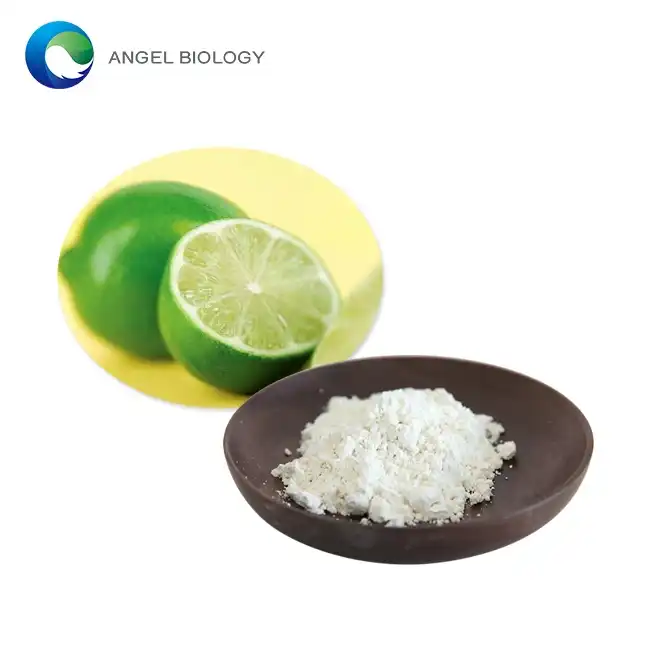
If you're developing a private-label functional nutrition line and searching for a natural Vitamin C base that resonates with today's clean-label consumers, acerola cherry extract powder deserves consideration. Derived from the fruit of Malpighia emarginata, this standardized botanical ingredient can provide a defined Vitamin C content, with commercial grades commonly specified according to their assay and processing method. Beyond Vitamin C, it may contain naturally occurring bioflavonoids, anthocyanins, and polyphenols that contribute to the ingredient's broader phytonutrient profile. For nutraceutical brands, OEMs, and functional food manufacturers, it represents a recognizable botanical option for Vitamin C-focused formulations.
Understanding Acerola Cherry Extract as a Vitamin C Base
Botanical Profile and Nutritional Advantages
Malpighia emarginata, the acerola cherry, is native to warm and subtropical areas of the Americas. It has been cultivated for its nutritional value and naturally occurring Vitamin C. Fresh acerola fruit can contain substantially more Vitamin C than many commonly consumed fruits, although actual levels vary with cultivar, maturity, growing conditions, and analytical method. When this fruit is processed into a standardized powder, its Vitamin C specification becomes an important consideration for B2B formulation and purchasing decisions.
The natural matrix of acerola is another point of differentiation from isolated ascorbic acid. Depending on the extraction and drying process, acerola ingredients may retain naturally occurring flavonoids and polyphenols alongside Vitamin C. This can provide a broader ingredient profile for powder, beverage, and supplement formulations, although the composition and stability of these compounds should be confirmed from the supplier's specification and batch testing.


Functional Benefits in Immunity Formulations
Vitamin C is a well-established nutritional ingredient and is commonly used in products positioned around everyday nutritional support. Acerola-derived Vitamin C can therefore serve as a botanical source of this nutrient in supplements, effervescent tablets, functional drinks, and other product formats. The accompanying plant compounds may also contribute to the ingredient's overall nutritional profile, but they should not automatically be presented as providing superior effects compared with isolated ascorbic acid.
The extract is also associated with nutritional processes involving iron absorption and collagen formation, which are established areas of Vitamin C nutrition. This gives formulators additional opportunities to position products around recognized Vitamin C nutritional functions while keeping the botanical origin and ingredient story clear.
Comparing Acerola Extract with Alternative Vitamin C Sources
When procurement teams look at natural sources of Vitamin C, they often compare acerola to camu camu and ascorbic acid. Each option has trade-offs that should be evaluated against the target product, cost structure, specification, and sourcing requirements.
Camu camu can also provide naturally occurring Vitamin C, but its supply chain is linked to specific growing regions, which may influence availability and pricing. Synthetic ascorbic acid offers a highly concentrated and consistent source of Vitamin C, while acerola provides a fruit-derived ingredient identity that may be attractive for brands emphasizing botanical sourcing and clean-label positioning.
How do these three choices stack up against each other on important buying criteria?
Acerola cherry extract powder can offer a defined Vitamin C specification together with a fruit-derived ingredient profile and may be available in organic-certified grades depending on the supplier and source.
Camu camu extract can provide naturally occurring Vitamin C, but availability, standardization, taste, and carrier systems may vary between suppliers.
Synthetic ascorbic acid provides a highly concentrated Vitamin C source with strong consistency and broad formulation use. However, it does not provide the same botanical ingredient identity or naturally occurring plant matrix as acerola.
Acerola-derived Vitamin C can therefore provide a useful differentiation point for brands targeting the natural supplement market. When organic certification is required, checking the complete chain of custody, including the carrier system such as maltodextrin or cassava starch, helps ensure that the purchased material matches the required certification and formulation specifications.
How to Source Acerola Cherry Extract for Private-Label Production?
Comparing price sheets is not enough to find botanical ingredients that meet a consistent quality specification. When looking for a supplier of acerola extract, business-to-business buyers should focus on three areas of proof and documentation.
Reliable suppliers should provide a Certificate of Analysis that includes the declared Vitamin C assay, relevant quality parameters, and moisture information according to the agreed specification. Where source verification is important, additional analytical testing, including isotope analysis when appropriate, can help evaluate the stated origin of Vitamin C. The exact testing package should be determined according to the supplier's claims and the buyer's quality requirements.
Procurement managers should also evaluate the supplier's manufacturing and quality-control capabilities. For batch-to-batch consistency, suppliers with clear control over sourcing, extraction, standardization, and testing can provide greater transparency than generic marketplace brokers. When buying in bulk, requesting pilot lots or samples before committing to larger orders can improve purchasing confidence and allow the ingredient to be evaluated in the specific formulation environment.
Formulating Immunity Products with Acerola Extract Powder
Dosage, Format, and Stability Considerations
Formulators have to take extract content into account when they calculate the amount of Vitamin C provided by the ingredient. For example, if a standardized extract contains 17% Vitamin C, approximately 588 mg of powder would provide a nominal 100 mg of Vitamin C, assuming the stated assay applies to the batch. This calculation has a direct effect on capsule fill weight, tablet compression parameters, serving size, and overall formulation cost.
When it comes to making tablets, sachets, fizzy drinks, and gummies, acerola cherry extract powder provides several formulation options. The powder may be hygroscopic depending on its composition and carrier system, so appropriate packaging and storage conditions should be established from the supplier's specification and stability data. Protecting the material from excessive heat and moisture can help maintain its physical quality during storage and handling.
Regulatory Compliance in the U.S. Market
Vitamin C from acerola can be used as a source of Vitamin C in food and dietary supplement formulations, subject to the applicable product category and regulatory requirements. Vitamin C-related labeling and structure/function claims must be supported and presented according to the rules applicable to the finished product and target market. Formulators selling products in multiple markets should ensure that ingredient specifications, labeling statements, and product claims are reviewed against the current requirements in each country. Maintaining batch documentation and source information can make this compliance process more manageable.
Why Choose Acerola Extract for Your Private-Label Immunity Line?
The Vitamin C and functional nutrition markets continue to attract brands looking for recognizable nutritional ingredients and differentiated product concepts. Consumer interest in plant-derived ingredients and clean-label positioning can make acerola an attractive option for brands that want a botanical alternative to isolated Vitamin C.
Three major market trends can align well with acerola extract: clean-label formulation, plant-based nutrition, and organic-certified sourcing where available. When brands build Vitamin C products around a standardized acerola ingredient, they can create a clear botanical story while maintaining a defined nutrient specification. The broader phytonutrient profile may also provide opportunities for additional product concepts in functional nutrition and beauty-oriented formulations, subject to appropriate formulation and labeling requirements.
Conclusion
Natural Vitamin C from acerola fruit gives nutrition companies a recognizable botanical base for private-label functional products. Its defined Vitamin C specification, fruit-derived identity, and naturally occurring plant compounds can help address the formulation and positioning needs of supplement companies. This acerola cherry extract powder, as a botanical source of Vitamin C, can provide a useful foundation for brands developing or refreshing Vitamin C-focused products, provided that the ingredient specification, analytical documentation, formulation performance, and target-market requirements are clearly established.
FAQ
1. How does acerola extract compare to synthetic Vitamin C in potency?
Synthetic ascorbic acid is a highly concentrated source of Vitamin C, while standardized acerola extract commonly contains a lower percentage of Vitamin C depending on the grade and processing method. Formulators therefore need to adjust the amount according to the actual batch assay. Naturally occurring flavonoids and other plant compounds may contribute to the overall phytonutrient profile of acerola, but they should not be treated as a direct substitute for Vitamin C concentration.
2. How can I verify the authenticity of a natural Vitamin C extract?
Ask your supplier for documentation supporting the declared botanical source and Vitamin C specification. Where differentiation between naturally occurring and synthetically produced Vitamin C is important, Carbon Isotope Ratio testing may provide additional analytical evidence. The appropriate testing should be interpreted together with the supplier's source documentation and batch-specific Certificate of Analysis.
3. Why does the powder sometimes cake during storage?
Acerola extract powders may absorb moisture depending on their composition, carrier system, and processing method. To reduce caking, the material should be kept in properly sealed packaging under the storage conditions specified by the supplier. Once opened, minimizing exposure to ambient humidity and resealing the package promptly can help maintain powder handling characteristics.
4. Is organic-certified acerola extract available for procurement?
Organic-certified acerola extract may be available depending on the source, processing method, carrier system, and supplier certification. When sourcing an organic grade, make sure the relevant certificates cover the ingredient and applicable processing or transaction requirements. Always verify the current certification documentation for the specific commercial batch or supply chain.
Partner with Angelbio for Premium Acerola Cherry Extract Supply
Angelbio was established with support from Angel Holding Group and has research collaboration with the Institute of Life and Health Research at Xi'an Jiaotong University. With more than 18 years of experience in botanical ingredient research and development, Angelbio supplies acerola cherry extract powder with defined specifications and quality-control documentation. Available technical documents can include batch-specific CoA information, analytical data, source details, and other materials required for supplier evaluation. Email our team at angel@angelbiology.com to request samples, CoA documentation, specifications, and bulk pricing for your private-label Vitamin C product.
References
1. Prakash, A., & Baskaran, R. — Journal of Food Science and Technology, 2018.
2. Uchida, E., et al. — Bioscience, Biotechnology, and Biochemistry, 2011.
3. Mezadri, T., et al. — Journal of Food Composition and Analysis, 2008.
4. Carr, A.C., & Maggini, S. — Nutrients, 2017.
5. Global Nutraceuticals Market Report — Grand View Research, 2023.
6. Hanamura, T., et al. — Bioscience, Biotechnology, and Biochemistry, 2005.