



Rhamnose Powder vs Other Natural Sugars: Which Is Best for Cosmetic Applications?
If you're making cosmetics with natural sugars, rhamnose powder is clearly the best choice. This uncommon L-form methyl-pentose helps fight aging by strengthening the dermal-epidermal joint and increasing collagen production. Normal carbs like glucose and fructose can't do these things. Rhamnose powder solves important formulation problems because it is very stable in complex emulsion settings, has been shown to be bioactive at the cellular level, and has a strong safety profile that meets cosmetic-grade standards. Because of the way its molecules are structured, brands that want to set their high-end skin care lines apart by using clean, scientifically proven products that show results are unable to do without it.
Understanding Rhamnose Powder and Its Cosmetic Benefits
Natural sugar substitutes have changed the way skin care products are made today, but not all sugars work the same way. Alpha-L-Rhamnose Powder Monohydrate (C6H12O5·H2O), which is what Rhamnose Powder is chemically called a game-changing ingredient for cosmetic scientists looking for safe bioactive materials. This deoxy sugar is different from simple sugars because it acts as a cellular signaling molecule. This makes it very useful in advanced dermatology uses.
Natural Origin and Extraction Methods
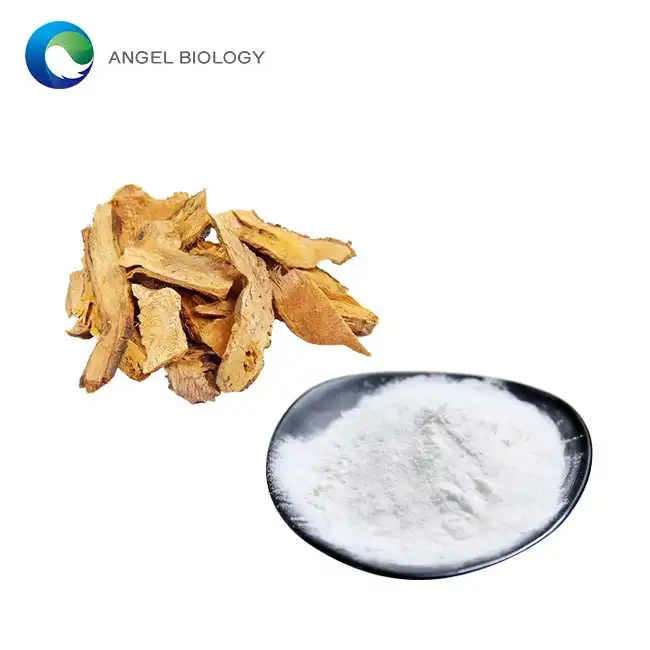
Rutin, a flavonoid glycoside that is found in large amounts in Sophora japonica flowers, is broken down by water to make rhamnose powder. Modern biofermentation methods have made production more environmentally friendly, meeting the growing demand for ingredients that are found in a humane way. The extraction method keeps the L-chirality that is needed for biological recognition. This is what makes pharmaceutical-grade material different from synthetic options. This natural origin fits right in with the clean-label trends that are taking over the cosmetics industry. In this trend, openness and plant sources affect buying choices.
Molecular Properties That Drive Efficacy
Because of how its molecules are structured, rhamnose powder has many benefits when used in cosmetics. Because it is a 6-deoxy sugar, it doesn't break down in the same ways that other natural sugars do when they are used in preparation. Its specific optical rotation ([α]D20 of +7.5° to +8.5°) shows that it is the right enantiomer, and it binds very specifically to receptors on the surface of fibroblasts. This interaction sets off intracellular processes that increase the production of collagen IV and VII at the level of the papillary dermis. This is the anatomical base where the thinning that comes with getting older starts.
Proven Skincare Benefits Backed by Research
Studies show that Rhamnose powder amounts of 5–10% make the skin much thicker and strengthen the junction between the dermis and epidermis. This two-step process lowers the depth of wrinkles better than using only surface creams. The ingredient helps keratinocytes and dermal fibroblasts talk to each other, which speeds up the skin's healing process. Over the course of 8 to 12 weeks, clinical studies have shown that participants' dermal density increased and their skin became more elastic and hydrated. Based on these results, Rhamnose Powder seems like a good option for products that contain retinoids. It has similar anti-aging effects without the discomfort risks.
Safety Profile and Regulatory Compliance
Cosmetic-grade rhamnose powder has to meet strict safety standards in order to be sold all over the world. Toxicological tests show that the skin can handle it well for a wide range of people, even those with sensitive skin. The ingredient is stable across pH levels that are common in skin care products (4.5–7.0). It is not known to cause allergies. Major markets, such as the United States, the European Union, and the Asia-Pacific area, have approved the product, and it meets the standards set by INCI nomenclature and beauty ingredient databases. This detailed safety paperwork makes it easier for brands to enter foreign markets and get approved by regulators.
Comparative Analysis: Rhamnose Powder vs. Other Natural Sugars in Cosmetics
Knowing the differences in how natural sugars work helps buying teams make smart decisions about where to get things. A lot of different sugar products promise to be good for your skin, but their molecular behavior and formulation performance are very different. Rhamnose powder is unique in its deoxy structure compared to common hexose sugars.
Molecular Structure and Skin Interaction Differences
Rhamnose powder is different from hexose sugars like glucose and fructose because it has a unique deoxy structure. Normal six-carbon sugars mainly act as humectants, which means they bind water molecules together through hydroxyl groups. With a methyl change at the C-6 position, Rhamnose powder is less likely to absorb water but better at sticking to cell receptors. Because of its special structure, it can get deeper into the stratum corneum than bigger polysaccharides, where it can have biological effects on living skin layers. Even though glucose and mannose keep you hydrated, they can't send signals to collagen synthesis routes to make them work, which limits their anti-aging potential.
Performance Comparison Across Sugar Types
Glucose: Glucose is easy to find and doesn't cost much. Its main job is to keep things fresh. But the skin microbiome breaks it down quickly, which can make the mixture unstable and allow microbes to grow. It doesn't seem to have any anti-aging benefits other than keeping skin hydrated.
- Xylose: This five-carbon sugar moderately stimulates glycosaminoglycans but doesn't have the focused DEJ strengthening that Rhamnose Powder does. Xylose works well in moisturizing formulas, but doesn't reduce wrinkles as well over time as other ingredients have been shown to do in studies.
- Mannose: It has a structure that is similar to glucose and binds to lectin receptors, but not as specifically as Rhamnose Powder. It does a good job of keeping things moist, but higher amounts (15–20%) are needed to see results, which raises the cost of preparation.
- Fructose and Sucrose: Sugars like fructose and sucrose are very good at holding water, but they can be hard to mix with other ingredients. Because they combine so strongly with amino acids, they can turn products dark during the shelf life. Neither of them shows the cellular communication skills that have been found for rhamnose powder.
Stability in Complex Formulation Environments
In oil-in-water emulsions, serums, and cream bases, Rhamnose Powder stays very stable. Vitamin C products easily oxidize, but Rhamnose Powder doesn't break down, even when small metals and changing pH levels are present. Because it is stable, formulators can mix it with other active ingredients like peptides, niacinamide, and plant extracts without worrying about whether they will work together. On the other hand, glucose and fructose take part in Maillard processes at high temperatures, which means they can't be used in recipes that need to be heated up. Rhamnose Powder's better stability profile lowers batch-to-batch variability, which is very important for producers who want to keep the quality of their products uniform across production runs.
Organic vs. Synthetic Sourcing Considerations
Plant-based Rhamnose Powder has marketing benefits that fit with the natural cosmetics positioning, but manufactured production through microbial fermentation can achieve higher purity levels (≥98% via HPLC). Organic approval is appealing to high-end brands that want to attract health-conscious customers, while synthetic paths are cheaper for mass production. When cleaned up to cosmetic-grade standards, both sources have the same cellular action. When making purchasing choices, people should think about how to place the brand against their budget, since organic materials currently sell for 20–30% more than other materials.
How to Choose the Best Natural Sugar Powder for Cosmetic Applications?
To choose the right natural sugar ingredients, including Rhamnose Powder, you need to make sure that the qualities of the ingredients match the goals of the recipe. To get the best product performance and supply chain stability, decision-makers have to look at a lot of different technical and business factors.
Defining Your Formulation Goals
Choosing ingredients is based on how clear it is what the product is supposed to do. The collagen-stimulating qualities of Rhamnose powder are best for anti-aging serums for older skin. Basic moisturizers, on the other hand, might be able to get by with glucose or mannose for moisture. When brands are making high-end lines of skin care products, they should focus on using ingredients that have been shown to work in clinical trials. On the other hand, mass-market products may have to balance low costs with good functionality. Figuring out who your ideal customers are—luxury skincare fans or price-conscious shoppers—will help you decide what to buy.
Critical Quality Parameters to Evaluate
For cosmetic-grade natural sugars, the most important thing is that the product is pure. Using HPLC, Rhamnose Powder should show that it is at least 98.0% pure, and its freezing point should be between 88°C and 92°C to show that the crystals are still whole. Heavy metals (lead <3 ppm, arsenic <2 ppm), microbial pollution (<100 CFU/g total plate count), and leftover solvents must be checked for during the contaminant screening process. Optical rotation measurements show that the chirality is right, and the low moisture level (<5%) keeps the material stable while it is stored. Certificates of Analysis from ISO 17025-accredited labs should come with each batch that lists these analytical data.
Certification Requirements for Global Markets
Cosmetic companies that want to sell their products in other countries need to work with sellers who have the right quality standards. ISO 9001 certification shows that quality management is done in a planned way, and GMP compliance makes sure that production methods meet the standards for pharmaceuticals. Getting regulatory permission is easier with REACH registration (for European markets) and FDA compliance documents. Certifications like Halal and Kosher make it easier to get into certain markets. Organic approvals, like those from the USDA and Ecocert, are highly sought after, but they require proof of the supply chain. Instead of depending only on what suppliers say, procurement teams should use independent registrar databases to check the truth of certifications.
Evaluating Supplier Reliability and Capabilities
Beyond product specs, the infrastructure of a provider also affects the success of a long-term relationship. Production ability must be able to handle the expected number of orders, with some room for regular changes in demand. Rhamnose powder usually comes in minimum order sizes of 25 to 100 kg, but if you're already doing business with a seller, you may be able to get a lower trial quantity. Standard orders have lead times of three to four weeks, so product launches need to be planned ahead of time. Technical help from suppliers, such as formulation advice and stable data, adds value above and beyond the price of a product. When auditing tools allow for on-site checks, people have more faith in quality systems. This is especially true for brands with strict seller approval processes.
Market Insights and Procurement Strategies for Rhamnose Powder
Because of how the global supply of specialty natural sugars changes, it's important to use smart buying methods. Learning about the organization of the market, how prices work, and the rules for quality control can help you negotiate better when buying things. Rhamnose powder procurement requires a deep understanding of manufacturing landscapes.
Key Suppliers and Manufacturing Landscape
The rhamnose powder market is mostly made up of specialized companies that make plant extracts. Most of the world's supply comes from Asian companies. Leading providers keep vertical integration going from growing the raw materials to extracting them and cleaning them. Contract manufacturing lets brands make their own formulas without having to spend a lot of money on production equipment. If you're looking for a partner, you should find out how well they can meet your specific technical needs, like distributing particles of a certain size or providing optical rotation ranges that work best for formulation processing.
Pricing Trends and Cost Negotiation Strategies
Cosmetic-grade rhamnose powder costs between $180 and $320 per kilogram on the market right now. The price depends on the level of purity, the need for approval, and the size of the order. When you buy more than 500 kg in a year, you can usually get 15–25% off the list price. Long-term supply deals (12–24 months) protect prices against changes in raw materials, which is especially important as demand from the makeup industry grows. Spot market possibilities and secured supply relationships should be weighed in procurement strategies. To lower disruption risks, it's best to keep multiple qualified providers on hand. Growing brands can better handle their cash flow by negotiating payment terms, like 30–60 day net terms instead of prepaid.
Quality Assurance and Testing Protocols
Strong programs for inspecting new materials keep specifications from being broken, which lowers the quality of the result. In addition to reviewing Certificates of Analysis, you might want to use skip-lot testing procedures so that every third batch is fully analyzed at different labs. Important factors include HPLC pure proof, screening for microbial pollution, and heavy metal analysis. Organoleptic evaluation, which looks at how something looks, smells, and flows, can find problems with how it was handled or stored. Keep reference samples from each batch for at least 36 months so that you can look into them later if there are complaints from the market. These quality systems create audit tracks that meet the needs of regulatory checks and help meet the needs for traceability in global supply lines.
Conclusion
Rhamnose powder is the best natural sugar for cosmetic uses that need to be proven to work against age, stay stable in a mixture, and follow regulations. Its unique molecular structure allows focused cellular communication that boosts collagen production and makes skin structure stronger, which is something that common sugars like glucose and fructose can't do. To do a good job of buying, you need to look at more than just prices. You need to look at purity standards, source certifications, and the possibility of a long-term relationship. Biotechnology and sustainability trends in the market will change the way supplies work, and brands that build smart partnerships with new providers will benefit. Rhamnose powder is an important ingredient for makeup brands that want to stand out in the premium skincare market because it has been shown to have medicinal benefits, is safe to use, and can be used in a variety of formulations.
FAQ
1. Is rhamnose powder safe for all skin types?
It has been shown that rhamnose powder is safe for all skin types, even sensitive and reactive skin. Dermatological tests show that amounts up to 10% don't cause irritation, and clinical studies haven't found any allergic responses. Because the element comes from nature and is biocompatible, it can be used on skin that doesn't have strong defenses. Cosmetic-grade materials that meet cleanliness standards (≥98%) can be used on the skin without any problems.
2. How does rhamnose powder enhance anti-aging product performance?
Rhamnose is a biological signaling molecule that binds to fibroblast receptors and causes more collagen IV and VII to be made. This makes the connection between the dermis and epidermis stronger, which reduces the depth of wrinkles and increases skin density. Unlike surface moisturizers, it targets structural aging at the cellular level. After 8–12 weeks of constant use at 5–10% amounts, skin firmness and suppleness will have improved in a way that can be measured.
3. Where can I source high-purity rhamnose powder for OEM manufacturing?
Cosmetic-grade rhamnose powder from reputable sources usually comes in minimum orders of 25 to 100 kg, and delivery takes three to four weeks. Make sure that the providers you're considering have ISO and GMP certifications and can provide full scientific documents, such as HPLC purity analysis and contaminant screens. Before buying in bulk, ask for samples to make sure they are compatible so you can be sure the material meets your unique recipe needs.
Partner with Angelbio for Premium Rhamnose Powder Supply
Angelbio provides Rhamnose Powder that is safe for use in medicines. They back this up with 18 years of independent research and development experience and strict quality control systems. Our bio-fermentation process guarantees constant purity of ≥98%, and all of our testing records meet global legal standards. As a reliable source of Rhamnose Powder, we offer a wide range of technical support, such as formulation advice, stability data, and custom specs that are made to fit your individual manufacturing needs. Our unified supply chain ensures dependable delivery times, low bulk prices, and adaptable minimum order quantities that help both new names and well-known makers. Facilities that are ISO and GMP approved are always improving their processes to make sure that the consistency between batches is important for high-end cosmetic uses. You can email angel@angelbiology.com to get information about our products, prices for large orders, and free samples that show how good our materials are. Use our technical relationship to get ahead of the competition with natural ingredients that have been proven by science to increase brand value and customer trust.
References
1. Fitton, J.H., Stringer, D.N., & Karpiniec, S.S. (2015). Therapies from Fucoidan: An Update on Marine Bioactives in Dermatology. Marine Drugs, 13(9), 5920-5946.
2. Ganceviciene, R., Liakou, A.I., Theodoridis, A., Makrantonaki, E., & Zouboulis, C.C. (2012). Skin Anti-Aging Strategies. Dermato-Endocrinology, 4(3), 308-319.
3. Boisnic, S., Branchet-Gumila, M.C., Nocera, T., & Le Charpentier, Y. (1999). Demonstration of the Effect of Rhamnose on the Epidermal-Dermal Junction Using Immunohistochemical Techniques. Journal of Applied Cosmetology, 17, 127-134.
4. Lupo, M.P., & Cole, A.L. (2007). Cosmeceutical Peptides. Dermatologic Therapy, 20(5), 343-349.
5. Barel, A.O., Paye, M., & Maibach, H.I. (2014). Handbook of Cosmetic Science and Technology (4th ed.). CRC Press.
6. Draelos, Z.D. (2016). The Science Behind Skin Care: Moisturizers. Journal of Cosmetic Dermatology, 17(2), 138-144.