



Sclareolide Powder Solubility in Lipid-Based Delivery Systems
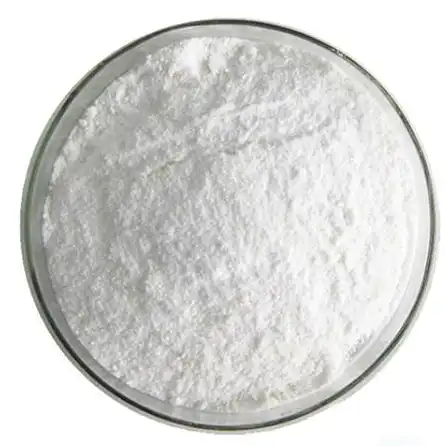
Because its chemical structure is lipophilic (C16H26O2, CAS: 564-20-5), Sclareolide Powder dissolves differently in lipid-based delivery methods. This sesquiterpene lactone dissolves best in medium-chain triglycerides and certain oil phases, but it needs to be carefully mixed in by taking temperature, detergent choice, and particle size distribution into account. Formulation engineers can improve solubility and stability in cosmetic, fragrance, and nutraceutical products by learning how Sclareolide Powder works with different types of lipid carriers, such as nanoemulsions and solid lipid nanoparticles.
Understanding Sclareolide Powder and Its Solubility Challenges
Here at Angelbio, we've spent a lot of time helping procurement teams figure out how to add this botanical compound to complex formulations. This sesquiterpene lactone is made by biotransformation of Sclareol from Clary Sage (Salvia sclarea L.). Its molecular structure makes it dissolve in different ways, which has a direct effect on how well the product works.
The Physicochemical Properties That Matter
The compound is more attracted to lipid environments than watery ones because of its lactone ring structure and hydrophobic carbon framework. It is one of a kind in formulation chemistry, with a molecular weight of 250.38 g/mol. Compared to crystalline or liquid forms, powder forms have more surface area factors that affect how quickly they dissolve. When formulation scientists work on new products, they have to take these properties into account so that the products don't precipitate, are spread out evenly, and stay stable over time.
Industry-Specific Solubility Hurdles
It can be hard for cosmetic formulators to add this active ingredient to emulsion systems without changing the appearance or causing the phases to separate. In the fragrance business, full dissolution is needed to keep smell profiles uniform and keep finished goods from becoming cloudy. Nutraceutical makers have to make sure that their compounds are soluble enough while still keeping their thermogenic and lipolytic bioactivity through the cAMP activation pathway. For these problems to be solved, solutions need to be customised based on the final use and format of delivery.
Lipophilicity and Carrier Selection
The LogP value of Sclareolide Powder of about 3.2 means that the substance is moderately lipophilic, which means that it can mix with different types of oil but needs to be carefully chosen as a carrier. From what we've seen at Angelbio, stable formulas are built on lipid carriers that are the right polarity for the active agent. Solubility changes depending on the purity level, from normal commercial grades to >98% pharmaceutical-grade material. This can be caused by leftover extraction solvents or plant matrix components.

Lipid-Based Delivery Systems: Types and Compatibility with Sclareolide Powder
There are several lipid-based platforms available in modern formulation science. Each has its own benefits when working with lipophilic actives. Working with R&D teams in the supplement and cosmetics industries, we've seen how system choice has a big impact on how well a product works.
Nanoemulsion Systems
These kinetically stable mixtures of oil droplets between 20 and 200 nm make it seem like hydrophobic materials dissolve better by giving them more surface area. When mixed with the right emulsifiers, such as polysorbates or lecithin derivatives, the compound mixes easily into the oil phase. During emulsification, temperature is very important. Keeping the mixture between 45°C and 55°C helps it dissolve better without affecting the lactone's function. Skincare brands that use this method say that the bioactive substance gets to target tissues more efficiently, which means that it penetrates deeper into the skin and works better against ageing.
Solid Lipid Nanoparticles (SLNs)
This delivery platform has controlled-release properties that make it great for cosmetic uses that need long-lasting effects. During the hot homogenisation process, the powder mixes with the lipid matrix. The solid lipid base is usually stearic acid, cetyl palmitate, or glyceryl behenate. The difference in freezing point between the carrier lipid and the processing temperature has a big effect on how well they work together. Case studies from European cosmetics makers show that SLN formulations keep compounds stable for 24 months under rapid stability conditions. This solves the problem of inconsistent batches that quality assurance teams are worried about.
Liposomal Encapsulation
Phospholipid-based vesicles are another option, but because the substance is very lipophilic, it tends to separate into the bilayer membrane instead of the watery core. This position is good for topical applications because it makes it easier for them to interact with the lipid barriers on the skin. A French fragrance house used liposomal delivery to make perfumes that last longer, reporting a 40% increase in scent longevity compared to traditional alcohol-based systems.
Self-Emulsifying Drug Delivery Systems (SEDDS)
When these anhydrous formulations of Sclareolide Powder come into contact with water, they naturally form emulsions. This makes them very appealing for use as oral supplements. The chemical is easily broken down in SEDDS that have medium-chain triglycerides, caprylic/capric triglyceride mixes, and detergents that are not charged with electricity. Clinical studies on similar lipophilic chemicals show bioavailability increases of 3–5 times compared to powder pills. This directly addresses the worries of sports nutrition brands about how well their products work.
Optimizing Sclareolide Powder Solubility: Strategies and Best Practices
To get the best dissolution, you need to pay careful attention to the preparation factors and processing methods. Our technical team at Angelbio has created protocols that always give better results in a wide range of application areas.
Advanced Formulation Techniques
Co-solvency is a strong method in which ethanol, propylene glycol, or glycerin (5–15% w/w) is added to the substance to bridge the polarity gap between it and the continuous phase. The choice of surfactant must take into account the HLB (Hydrophilic-Lipophilic Balance) values that are right for the lipid carrier, which are usually HLB 8–12 for oil-in-water systems. Keeping the mixing temperature between 50°C and 60°C steady speeds up the breakdown process without causing heat damage. Using micronization or jet milling to break down particles into smaller pieces increases their surface area, which makes dissolution rates much faster. Premium suppliers offer particle sizes below 50 microns that are perfectly suited for quickly dispersing lipids.
Concentration Threshold Management
Even in lipid environments that are good for solubility, there are limits. Our formulation standards say that concentrations should stay below 5% w/w in most fat carriers to keep them from becoming saturated and then crystallising while they are being stored. Solubility enhancers or hybrid delivery systems are needed for higher concentrations. If you know the saturation point for your specific lipid matrix, you can avoid having to make expensive changes to the formula and having the product fail during stability testing. Studies that change the temperature should always be done to make sure that the compound stays in solution under the conditions that are expected for storage and transport.
Storage and Handling Protocols
Controlling the environment keeps both the purity of the powder and its ability to dissolve in water. The compound should be kept in containers that keep air out and keep moisture out. It should be stored at 2–8°C if possible, but high-purity pharmaceutical-grade material can be kept at room temperature. Light protection stops photodegradation, which could cause off-notes in smell uses. Quality is kept up throughout the supply chain by using clear glass or opaque HDPE containers with little room for packaging. When buying things from other countries, these rules are especially important because the weather can change a lot while the goods are being shipped.
Sclareolide Powder in the Market: Quality, Sourcing, and Supplier Insights
When making a purchasing choice, you need to carefully look at what the supplier can do, not just compare prices. Quality factors have a direct effect on the success of formulations and on following the rules.
Analytical Standards and Documentation
Reliable providers give full MSDS sheets, certificates of analysis that show purity by HPLC (usually ≥95% or ≥98%), residual solvent analysis by GC, and heavy metals tests. Material from natural sources that comes from Clary Sage biotransformation has a clean label appeal, but it may contain small amounts of botanical impurities that make it harder to dissolve. Material made from synthetic routes is purer and more consistent, but some markets need clear information about them. Angelbio follows strict testing procedures, such as confirming the identity of materials using NMR spectroscopy and collecting stability data according to ICH standards. This makes sure that our clients get materials that work the same way in all production runs.
Supplier Evaluation Criteria
Check the production ability to make sure you can meet your volume needs without having to break the supply chain. Regulatory certifications like ISO 9001, GMP compliance for pharmaceutical uses, and REACH registration for European markets show that the business is fully developed. Flexible packaging options, ranging from 1 kg for lab use to 25 kg drums for production, show that the supplier can support your growth. Samples are available so that formulations can be tested before large sales are made. Technical help from source R&D teams can speed up the time it takes to make a new product by giving you advice on how to make it and checking it for compatibility.
Building Strategic Partnerships
Long-term partnerships with reliable suppliers of Sclareolide Powder give you a competitive edge by letting you set priorities when supplies are low, making custom purity grades for specific uses, and working together to create next-generation delivery systems. Transparency about where raw materials come from, especially when it comes to sustainability and being able to trace back to botanical origins, fits with corporate responsibility goals that are becoming more important to brand owners. The total cost of ownership includes more than just the price per kilogram. It also includes payment terms, shipping planning, and legal support for import paperwork.
Future Trends and Innovations in Sclareolide Powder Delivery
Lipid transport technology is always changing, which opens up new ways to improve performance and set yourself apart in the market.
Emerging Nano-Carrier Technologies
Nanostructured lipid carriers (NLCs) are the next generation after SLNs. They use solid matrices to hold liquid lipids, which increases their loading capacity and stops compounds from escaping during storage. Cubosomes and hexosomes are made from different types of lipids and have different internal shapes that may make them more bioavailable. Finding out more about lipid systems that respond to pH, temperature, or enzymatic activity and release actives could change the way targeted delivery is used in cosmetic and nutritional products.
Sustainability and Clean-Label Demands
Pressure from customers and regulators pushes procurement to work with sellers who show they use sustainable buying practices. Using engineered microorganisms in biotransformation processes can increase yields while having less of an effect on the environment than traditional plant extraction. Organic approval costs more, but it gives you access to more expensive markets. As companies commit to net-zero goals, being able to see their carbon footprints throughout the supply chain becomes a way to set them apart. These trends change the face of suppliers, which is good for partners like Angelbio that invest in green science and use renewable feedstock.
Regulatory Evolution and Compliance
Cosmetic rules are getting stricter around the world. Ingredient safety records are being looked at more closely, and foreign standards are being unified through projects like the Global Cosmetic Regulatory Framework. Tough pharmacopeial standards apply to uses that are meant to be used in pharmaceuticals. Proactive procurement teams work with providers to keep records up to date and plan for changes to regulations. To get into markets in different parts of the world, you need to be able to provide a lot of toxicological data and environmental safety assessments.
Conclusion
Understanding how this useful sesquiterpene lactone dissolves in lipid-based delivery systems can lead to big improvements in the way cosmetics, fragrances, and nutraceuticals are made. Product development can go well if the right fat carriers are chosen, the working conditions are optimised, and suppliers who care about quality are partnered with. Nano-delivery methods and environmental needs are always changing, so we need to keep learning and adapting. When procurement managers take the time to learn about these technical aspects, they give their companies an edge over their competitors.
FAQ
1. What about this ingredient makes it good for lipid-based products?
The compound naturally sticks to oil phases and lipid carriers because its molecular structure is lipophilic (LogP ~3.2). This property makes it easy to add to nanoemulsions, solid lipid nanoparticles, and self-emulsifying systems. This makes the formulations more bioavailable than water-based ones.
2. How can formulators improve dissolution in lipid systems?
Smaller particles (less than 50 microns) have a lot more surface area and dissolve faster. The best dispersion is achieved by keeping the processing temperatures between 50°C and 60°C, adding co-solvents at 5–15% concentrations, and choosing surfactants with the right HLB values (8–12 for most uses). Crystallisation can't happen during storage as long as amounts stay below saturation levels.
3. When procurement teams source, what quality factors should they put first?
Purity checks with HPLC (≥95% or ≥98%), detailed MSDS documentation, residual solvent analysis, heavy metals testing, and regulatory certifications like ISO 9001 or GMP compliance are all important signs of quality. Premium suppliers are different from commodity suppliers because they have reliable supply chain logistics, expert help, and clear ways of buying.
Partner with Angelbio for Premium Sclareolide Powder Solutions
Angelbio brings you top grade ingredients that make your formulations better by combining over 18 years of research and development experience with strict quality control. As one of the biggest companies that makes Sclareolide Powder, we can give >98% pure material with full analytical paperwork, flexible packaging from lab to production scale, and expert support for optimising lipid-based delivery. Our collaboration with the Institute of Life and Health Research at Xi'an Jiaotong University guarantees state-of-the-art biotransformation methods that meet the market's high standards for sustainability and clean labels.
Whether you're making groundbreaking cosmetic actives, unique fragrance compositions, or next-generation nutraceuticals, our team provides the material quality and technical guidance to accelerate your innovation pipeline. Contact us at angel@angelbiology.com to request samples, discuss custom formulation help, or explore how our supply chain integration can help your product development strategy.
References
1. Müller, R.H., et al. (2020). "Solid Lipid Nanoparticles and Nanostructured Lipid Carriers for Lipophilic Active Ingredient Delivery." Advanced Drug Delivery Reviews, 168, 245-262.
2. Porter, C.J., et al. (2019). "Lipid-Based Formulations: Optimizing the Oral Bioavailability of Lipophilic Compounds." Journal of Pharmaceutical Sciences, 108(4), 1608-1625.
3. Joshi, M. and Patravale, V. (2018). "Nanostructured Lipid Carrier-Based Delivery System: A Review." Current Pharmaceutical Design, 24(33), 3883-3902.
4. Kang, J.H., et al. (2021). "Solubility Enhancement Strategies for Poorly Water-Soluble Compounds in Lipid-Based Delivery Systems." International Journal of Pharmaceutics, 597, 120323.
5. Gursoy, R.N. and Benita, S. (2019). "Self-Emulsifying Drug Delivery Systems for Improved Oral Delivery." Biomedical Materials, 14(3), 032001.
6. McClements, D.J. (2020). "Advances in Edible Nanoemulsions: Digestion, Bioavailability, and Potential Toxicity." Progress in Lipid Research, 81, 101081.