



Sodium Hyaluronate Powder - China Manufacturers, Suppliers, Factory
If you want to buy high-quality Sodium Hyaluronate Powder, the best places to do business are with factories, suppliers, and manufacturers in China. A company called Angelbio is very creative. Angel Holding Group and the Institute of Life and Health Research at Xi'an Jiaotong University helped fund it. We understand how important it is for you to find the best Sodium Hyaluronate Powder for your formulas. Nutraceutical companies, cosmetic brands, and drug companies can get stable, high-purity raw materials with ISO and GMP certifications from China. This is because China has the best bio-fermentation technology, strict quality standards, and low prices.
Understanding Sodium Hyaluronate Powder
Sodium Hyaluronate Powder is a glycosaminoglycan that occurs naturally and is made up of disaccharide units that repeat. Because it is a salt, it is hyaluronic acid. This change from hyaluronic acid to its sodium form is good for how well finished products work and how well industrial formulations work.
Chemical Structure and Stability Advantages
Because of how its molecules are arranged, Sodium Hyaluronate Powder dissolves more easily in water than its parent compound. If you ionize the carboxyl groups in the molecular chain, you get this property. This makes a negatively charged polymer that easily attracts water molecules. Streptococcus zooepidemicus is used in bio-fermentation processes that are common in modern ways of making things. In the past, cockscomb extraction methods were plagued by worries about contaminants that came from animals. This takes care of those worries. The powder form can be kept for longer (usually 24 to 36 months) than pre-hydrated solutions, which tend to break down more quickly. This stability lowers the cost of logistics and makes it easier for procurement teams that are in charge of global supply chains to keep track of their stock.
Molecular Weight Variations and Functional Properties
Sodium Hyaluronate Powder has a molecular weight range that goes from very low (less than 10 kDa) to high (above 2.0 MDa), and each range performs differently. Variants with a high molecular weight form protective films on the skin's surface. The films act as a barrier that lets water pass through the skin without getting into the pores. These bigger molecules stay in the top layers of skin and start to smooth and moisturize right away. Because of this, they work great for anti-aging creams and serums that protect the skin. Medium molecular weight grades (50–500 kDa) are good for daily moisturizers and multitasking skin care products because they moisturize the skin on the surface and penetrate the skin moderately. Very small Sodium Hyaluronate Powder molecules (less than 50 kDa) can better get through the stratum corneum and into deeper layers of skin, where they help fibroblasts work and make collagen. Researchers wrote in the International Journal of Biological Macromolecules that lower molecular weight fractions work better when used on the skin or in food. 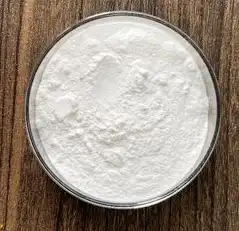
Optimal Usage Parameters and Storage Requirements
Make sure the concentration, pH level, and storage conditions are just right for a formula to work. Most of the time, concentrations between 0.1% and 2.0% are used for cosmetic purposes. Higher concentrations may be needed for pharmaceutical-grade mixtures, but it depends on the goal. The pH range that works best is between 5.5 and 7.5. This is the range that molecules stay stable in and keeps them from breaking down too quickly. If you go outside of this range, water can break up the polymer chains, which makes them less viscous and less useful. Storage rules say that temperatures must be between 2°C and 25°C, and the relative humidity must be less than 60%. Also, the place needs to be cool and dry. Direct sunlight speeds up oxidative breakdown, and soaking up water too quickly can make it hydrate and clump. Pharmaceutical-grade materials should be kept in containers that are sealed, don't let light in, and are flushed with nitrogen for long-term storage. Endotoxin contamination can be avoided by using the substance in the right way. For injectable uses that Sodium Hyaluronate Powder requires levels below 0.05 EU/mg, this is very important.
Comparing Sodium Hyaluronate Powder Variants and Formulations
Sodium Hyaluronate Powder comes in a number of different types. Each one is made to solve a different set of formulation problems and meet a different set of application needs. R&D teams can pick materials that work with how the product is placed and how well it works when they know these differences.
Powder Versus Solution Forms
Sodium Hyaluronate Powder is better than liquid concentrates when it comes to manufacturing and moving the powder around. The dehydrated powder format is about 95% lighter than pre-hydrated solutions when it comes to shipping weight. Those who buy from other countries can save a lot on freight costs. For stability profiles, powder forms are better because they work for longer periods of time without needing to be refrigerated or preserved. Formulators can change the final concentration and the time at which the mixture is hydrated. This lets them make the mixture meet certain viscosity goals and work with other active ingredients. Pre-hydrated solutions make it easier to make small amounts, but they also have some limits. Most of the time, these liquid forms have preservatives in them to stop microbes from growing. This could break the clean-label positioning or make some customers sensitive. Because solutions have a fixed concentration, they can't be made in a lot of different ways, and you often need to have a lot of different strength grades on hand. A cost analysis shows that powder forms are cheaper for medium to large-scale production, even though they need to be mixed with water using specific tools and following certain rules.
Pure Versus Blended Formulations
Chemists have the most control over the formulation process when they use pure Sodium Hyaluronate Powder. It lets them make multi-weight matrices that mix different molecular weight fractions in a very precise way. It's possible to use "4D hydration" strategies with this method, where ultra-low, low, medium, and high molecular weight types work together at different skin depths. When cosmetic companies want to be seen as high-end, they often start with pure powders and then make their own blends that are a big part of their signature formulas. Sodium Hyaluronate Powder complexes that have already been mixed together have active ingredients like ceramides, peptides, or plant extracts that work well together. With these "turnkey" solutions, brands that don't have a lot of R&D infrastructure can make a new product faster and with less trouble. Tests of performance show that blends made by professionals can work better than simple mixtures. This is because the ratios of the ingredients are better, and they work better together. Different brands may use the same commercial blends, so there is less room for them to stand out.
Molecular Weight Selection for Target Applications
You need to match the polymer's properties to the range of depths you want and your functional goals in order to pick the right molecular weight profiles. Sodium Hyaluronate Powder with a high molecular weight (1.5–2.5 MDa) works great for hydrating and making a film on the skin's surface right away. If you want to put on something after being in the sun, leave it on overnight, or use it every day, these grades are good for moisturizers that protect against environmental stress. Because the high molecular weight variants are viscoelastic, they can also be used in orthopedics to restore the properties of synovial fluid in protocols for viscosupplementation. Medium molecular weights (100–500 kDa) are great for making products that do more than one thing. These products can hydrate on the surface and deeper down. It helps with both short-term sensory benefits and long-term skin condition improvements because they have an even penetration profile. Brands that make sports nutrition use these grades in recovery formulas that work to hydrate connective tissue.
Selecting Reliable China-Based Manufacturers and Suppliers
A lot of the Sodium Hyaluronate Powder in the world comes from China. Because they've spent decades improving fermentation technology, putting their supply chains together, and making their Sodium Hyaluronate Powder factories bigger. You need to carefully look at things from different angles if you want to find reliable partners in this setting.
Certification and Quality Management Systems
High-end manufacturers meet international standards because they have a lot of certifications. With ISO 9001 certification, you can be sure that strong quality management systems are in place at every stage of the production process, from getting the raw materials to putting the finished product on the market. When making things for food or supplements, getting ISO 22000 or FSSC 22000 certification is important because it shows that the right risk assessment and critical control point systems were used. Materials made for medicine that are going to be injected or put in the eyes need to be certified according to GMP rules, especially ICH Q7 standards. Along with basic certifications, top suppliers look for voluntary standards that show they care about certain market segments. European standards say that COSMOS certification shows that cosmetic ingredients are natural and organic, which fits with the idea of "clean beauty." Brands that cater to certain groups of people can reach more customers with the help of Halal and Kosher certifications. Our company, Angelbio, keeps these extensive certifications up to date and keeps putting money into our testing infrastructure. We have our own tools for molecular weight distribution analysis, endotoxin testing, and microbial screening, among other things.
Production Capacity and Customization Capabilities
How stable the supply chain is and how competitive prices are depend a lot on how big a factory is. Companies in China that have been around for a while run fermentation plants that can hold between 50 and 500 metric tons of product each year. These facilities work with both new brands and big multinational companies that need different amounts of space. Different molecular weight grades can be made at the same time without the risk of contamination, thanks to separate processing lines and strict cleaning and validation protocols. Customization services let you do more than just pick the molecular weight. Some of them are choosing between spray-drying and freeze-drying, optimizing particle size, and co-processing with ingredients that work well together. If manufacturers agree not to share their formulas and keep separate production runs, brands that want to use their own formulas can benefit from secret development partnerships. Technical support teams help client R&D departments make new products faster by giving them advice on formulation, data from stability tests, and documentation that is specific to the application.
Sample Testing and Quality Verification Protocols
Smart purchasing practices call for a careful review of samples before committing to large orders. Instead of specially made samples, ask for samples that are typical of whole production runs. This will help you get a better idea of how good the regular products are. Spectroscopic methods (FTIR, NMR) should be used to identify the substance, gel permeation chromatography should be used to look at its molecular weight distribution, and the amount of water it contains should be determined. It is proven that there are no pathogens and that the total plate count is within the limits that were set by testing for microbes. Making sure that the performance factors that are important to your app are correct is what functional testing does. The rheological properties are confirmed by measuring the viscosity at set concentrations and temperatures. The pH level is checked to make sure it fits with the formulation parameters. To find out if it can be used in cosmetics, do in vitro moisturization assays, and watch how the film forms.
Formulation and Usage Guidelines for B2B Product Development
Formulation chemistry, processing parameters, and ingredient compatibility must all be carefully thought out in order to bring Sodium Hyaluronate Powder-containing products to market. Working with global brands on research and development (R&D) for 18 years has given us useful insights that make the development process go more smoothly.
Concentration Control and pH Optimization
The form of the product and how well it's said to work affect the amount of Sodium Hyaluronate Powder that works. Light serums often have 0.5% to 1.5% Sodium Hyaluronate Powder in them. It gives them beautiful textures that soak in quickly while still really moisturizing. Creams with more ingredients may have concentrations between 1.0% and 2.5%, especially if they mix different molecular weight fractions to better position the depth of hydration. Gel masks and intensive treatments can use concentrations of 3.0% or more, but it gets harder to control the viscosity above 2.5%. How stable Sodium Hyaluronate Powder is and how it feels change a lot when the pH changes. It is most stable between pH 5.5 and 7.0, which is close to the pH range of human skin and makes it less likely to irritate it. When the pH of a formula is less than 5.0, it may be broken down by acid-catalyzed hydrolysis, which lowers the molecular weight and performance over time. When the pH level is higher than 8.0, things break down faster and may irritate the skin. It is possible to keep the pH stable in buffer systems for a longer time by adding citrate or phosphate salts. This stops drift that could make the product less safe or less useful.
Compatible Ingredient Combinations
Most cosmetic actives work well with Sodium Hyaluronate Powder, but there are some that need to be carefully thought out. Vitamins that dissolve in water, like panthenol and niacinamide, work well with each other. These vitamins work well together because hyaluronate keeps cells moist, and these vitamins strengthen barriers and calm the body. Because they work best when mixed at the right pH level, peptide complexes make strong anti-aging systems that fight many signs of aging at once. The way you mix some ingredients is very important, so they don't go bad when mixed together. High amounts of electrolytes can lower the hydration and viscosity of Sodium Hyaluronate Powder through charge screening effects. To fix this, we need to be very careful with our titration and stabilization plans. Acids that are strong, such as ascorbic acid, need to be buffered against pH. Technologies that keep these acids from directly contacting Sodium Hyaluronate Powder may be helpful. Retinoids and Sodium Hyaluronate Powder work well together when the pH level is right, and antioxidants keep them from breaking down. When emulsification systems are stable enough, oil-phase ingredients mix well, which stops the phases from separating while the product is being stored.
Process Integration for Manufacturing Scale-Up
For formulas made in a lab to be used in a commercial factory, they need to be changed. Slowly and for a long time, you need to mix Sodium Hyaluronate Powder with water so that it goes away without breaking down mechanically. When you mix polymers with a lot of shear, the molecular weight drops, which hurts the performance. It's best to stir the mixture gently while slowly adding the powder. Soak it in water for a very long time. This could take anywhere from 30 minutes to several hours, depending on the molecular weight and concentration. Sodium Hyaluronate Powder stays intact as long as the temperature is controlled during processing. The polymer can handle slightly higher temperatures up to 60°C, but being exposed to these temperatures for a long time makes it break down faster. When Sodium Hyaluronate Powder hydrates at room temperature, it can mix with other phases that have already been made. This makes cold-process methods useful for many formulations. Be careful when picking preservation systems because some antimicrobials don't work as well in thick hyaluronate systems. Challenge testing with your specific formulation proves that the product will stay fresh for as long as it's supposed to in normal storage conditions.
Pricing, Procurement, and Logistics Insights for Global Buyers
Before you buy Sodium Hyaluronate Powder, you should know how prices work, how long delivery times are, and how to handle logistics in a way that doesn't change the cost of ownership or the supply chain's dependability.
Price Range Factors and Market Dynamics
The price of Sodium Hyaluronate Powder changes a lot based on how pure it is, how heavy it is, and how much is made. When bought in bulk, material that is safe for skin and can be used as cosmetics usually costs between $80 and $180 per kilogram. How much the molecules are spread out and how much impurity is left over affect the price. Powder made for pharmaceutical use that meets strict standards for endotoxin and bioburden costs more than $200 to $500 per kilogram. For this reason, it needs to be cleaned up and put through more tests. Prices change because molecular weight changes how hard it is to make and how much is made. The cost of making ultra-low molecular weight fractions goes up because they need to be broken down using controlled chemical or enzyme processes. Ultra-high molecular weight variants, on the other hand, need longer fermentation cycles and different ways to recover. Sodium Hyaluronate Powder is being used in more nutraceutical products and in more types of cosmetics, so demand is steadily rising in the market. Price pressures have slowed down as China's ability to make things has grown. Quality-focused suppliers, on the other hand, keep their prices stable by matching the money they spend on certification with the technical skills they have.
Minimum Order Quantities and Lead Times
Different suppliers have very different minimum order amounts that change based on the type of business and the size of the order. The minimum order quantity (MOQ) for most large manufacturers is 100 to 500 kilograms per molecular weight grade. However, some can work with smaller amounts for test runs or first-time customers. Some grades or custom molecular weight specifications may need higher MOQs because they need to be made during a dedicated production campaign. The minimum order quantity (MOQ) for mid-tier suppliers is usually between 25 and 100 kilograms. This makes them more appealing to new brands and specific uses that only need small amounts. During the lead time, you plan when to start making the product, make sure the quality is good, and get all the paperwork ready. As long as there are enough items in stock and all the paperwork is in order, stock items from well-known suppliers can usually be shipped within one to two weeks. Four to eight weeks are usually added to the lead time for custom specifications or grades that need their own production runs. This includes the time it takes to ferment, process, and do full analyses before the release. It takes longer to test pharmaceutical-grade materials for sterility and stability when regulatory filings ask for it. If you plan your buying cycles around these dates, you can avoid supply problems and keep making things as usual.
International Shipping and Compliance Considerations
When you're planning logistics, you should think about how to ship the goods, what paperwork you need, and whether you're following all the rules. The price of shipping across the ocean can reach $5 to $15 per kilogram, but air freight delivers quickly, which is good for urgent needs or small sample quantities. The cost per kilogram drops to less than $1 for full container loads when you ship goods by ocean freight. This is a big savings for big orders. It takes three to six weeks to ship goods by ocean, but this depends on the route and how quickly customs officials can handle the goods. When going from China to another country or back to China, documentation packages must follow the rules. Some basic needs are commercial invoices, packing lists, and certificates of origin. On the other hand, you need Certificates of Analysis to make sure the quality of the goods. Sometimes, extra paperwork is needed at some markets. This could be a certificate of free sale, a certificate of cleanliness, or proof of how the goods were made. A regulatory compliance check makes sure that all the rules are followed. For example, the FDA has rules about bringing cosmetics into the U.S., the EU has rules about selling cosmetics in Europe, and other places have their own rules. These steps go faster, and it takes less time to clear customs when you work with suppliers who have done business with other countries before.
Conclusion
That being said, there are many reasons to buy high-quality Sodium Hyaluronate Powder from companies in China. They offer lower prices, more production capacity, access to technical experts, and quality assurance. A lot of different ways can be found to use the substance in medicines, cosmetics, and health foods. Because of this, brands that want to show they are experts in hydration, anti-aging, and structural support need to do this. If procurement teams carefully check suppliers' certifications, production capabilities, and quality systems, they can find trustworthy partners who can help them reach their long-term growth goals. And if you know how to pick the right molecular weight, make the ingredient, and deal with logistics, you can be sure that this strong ingredient will work well in your products and meet customer and market needs.
FAQ
1. What distinguishes sodium hyaluronate powder from hyaluronic acid?
Sodium Hyaluronate Powder is not the same as hyaluronic acid. There is a sodium salt of hyaluronic acid that is called Sodium Hyaluronate Powder. To be used in industrial formulation, it needs to dissolve better in water and stay stable for longer. Sodium Hyaluronate Powder is the form that is used in industry because it works better with water-based systems and doesn't break down when it's processed or stored. The parent molecule is called hyaluronic acid. When added to formulations, both materials do about the same thing: they stretch and moisturize. However, Sodium Hyaluronate Powder is easier to work with, which makes it a better choice for manufacturing settings.
2. How should sodium hyaluronate powder be stored to maintain quality?
How should you keep Sodium Hyaluronate Powder fresh? The humidity should be less than 60%, and the temperature should be between 2°C and 25°C for storage to work right. When you seal containers, they keep out water that could make things stick together and get too wet too quickly. Light-blocking packaging keeps polymer chains that are sensitive from breaking down in the sun. If you keep it this way, good Sodium Hyaluronate Powder will stay stable for 24 to 36 months. Pharmaceutical-grade materials, on the other hand, may list shorter dates to make sure they always work when it matters.
3. Can sodium hyaluronate be customized for specific formulation needs?
Is it possible to change Sodium Hyaluronate Powder to make it work better in a certain formula? You can make a lot of changes with modern manufacturers. For example, you can target specific molecular weights, improve particle sizes, and co-process with ingredients that work well together. It is possible to make proprietary molecular weight blends as long as there are confidentiality agreements. This makes brands stand out by giving them their own formulation signatures. When you work together technically with your supplier's research and development teams, it's faster to make materials that are designed to meet specific performance needs or processing limitations in your factory.
Partner with Angelbio for Premium Sodium Hyaluronate Powder Supply
Angelbio has helped manufacturers all over the world find reliable suppliers of Sodium Hyaluronate Powder for more than eighteen years through research and development. The business knowledge of Angel Holding Group and the research skills of Xi'an Jiaotong University are combined in our joint investment structure. This guarantees consistent quality, which is backed by ISO, Kosher, and Halal certifications. Our technical team can help you with everything, from testing samples to making the whole business. Do you need cosmetic-grade Sodium Hyaluronate Powder for new skin care products, pharmaceutical-grade powder for medical uses, or food-grade Sodium Hyaluronate Powder for nutraceutical products? Please email our buyers at angel@angelbiology.com with the details of your application to get product details, certification paperwork, and prices that are competitive. We can't wait to show you how our tech know-how and high-quality systems can help your brand do well in the global market.
References
1. Chen, W.Y. & Abatangelo, G. (2019). "Functions of Hyaluronan in Wound Repair and Regeneration." Advances in Wound Care, 8(10), 512-23.
2. International Journal of Biological Macromolecules (2020). "Molecular Weight-Dependent Bioavailability and Tissue Distribution of Hyaluronan." Volume 165, Part B, 2341-2352.
3. Khunmanee, S., et al. (2021). "Crosslinking Method Comparison for Hyaluronic Acid Hydrogel Development." Journal of Biomaterials Science, Polymer Edition, 32(12), 1576-1598.
4. Litwiniuk, M., et al. (2016). "Hyaluronic Acid in Inflammation and Tissue Regeneration." Wounds: A Compendium of Clinical Research and Practice, 28(3), 78-88.
5. Papakonstantinou, E., et al. (2012). "Hyaluronic Acid: A Key Molecule in Skin Aging." Dermato-Endocrinology, 4(3), 253-258.
6. Stern, R. & Maibach, H.I. (2008). "Hyaluronan in Skin: Aspects of Aging and Its Pharmacologic Modulation." Clinics in Dermatology, 26(2), 106-122.