



The Science Behind Coenzyme Q10 (CoQ10) and Its Impact on Fertility
It's great that Coenzyme Q10 (CoQ10) can help with fertility, Coenzyme Q10 Powder, because it does two important things: it moves electrons around in mitochondria to make energy and breaks down fat as an antioxidant. The 98% pure Coenzyme Q10 Powder that comes from microbe fermentation contains all-trans ubiquinone isomers that are important for the health of reproductive cells. It can directly make eggs better, make it easier for sperm to move, and fight oxidative stress, which makes people less fertile as they age. Nutraceutical companies that make fertility formulas need to know what role CoQ10 plays in biology because it helps them place their products correctly and make them work better.
Understanding Coenzyme Q10 Powder and Its Role in Fertility
Chemical Structure and Forms of CoQ10
CoQ10 can go from ubiquinone (the oxidized form) to ubiquinol (the reduced form). Two redox states are possible. Inside the body, both forms switch places depending on what the cells need. When it comes to commercial production, ubiquinone is the main ingredient. Usually, strains of Agrobacterium tumefaciens are mixed with yeast to make this. When this is done, a yellow to orange crystalline powder is made. It stays stable as long as it is kept in light-proof, vacuum-sealed containers.CoQ10 has a molecular weight of 863.34 g/mol, and it doesn't mix well with water because it is lipophilic. Because of this, people who make supplements have to use certain ways to make them. Only bio-identical trans-isomers reach consumers when they buy premium-grade CoQ10 powder that is 98% pure. This keeps unknown impurities and inactive cis-isomers to a minimum.
Mechanism of Action in Reproductive Health
CoQ10 helps with fertility in two main ways. It works with the electron transport chain to help make ATP inside mitochondria, which are the energy factories in cells. Oocytes, which are egg cells, have more mitochondria than almost any other kind of cell. This is because they need a lot of power to grow and reproduce. Their mitochondrial function goes down with age, which makes their eggs less healthy. Getting more CoQ10 makes mitochondria work better, which helps oocytes grow in a healthier way.CoQ10 is also a strong antioxidant that gets rid of reactive oxygen species (ROS), which are made when you age or are exposed to stress in your environment. DNA damage from oxidation in reproductive cells is a big reason why some people can't have children. CoQ10 protects the DNA of both the egg and the sperm from damage caused by free radicals. This makes it more likely that the two will mate and improves the quality of the embryo. The ovaries respond better, and more pregnancies happen in women who take CoQ10 supplements before and after using assisted reproductive technology.
Powder vs. Other Delivery Formats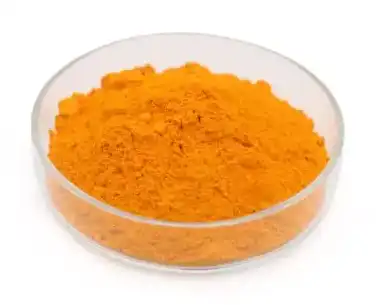
When looking at the different ways that Coenzyme Q10 Powder can be delivered, it is clear that it offers B2B formulation flexibility. Bulk powder is better than pre-encapsulated softgels because it lets manufacturers change dosages, mix nutrients that work well together, and pick the carrier systems they like best. It can be added to tablets, liquid suspensions, and functional drinks, among other things, when it is in powder form. It's still important to think about bioavailability. Native CoQ10 powder is hard to absorb because it is made up of big crystals, and fat dissolves it quickly. Micronization, lipid-based delivery matrices, and nano-emulsion Coenzyme Q10 Powder technology are some of the more advanced ways to make formulations that make absorption rates much higher. People say that ubiquinol is more bioavailable, but it costs a lot more to make, and there are worries about how stable it is when stored. If procurement teams want to find the best balance between effectiveness and cost-effectiveness, they should often choose high-purity ubiquinone powder along with tried-and-true technologies that make absorption better.
Key Considerations for Using CoQ10 Powder in Fertility Applications
Dosage Recommendations and Administration Protocols
Taking between 200 mg and 600 mg of CoQ10 every day has been shown to help with getting pregnant. It is common for women who are studying fertility to take 600 mg per day, split into two or three doses to keep blood levels steady. In male fertility tests, 200 to 300 mg per day is common. These are the ubiquinone ranges. Different forms of ubiquinol may need different dose ranges because of how they change. One way to improve absorption is to eat fats along with CoQ10. This is because eating fats at the same time greatly increases absorption. CoQ10 products often have fish oil, lecithin, or medium-chain triglycerides (MCT oil) added to them by formulators. It's even better for bioavailability to take supplements with meals that have healthy fats. Different supplements start to work at different times, but most studies show that things get better after three to six months of regular use. This is because that's when the oocytes mature.
Synergistic Nutrient Combinations
When CoQ10 is mixed with other nutrients, it makes the benefits for fertility even stronger. Vitamin E is another antioxidant that dissolves in fat and works with CoQ10 to fix molecules that oxygen has broken. Alpha-lipoic acid makes mitochondria work better in a number of ways that add up to good results. Folate and methylated B vitamins help make DNA and keep processes going that are very important for the early development of an embryo. There is a lot of hope that resveratrol and alpha-lipoic acid can help with fertility. For instance, studies have shown that when mixed with CoQ10, they make markers of ovarian reserve better. Adding L-carnitine, zinc, and selenium to male fertility products changes the health of sperm in a number of ways. Nutritional companies can make fertility-supporting products that stand out in the market by putting these ingredients together in unique ways.
Safety Profile and Regulatory Compliance
Many clinical trials have shown that CoQ10 is safe. Side effects that have been reported are still mild and not common. Among them are stomach pain, mild insomnia, or rashes on the skin. Usually, they go away when the dose is changed. No major drug interactions have been reported, but some people are worried about anticoagulant drugs because their structure is like vitamin K. In each market, the rules and regulations are different. The FDA in the US sees CoQ10 as a dietary supplement. This means that it has to be made in accordance with Good Manufacturing Practices (GMP) and have the right labeling. It is classified the same way in European markets, though there may be certain purity rules. It is necessary to find CoQ10 powder that is compliant with the USP (United States Pharmacopeia) or EP (European Pharmacopoeia) monographs in order to use it in pharmaceuticals or send it to markets that are regulated. You need Certificates of Analysis (CoA) to buy things. These show the assay, heavy metals, microbial limits, and solvent residues.
Comparing Coenzyme Q10 Powder with Other Delivery Forms and Brands
Bioavailability Across Delivery Systems
Small molecules of CoQ10 don't like water at all, so it's hard for the body to take them in. Standard crystalline powder has only a bioavailability of 2% to 3% in studies with people. With technology, these numbers are a lot better now. Powders that are split up into pieces smaller than 10 microns have more surface area, which makes them dissolve faster. CoQ10 is mixed with oils in lipid-based formulations before being sealed. These are 3–4 times better at absorption than regular powder. The most common type of consumer product is softgel capsules, which can pre-dissolve CoQ10 in oil matrices. This keeps it from oxidizing and makes it more bioavailable. If a company can use its own advanced delivery technologies, however, buying powder in bulk is the best Coenzyme Q10 Powder way to save money. Bulk powder makes it possible for new methods to be used, such as cyclodextrin complexation, self-emulsifying drug delivery systems (SEDDS), and liposomal encapsulation. Products with ubiquinol say they are more bioavailable, but studies that compare them in people have mixed results. You can easily change ubiquinone into ubiquinol when you need to. Ubiquinol is mostly found in the blood. When ubiquinone is made correctly, ubiquinol doesn't work any better and costs 40 to 60 percent more than ubiquinone most of the time.
Quality Indicators and Certification Standards
There are more things than just the purity percentage that you can use to tell the difference between good and bad CoQ10 powder. More than 99% of it should be the all-trans isomer, and less than 1% should be the cis-isomer. Testing with High-Performance Liquid Chromatography (HPLC) gives accurate isomer profiling. Mercury must be less than 0.1 parts per million (ppm), arsenic must be less than 1 ppm, cadmium must be less than 1 ppm, and lead must be less than 1 ppm.CoQ10 made from fermentation is better than synthetic production because it makes trans-isomers that happen naturally, so there is no need for chemical synthesis steps. More people want to buy products with clean labels, and non-GMO certification and allergen statements help meet that need. Independent lab tests, such as those done by SGS, Intertek, or Bureau Veritas, back up what suppliers say and give you a good idea of the quality. Certifications for manufacturing show that you can trust a supplier. It's clear that quality systems are being followed when GMP certification is given. ISO 22000 is for managing food safety, and ISO 9001 is for strong rules for managing quality. FDA registration shows that the facility has been checked out and all the rules have been followed for goods going to the US. These licenses make sure that everything is safe to buy and that every batch is the same, which is very important when making fertility supplements.
Industry Benchmark Suppliers
When it comes to CoQ10, there are a few well-known brands that are used to gauge quality. Kaneka Corporation was one of the first companies to use natural fermentation to make food, and they have a lot of safety information. A lot of high-end supplements use formulas that are unique to them. People who want to save money will like that high-purity powder can be bought from domestic suppliers like Bulk Supplements at prices that are competitive. Healthy Origins makes products for people who use popular ways to make products on the market. Business-to-business buyers don't just look at well-known brands when they look for suppliers. When you work with strategic partners instead of transactional vendors, you can get technical support, help with making custom formulations, and quick responses to regulatory paperwork. Minimum order amounts, payment terms, and how open the supply chain is become very important in long-term relationships.
Procurement Guide for Coenzyme Q10 Powder in Bulk
Pricing Dynamics and Order Considerations
The price of CoQ10 powder is based on how much the raw materials cost, how pure the powder is, and how much is made. Ubiquinone powder that is 98% or more pure costs between $250 and $450 per kilogram when bought in bulk. Orders over 100 kg are discounted. Ubiquinol is very pricey; a kilogram can cost up to $1200. This is because it is hard to make and needs to be stable. The smallest amount you can order from each supplier is different, but for well-known brands, it's usually 25 kg. Trial amounts of 1 to 5 kg can be used to make new recipes, but they cost 30 to 50 percent more per kilogram. When people sign contract manufacturing agreements, they may be able to get better prices if they agree to make more. However, this only works if they can accurately predict what people will want to buy. Custom orders usually take between 4 and 8 weeks to make, but this depends on when they are made and how long the fermentation process takes. The costs of raw materials are always changing, so it's important to manage your inventory in a way that keeps prices stable while also keeping costs low. When you work with several qualified suppliers, you keep your negotiating power and lower the risk of supply disruptions.
Supplier Evaluation Framework
CoQ10 suppliers you can trust have clear quality systems that are backed up by certifications that you can look at. As for GMP certificates, ISO certifications, product specification sheets, and audit reports from a third party, you should ask for all of them. Certificates of Analysis for recent production batches show how well the quality lived up to what was said it would be. Stability data tells us how long something will last in different storage conditions, which helps us decide how to package and stock things. As part of an audit of a supplier, questionnaires should be sent out that ask about ways to ferment products, the ability to do analytical tests, ways to keep goods from getting contaminated, and ways to keep track of them. Site visits, which cost a lot of money and time, teach you a lot about how things really work, not just how they say they work in ads. References from current customers in the nutraceutical business show that the customer service team is quick to help and that the supplier can be trusted. Intellectual property rights should be thought about when suppliers offer secret recipes or ways to process materials. There are clear agreements about formula privacy, non-compete clauses, and quality dispute resolution mechanisms that protect both parties' interests. Before you agree to work with a supplier, you should talk about how to pay, how to return materials that don't meet your needs, and what "force majeure" means.
Partnership Success Example
Recently, a medium-sized supplement company that specializes in fertility products teamed up with a vertically integrated supplier that can give them raw CoQ10 powder and help them make new products. To help improve the formula, the partnership began with 50 kg test orders. As more people bought the line of products, 500 kg shipments were sent out every three months. The supplier said the product would last for 24 months and offered stability testing results to back that up. They also helped with regulatory filing for international markets and micronization services that increased bioavailability by 35% in comparison tests. There are a lot of good things about this partnership, like working together on technology instead of just buying things, putting money into product development together, and talking to each other openly so that problems can be solved before they happen. Both the supplement maker Coenzyme Q10 Powder and the supplier benefited from the deal. The supplement maker got their product to market faster, and the supplier made sure they would have steady demand.
The Future of CoQ10 Powder in Fertility and Wellness Markets
Emerging Bioavailability Enhancement Technologies
Getting CoQ10 to the body keeps getting better, and now a lot of exciting new technologies are ready to be used in businesses. With nano-crystalline suspension technology, particles are shrunk down to 20–200 nanometers. This makes dissolution much faster without the need for lipid carriers. Functional drinks and powdered drink mixes can now have cyclodextrin complexes added to them. This means that they can be used for more than just capsules.SNEDDS are drug delivery systems that change into nanoemulsions when they come in contact with stomach acid. They are made up of surfactants, co-surfactants, and oils. When compared to regular powder, these systems have a bioavailability that is more than 400% higher. They also stay stable when stored. There are solid dispersion methods that put CoQ10 into hydrophilic polymer matrices. This makes it easier to dissolve and also keeps it from oxidizing. Liposomal encapsulation, which comes from drug use, covers CoQ10 molecules in two layers of phospholipids that look like cell membranes. This method makes it easier for cells to take in CoQ10 and keeps it safe while it goes through the digestive system. A lot of people aren't using it yet because of how much it costs to make, but economies of scale and process improvements are slowly lowering those barriers.
Personalized Fertility Solutions Trend
In healthcare, it's becoming more common to use biomarkers, genetics, and lifestyle factors to tailor treatments to each person. The next big thing for this method is to help with fertility, and more and more diagnostic tests are finding specific deficiencies or dysfunctions that guide specific supplementation plans. CoQ10 works well with personalized plans since the best ways to dose it depend on the person's starting blood levels and signs of how well their mitochondria are working. As of now, services that offer fertility tests directly to consumers also check for CoQ10 levels along with hormone panels and nutrient profiles. Supplements that are sent to you by subscription send customized mixes that are updated based on ongoing testing and keeping track of your symptoms. As a result of this trend, suppliers who can support flexible formulations, smaller batch sizes, and quick reformulation will do better. If you want these things, buying powder in bulk is better than buying finished goods.
Market Projections and Strategic Positioning
By 2028, the world market for Coenzyme Q10 should be worth more than $800 million. A big part of this market that is growing quickly is fertility apps. Demand keeps going up because of changes in the population, like the fact that more people know that fertility drops with age, and people are waiting longer to have children. At the same time, wellness trends that focus on mitochondrial health, healthy aging, and energy metabolism open up new markets. Businesses that buy things from each other need to plan for these changes. To be competitive, you need to be able to get reliable, low-cost CoQ10 supplies that are put in the right way in formulas that meet changing consumer needs. Prices go up, and people stick with a brand longer when you spend money on technologies that make absorption, clinical proof, and clean-label sourcing better. Companies that buy CoQ10 as an investment rather than a transactional one will be better off in the fertility and health markets in the long run. These markets are changing quickly.
Conclusion
Scientists have shown that Coenzyme Q10 powder can be used as an ingredient in nutraceuticals that help with fertility. It goes after the biological factors that stop reproduction directly by protecting cells from free radical damage and increasing the production of energy in mitochondria. Procurement professionals have to deal with a lot of complicated quality issues, bioavailability issues, and supplier evaluation criteria in order to find materials that meet both technical needs and business goals. It looks like new delivery technologies and trends in personalized health will keep the market growing. This means that smart investments in quality ingredients and new formulas will pay off.
FAQ
1. Is CoQ10 Powder Safe for All Populations Seeking Fertility Support?
A lot of different kinds of people can safely take CoQ10. In clinical trials, men and women between the ages of 25 and 45 who had different fertility issues said they had few to no side effects. There are some things to think about. For example, people who have had health problems for a long time should talk to their doctors, but there are also some things that should not be done. Many professionals say to stop breastfeeding once you know for sure that you are pregnant because there aren't many safety studies on the subject yet. You are less likely to be exposed to contaminants if the standard is 98% pure, but you can only be sure that the heavy metal and microbial limits are safe if you buy from certified suppliers.
2. How Does Absorption Differ Between Powder and Softgel Forms?
This is because the particles are very big and don't mix with water. Raw crystalline powder is only 2–3% bioavailable. Because softgels break down CoQ10 in oil mixtures before they are absorbed, only 8–12% of them are taken in. This is three to four times better. Micronization, lipid complexation, or nano-emulsification are some of the cutting-edge techniques that can be used to make bulk powder. This means that it might work as well as or better than softgels. Powder is cheaper for large-scale production when the knowledge of how to make the mixture is already in-house. Smaller businesses may want finished softgels instead, even though they cost more per unit.
3. What Certifications Should Buyers Prioritize When Sourcing CoQ10 Powder?
GMP certification is still very important because it proves you use good methods when making things. Quality management systems are what ISO 9001 is all about, and ISO 22000 is all about food safety. Certifications from different labs that were not made by the company back up what they say are the specifications. For international sales, quality that meets pharmacopeia standards needs to be in line with either the USP or the EP. The requirements for clean labels are met by non-GMO certification and allergen statements. As a facility, goods that are going to the US need to be registered with the FDA. There is less risk in buying things with these certifications, and all target markets are sure to follow the rules.
Partner with Angelbio for Premium Coenzyme Q10 Powder Supply
Angelbio sells Coenzyme Q10 Powder that is made to be used in fertility supplements and is of pharmaceutical grade. We use non-GMO yeast to make our 98% pure all-trans ubiquinone, and it has to meet strict standards. We provide full documentation to help with regulatory compliance around the world. We have done great research and development for more than 18 years, and the Institute of Life and Health Research at Xi'an Jiaotong University backs us up. We have both the academic rigor and the production skills to work on a large scale. Because our quality control is built right into the company, it makes sure that every batch is the same. For fertility formulas, this is important because it makes sure that the formula is stable and pure.
As a trustworthy Coenzyme Q10 Powder manufacturer, we help brands get better bioavailability by meeting their specific micronization needs and offering flexible minimum order quantities. Our ISO-compliant processes make sure that the supply chain is reliable, and our low prices help you reach your business goals. When it comes to making products that help with fertility or specific formulas for reproductive health, Angelbio has the high-quality raw materials and partnership approach that will help you do well in the market. Contact our team at angel@angelbiology.com to request product specifications, pricing details, or sample evaluation materials tailored to your formulation needs.
References
1. Ben-Meir A, Burstein E, Borrego-Alvarez A, et al. Coenzyme Q10 restores oocyte mitochondrial function and fertility during reproductive aging. Aging Cell. 2015;14(5):887-895.
2. Lafuente R, González-Comadrán M, Solà I, et al. Coenzyme Q10 and male infertility: a meta-analysis. Journal of Assisted Reproduction and Genetics. 2013;30(9):1147-1156.
3. Xu Y, Nisenblat V, Lu C, et al. Pretreatment with coenzyme Q10 improves ovarian response and embryo quality in low-prognosis young women with decreased ovarian reserve. Reproductive Biology and Endocrinology. 2018;16(1):29.
4. Shahar S, Hassanzadeh M, Sakhaei M, et al. The effects of coenzyme Q10 supplementation on lipid profiles among patients with coronary artery disease: a systematic review and meta-analysis. Complementary Therapies in Medicine. 2019;47:102219.
5. Safarinejad MR. Efficacy of coenzyme Q10 on semen parameters, sperm function, and reproductive hormones in infertile men. Journal of Urology. 2009;182(1):237-248.
6. Bentov Y, Esfandiari N, Burstein E, Casper RF. The use of mitochondrial nutrients to improve the outcome of infertility treatment in older patients. Fertility and Sterility. 2010;93(1):272-275.