



What is the difference between wheatgrass powder and barley grass powder?
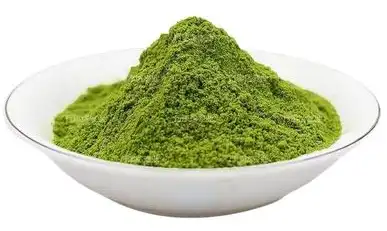
The main differences are where the plants come from, what nutrients they have, and how they are used. There are more nutrients and enzymes in barley grass powder than in wheatgrass powder. Wheatgrass powder is made from young Triticum aestivum leaves and has more chlorophyll and vitamins A, C, E, and K. These two goods are now very important raw materials in the global B2B markets, especially for businesses that make cosmetics, nutraceuticals, and functional foods. Sourcing managers and sellers need to know these differences because the market for wellness products is very competitive right now. In North America and Europe, people want plant-based superfoods more than ever. Being able to tell these green powders apart changes how they are positioned, how well they are made, and in the end, how competitive they are in the market. This detailed guide looks at important things to compare, like nutritional value, functional benefits, the reliability of the source, price methods, and shipping problems. These things are important to us because we want to give people who make choices useful information that will help them choose better places to buy things and make the supply chain stronger.
General Overview of Wheatgrass Powder and Barley Grass Powder
Botanical Origins and Cultivation Practices
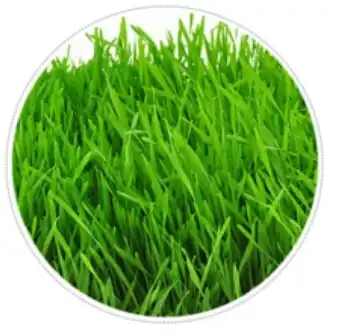
This wheatgrass powder is made from young wheatgrass plants and is very high in nutrients. It is also called barley grass powder. These are the young shoots of Triticum aestivum, which is the scientific name for ordinary wheat. It is best to pick these shoots 7–10 days after the seeds germinate, when they have the right amount of nutrients. Barley grass, on the other hand, comes from Hordeum vulgare and is also picked in the same way to get the most phytonutrients out of it before it is joined.
When people look for providers, the quality of the end product is directly linked to how the plants are grown. To get an organic license, the land has to be in good health, no synthetic chemicals can be used, and there are tight rules about keeping track of everything that is grown. The factors for growth in a place are very important. As an example, foods with more consistent assay levels are grown in fields with mild weather and lots of minerals in the soil. Buying teams that want to work with North American and European markets that are very strict about following the rules must check organic licenses from well-known groups like USDA Organic, EU Organic, and Canada Organic as part of the qualification process.
Market Demand and B2B Application Sectors
In the past, these grass products were unique ingredients. Now, they are standard raw materials in many B2B fields. A lot of businesses that make multivitamins, detox mixes, and green superfood combinations use them. Because they are naturally colored and high in nutrients, these powders are mixed into functional beverages like green teas, protein shakes, and health drinks. This supports the clean-label message. In the supplement and tableting industries, their normal nutrition values are useful. In the cosmetics industry, their antioxidant properties are used in anti-aging serums and skin-soothing recipes.
Market study shows that each year demand keeps going up, including for wheatgrass powder. This is because some people want to eat only plants and know where their food comes from. This trend gives wholesalers new ways to make money if they build trusted relationships with their sources and keep quality standards high. When making plans to buy things, knowing the specific needs of each use in these areas helps match the needs for items, such as wheatgrass powder, with the standards for how well the end product should work.
Nutritional and Functional Comparison: Wheatgrass Powder vs. Barley Grass Powder
Vitamin and Mineral Composition
There are a lot of vitamins A, C, E, and K in wheatgrass powder, which makes it stand out. These vitamins help the body's defenses, keep the skin healthy, and stop blood from clotting. Beta-carotene is the main form of vitamin A. It keeps cells healthy and stops damage to them. There should be between 20 and 30 mg of vitamin C in each dose of good wheatgrass powder. As you age, your body makes collagen, and cells get better. The vitamin K complex helps the body use calcium and keep the heart healthy. The vitamin E complex is an antioxidant that breaks down fat.
There is a lot more calcium, iron, and potassium in barley grass powder than in wheatgrass. This makes it a better source of vitamins. Barley grass contains calcium, which is good for bone health and sports nutrition. It can also help people who aren't getting enough of some nutrients because it absorbs iron. The potassium numbers help make electrolyte balance recipes and products that are good for your heart. Both types of grass have magnesium, which helps enzymes work. However, barley grass usually has a little more magnesium, which is good for recipes that help muscles work.
Amino Acid Profiles and Protein Content
When formulators look at these chemicals, the amino acid makeup is another important way to tell them apart. There are 17 amino acids in wheatgrass, and our bodies can't make eight of them on their own. Wheatgrass is a great way to add protein to foods that are meant for vegetarians and vegans because it has all nine necessary amino acids. Amino acids help fix muscles, make hormones, and run molecular processes in many parts of the body.
There are a lot of the same amino acids in barley grass, but the amounts are a little different, which changes how it can be used. Barley grass is good for sports diets because it has a lot of leucine, isoleucine, and valine. These amino acids help the body heal and work better. Brain health recipes use glutamic acid levels, and lysine helps the defense system work, and certain foods take in calcium.
Antioxidant and Phytochemical Properties
Some high-quality wheatgrass powders have more than 70% chlorophyll by dry weight. This is a big part of why they are so good at fighting free radicals. The chemical makeup of chlorophyll says that it helps the body get rid of toxins by helping the liver and cell circulation. Plus, wheatgrass has an enzyme named superoxide dismutase (SOD) that gets rid of free radicals and stops reactive stress from hurting cells. This antioxidant enzyme is still very useful in products that fight age and boost the immune system.
Chemicals like saponarin and lutonarin, which are flavonoid molecules, are found in barley grass powder and raw wheat grass powder. These have been shown in clinical tests to lower inflammation and protect the heart. A lot of catalase and peroxidase enzymes make up antioxidants. These enzymes work with superoxide dismutase to keep cells safe. These groups of enzymes work together to lower signs of oxidative stress. This means that barley grass and raw wheat grass powder can be used in formulas that try to improve digestive health and manage chronic inflammation.
Supplier and Brand Considerations for Bulk Procurement
Essential Certification Requirements
Before you judge a service, check to see if they have the right paperwork to show that they follow green and international quality standards. To get a USDA Organic license, strict farming methods had to be used during the growing, gathering, and finishing steps. This approval is very important for buying teams that work with North American markets. In those markets, organic claims are used to make goods stand out as more expensive and to gain customers' trust. The strict rules that apply to European law systems also apply to EU organic approval. One of these rules is to keep track of where the food comes from and look for leftovers.
In addition to organic certificates, sellers who care about quality keep GMP (Good Manufacturing Practice) facilities that have been approved by outside testing groups. These badges prove that the right cleanliness controls, staff training, equipment calibration, and group record management systems are in place to keep goods clean and consistent in quality. Hazard Analysis Critical Control Points (HACCP) shows organized ways to find and handle possible safety risks at all stages of production. You can be even more sure that your sellers are skilled and good at what they do, thanks to ISO standards, especially ISO 9001 for quality control and ISO 22000 for food safety.
Quality Benchmarks and Testing Protocols
Reliable providers stand out by trying their services in ways that are more thorough than what the law demands. There should be a Certificate of Analysis (COA) for each batch of raw wheat grass powder that shows the bacterial tests that were done and the outcomes. Yeast and mold, coliforms, E. coli, and overall plate count should all be checked. Both Salmonella and E. coli. Heavy metal testing that looks for high levels of lead, arsenic, cadmium, and mercury keeps customers safe and is required by law in developed markets.
Nutritional assay tests show that the amounts of active chemicals are the same as what is stated on the label and what the specs call for. Keeping track of amino acids, measuring chlorophyll, and studying vitamin panels are all objective quality checks that help make sure recipes are always the same. Testing for pesticide residue shows that pollution may come from regular farms or the environment. Testing for gluten makes sure that there is no cross-contamination, which is important for making sure that goods are safe for celiacs. When buying from a seller, buyers should ask to see recent copies of the COA and make sure that the buy deals have clear quality standards.
Pricing Structures and MOQ Considerations
The exact price varies depending on the quality grade, the status of the certification, and the size of the order. Premium-grade wheatgrass powder costs between USD 15 and USD 35 per kilogram. Most of the time, juice powders cost more, around USD 40 to USD 80 per kilogram, because they need to be handled more and have higher concentration levels. Most of the time, the prices of barley grass powder stay about the same. The only times they change are when crops are in short supply or when the supply changes in different areas.
One source may have a different minimum order quantity (MOQ) for wheatgrass powder than another. For example, well-known manufacturers usually need MOQs of 100–500 kg for their first orders of wheatgrass powder and smaller limits for customers who are qualified to buy from them again. Different, smaller companies might be able to handle 25–50 kg test orders of wheatgrass powder that let you work on recipes and see how the market is doing before committing to bigger inventory positions. Volume pricing levels lower prices by 10 to 25 percent as order numbers for wheatgrass powder go from small amounts to full trucks or containers. This encourages people to buy more.
Conclusion
There are differences between wheatgrass powder and barley grass powder in terms of what they are used for, how they are made, and how the supply chain works. Wheatgrass is full of chlorophyll and all the different amino acids that your body needs to stay healthy and make protein. On the other hand, barley grass has special chemicals that act as antioxidants and more minerals than other grasses. These are good for digestive health formulas. Getting things for a good price means making sure the items you choose are right for the job, checking the sellers' credentials and quality standards, and getting to know them so you can get a steady supply at low prices. Using the decision-making models in this guide, procurement managers and wholesalers can easily look into the grass powder market and find ingredients that make products work better and meet regulations in all global markets.
FAQ
1. Which powder offers stronger detoxification benefits?
The best kinds of wheatgrass powder usually have chlorophyll levels above 70%, which means they clean your body better. A protein called chlorophyll has a structure that is a lot like hemoglobin. Hemoglobin helps cells get oxygen and the liver work. Also, wheatgrass has more of some enzymes that help the body get rid of waste. There are several ways that barley grass helps the body cleanse. One way is through its saponarin substance, which helps liver enzymes do their job. When people look for detox foods, wheatgrass generally gives them the most clear benefits. But putting the two powders together can make results that are better than either one on its own, which some formulators like.
2. What are the common side effects of wheatgrass consumption?
Few bad things have been said to happen to people who use wheatgrass powder, so it is very safe. When people eat a lot of wheatgrass all at once, without getting used to it first, some feel sick or have stomach pain. You can avoid these responses most of the time by starting with smaller amounts and slowly increasing them. Very rarely, people who are allergic to grass pollen may have an allergic response. There may be short-term side effects like light headaches or tiredness that go away quickly as the body gets rid of toxins. Contamination that could cause problems that aren't related to the wheatgrass itself is less likely if you get quality certifications and buy from the right source.
3. How can I verify supplier certifications authentically?
There's more you need to do than just look at pictures of sale certificates to be sure they are real. You should not use the supplier's contact information. Instead, you should call the certifying bodies immediately and ask them to confirm the present status and scope of the certification. Real organic certifiers keep public records that can be used to check if a certificate is valid. These records include source names or certification numbers. Instead of relying only on the original certification papers, get recent audit reports or recaps of surveillance visits to show that the rules are still being followed. Third-party seller checks, which are done by trained food safety experts, add an extra level of security on top of the qualifications that the supplier reports. They check manufacturing methods and quality processes on an independent basis.
Partner with Angelbio for Premium Organic Grass Powder Solutions
It's easy to figure out how to buy grass powder when you work with partners who are committed to making great products and making sure customers are happy. From 2008 to now, Angelbio has been studying, creating, and making plant products. All over the world, they work with companies that make useful foods, medicines, and nutritional products. When you buy wheatgrass powder from us, you can be sure that it meets all the legal standards in North America and Europe. Some of these standards are ISO, GMP, HACCP, USDA Organic, and EU Organic.
It's against our rules to work with organic farms or put the goods in boxes without following strict quality control rules. It makes sure that the proteins stay the same and that the food is always clean. Our professional team can help you with formulas, give you results from stability tests, and write up legal papers that will push the growth of your product along faster while still meeting all the needs. Low prices and dependable shipping networks around the world allow for flexible minimum order amounts that can be used for both small-scale production and test formulas. You can talk to our team about your specific needs and find out how our grass powder choices can help you make your supply chain more stable and improve your product lines by emailing angel@angelbiology.com.
References
1. Kulkarni, S.D., et al. "Evaluation of Comparative Antioxidant Activity of Wheatgrass and Barley Grass." Journal of Medicinal Food Research, 2018.
2. Padalia, S. and Drabu, S. "Nutritional and Therapeutic Potential of Cereal Grass Powders in Modern Nutraceuticals." International Journal of Plant Sciences, 2020.
3. Zhang, M. and HARDEN, Y. "Chlorophyll Content and Bioactivity Assessment in Commercial Grass Powder Ingredients." Food Chemistry and Analysis, 2019.
4. Thompson, R.K. "Supply Chain Management for Organic Superfood Ingredients: Quality Assurance and Procurement Strategies." Journal of Business and Industrial Marketing, 2021.
5. Martinez, L. and Robinson, P. "Comparative Phytochemical Profiles of Triticum aestivum and Hordeum vulgare Young Grass Extracts." Phytochemistry Reviews, 2022.
6. Williams, D.G., et al. "Safety Assessment and Allergenicity Considerations for Cereal Grass-Derived Dietary Supplements." Regulatory Toxicology and Pharmacology, 2020.