



Why Willow Bark Extract Is Great For Skin? + How To Use?
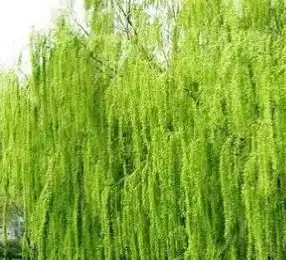
Willow bark extract is a skincare superstar, treating many skin issues gently. On application, White Willow Bark Extract Salicin transforms to salicylic acid, providing anti-inflammatory, exfoliating, and pore-refining properties without the irritation of synthetic alternatives. This natural precursor helps heal acne, uneven texture, and redness while promoting skin rejuvenation, making it ideal for clean-label cosmetics that appeal to wellness-conscious customers.
Understanding White Willow Bark Extract Salicin and Its Benefits for Skin
The Science Behind Salicin's Skin-Transforming Properties
Standardised botanical constituent White Willow Bark Extract Salicin from Salix alba and kindred species has outstanding dermatological benefits. Synthetic salicylic acid can cause acute pH disturbances and irritation, although Salicin is a prodrug. Enzymes gradually transform it into salicylic acid after skin absorption, giving a sustained-release mechanism with less irritation.
Time-released conversion is a solution to the formulation dilemma of effectiveness and tolerability. Cosmetic chemists and formulation experts developing treatments for sensitive or reactive skin benefit greatly from this softer delivery strategy. Due to its minimal comedogenicity and powerful keratolytic capabilities, the chemical lets dead skin cells slough naturally without stripping.
Multi-Dimensional Skin Benefits
The extract's benefits go beyond exfoliating. Standardized Salicin concentrations from 15% to 98% provide formulation flexibility. Low doses (15-25%) preserve synergistic co-actives, including polyphenols, flavonoids like isoquercitrin and naringin, and antioxidant tannins. The "entourage effect" distinguishes plant-based extracts from synthetic chemicals, providing full skin protection from environmental stresses.
Clinical studies show that Salicin decreases acne vulgaris inflammatory markers. When applied topically, the chemical suppresses inflammatory pathways without directly affecting the gastrointestinal mucosa, preventing beta-hydroxy acid irritation. Product producers pitching luxury skincare products with anti-aging, repair, and natural claims benefit from this botanical activity.
How to Use White Willow Bark Extract for Skin: Dosage, Application, and Best Practices
Optimal Formulation Parameters
Concentration thresholds and distribution methods are essential for the product development of White Willow Bark Extract Salicin. Topical Salicin concentrations between 0.5% and 2% usually work without sensitizing the skin. Higher purity extracts (50-98% Salicin) allow formulators to attain therapeutic levels with minimal amounts, maintaining formula elegance and stability.
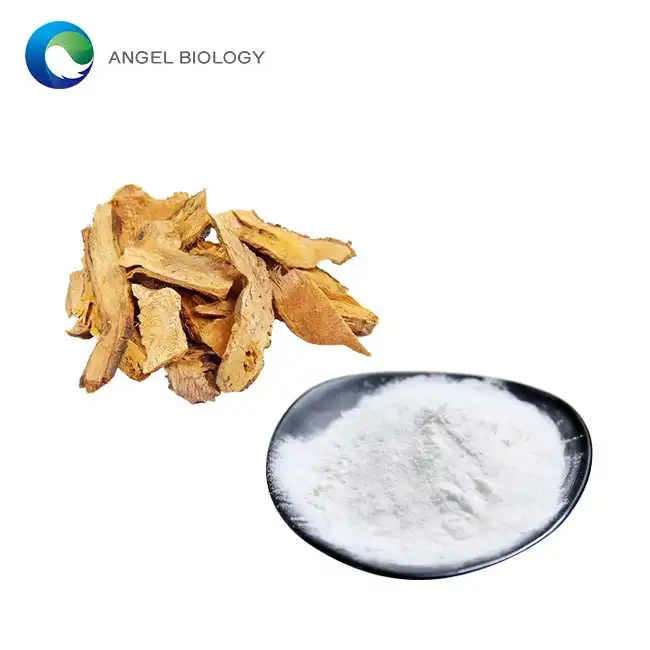
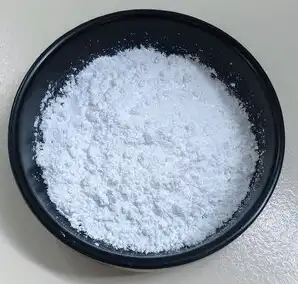
The extract is a hygroscopic fine powder that ranges from brownish-yellow (15-25% test) to off-white crystalline (50-98%). Moderate to high water solubility allows absorption into aqueous serums, toners, and gels, whereas ethanol solubility fits alcohol-based treatments. It is stable at pasteurization temperatures up to 80°C, making it appropriate for hot-fill procedures and cosmetic emulsions.
Application Frequency and Product Types
For consumer items, start with lower dosages once daily to acclimate skin. Increase to twice-daily application gradually to enhance benefits and check tolerance. The extract works effortlessly in many product forms for different markets:
- Serum formulations give concentrated actives to problem regions to treat hyperpigmentation or localized breakouts. Customers seeking layerable procedures choose lightweight materials.
- Cream and lotion vehicles give continuous contact and occlusive effects for dry or aged skin that needs hydration and exfoliation.
- Cleansing products introduce ingredients softly with minimal contact for delicate consumers or entry-level skincare lines.
Willow bark extract masks use the ingredient's anti-inflammatory qualities to provide extensive therapy. Premium formats boost brand distinction in competitive marketplaces.
White Willow Bark Extract Salicin Compared to Other Solutions
Advantages Over Synthetic Alternatives
The plant extract alleviates synthetic salicylic acid discomfort. Consumer compliance is limited by traditional formulations' quick stinging, peeling, and photosensitivity. Salicin's slow conversion method delivers anti-inflammatory and keratolytic effects without surface disturbance that prompts defensive barrier responses.
Topical synthetic NSAIDs risk systemic absorption and formulation instability. White Willow Bark Extract Salicin meets worldwide markets' clean-label demands, especially among natural health customers. Major markets' regulatory regimes favor plant extracts, enabling international distribution compliance.
Thermal stability is another technological benefit of White Willow Bark Extract Salicin. Unlike other synthetic actives, Salicin remains intact at regular manufacturing temperatures, simplifying production workflows and decreasing formulation problems. Stability in completed products enhances shelf life and reduces degradation-related quality waste.
Competitive Positioning Against Other Botanicals
White Willow Bark Extract Salicin penetrates skin better than turmeric or boswellia extracts due to Salicin's molecular structure and lipid compatibility. Turmeric delivers antioxidants well, but its bright color makes leave-on formulation difficult. Willow bark extract blends into recipes without altering color or texture.
Tea tree oil is antibacterial but lacks keratolytic activity to clear pores. White Willow Bark Extract Salicin is antibacterial and exfoliating, decreasing formulation actives. This simplicity improves clean-label and cost-optimization techniques without compromising efficacy.
Organic-certified extracts cost more but are purer and more potent. As brands adapt to customer environmental concerns, sustainable sourcing strategies affect procurement decisions. Suppliers who disclose cultivation and extraction procedures boost ethical ingredient source tales.
How to Source and Procure High-Quality White Willow Bark Extract for Skin Products
Quality Standards and Supplier Verification
Product and brand integrity are protected by strict procurement processes. GMP-certified producers use pharmaceutical-grade quality control methods to ensure batch uniformity. Authenticated COAs shall validate Salicin concentration, microbiological limitations, heavy metal screening, and pesticide residue testing per international cosmetic ingredient standards.
Traceability documentation helps businesses prove source claims and answer regulatory questions. Complete production records, including extraction methods and raw material sources, provide due diligence that reduces supply chain risks. Establishing ties with suppliers with strong quality control systems lowers contamination and specification failures that might lead to costly recalls.
Testing processes should go beyond supplier documentation. Independent labs verify standards and identify adulterants. Salicin is detected by HPLC analysis; similar chemicals like salicortin and tremulacin may interfere with test specificity in lower-quality extracts.
Packaging Formats and Private Label Opportunities
Scalable production requires adaptable packaging for different order volumes. Established factories with dedicated handling infrastructure can handle 5kg to 25kg barrels of bulk powder. New brands test mixtures in foil-lined bags before mass manufacturing.
Brands lacking powder handling skills can employ capsule and ready-to-use liquid extracts. These pre-standardized formats eliminate formulation variables and speed new product releases. Brands may use supplier formulation knowledge while keeping exclusive branding and market positioning with private label services.
Product launches related to marketing campaigns or seasonal demand peaks require supply chain stability. Maintaining supplier connections and inventory buffers minimizes stock-outs that affect sales. Long-term supply agreements with set specs and price aid strategic planning and financial forecasting.
Market Trends and Strategic Opportunities in Natural Skincare
Growing Consumer Demand for Botanical Actives
Demographic trends favor plant-based components, according to a market study. Consumers increasingly prefer plant names over synthetic chemicals in ingredient listings. This move gives businesses that emphasize White Willow Bark Extract Salicin in marketing and product positioning an edge.
Clean beauty trends spur brand reformulation as established companies respond to market pressures. White Willow Bark Extract Salicin substitutes synthetic exfoliants, gives natural preservation support through antibacterial activities, and supports centuries-old and current anti-aging claims.
Regulatory shifts favor safe botanical compounds. The extract's historic usage and modern scientific confirmation provide a solid regulatory framework. This dual background appeals to consumer safety regulators and marketing teams seeking compelling brand tales.
Innovation in Extraction and Bioavailability
The extract's functionality and applicability improve with technology. Novel extraction methods maintain sensitive co-actives and concentrate Salicin to therapeutic levels. Pharmaceutical-grade nutraceutical crossover products use ultra-pure isolates from fermentation with 98% White Willow Bark Extract Salicin.
High-pH systems and recipes with reactive components benefit from encapsulation. Microencapsulating Salicin prevents premature hydrolysis and allows controlled-release profiles to boost effectiveness. These advances enable applications in previously incompatible product areas.
Bioavailability improvements through distribution system optimization boost client satisfaction by speeding up outcomes. Nano-emulsions and liposomal administration enhance skin penetration, allowing lower amounts to be effective. These efficiency advantages enable cost-effective formulation options that compete with premium synthetics.
Strategic Product Development Alignment
White Willow Bark Extract Salicin in numerous product levels benefits complete skincare brands. Entry-level cleansers offer the ingredient's advantages at affordable prices, while luxury serums and treatment masks justify greater margins with concentrated formulas and sophisticated packaging.
Botanical actives supported by traditional wisdom and clinical research strengthen product claims. Educational consumers, cautious of synthetic treatments or unfounded wellness claims, respond to marketing storylines that combine historical usage cases and contemporary scientific proof.
Botanical substances having worldwide recognition and regulatory approval are preferred for international expansion. In nations where natural substances are valued and trusted, White Willow Bark Extract Salicin's use in traditional medicine makes market entrance easier.
Conclusion
White Willow Bark Extract Salicin is a key ingredient for natural skincare manufacturers. This conversion mechanism delivers moderate yet effective exfoliation, anti-inflammatory activity, and antibacterial characteristics to address many skin conditions without the harsh side effects of synthetic alternatives. The extract's diversity in formulation, concentration, and delivery methods lets product developers produce clean-label market-specific products. Understanding the right sourcing processes, quality verification methodologies, and application best practices helps marketers capitalize on consumer affinity for botanical actives while ensuring consistency and effectiveness standards that generate customer loyalty.
FAQ
1. Which salicin concentration is optimal for skincare?
Product kind and skin issues determine optimal concentrations. Leave-on treatments with 0.5% to 2% Salicin exfoliate and reduce inflammation without irritation. Contact duration restricts absorption; rinse-off products may have larger concentrations. Formulators must consider the extract's overall Salicin percentage when estimating final product concentrations—a 25% extract needs more material than a 98% isolate to attain equal active levels. Pilot stability testing throughout your formula matrix guarantees the chosen concentration is effective over time.
2. Does willow bark extract replace synthetic salicylic acid?
Yes, for most cosmetic uses. Salicin gives the extract equivalent keratolytic and antibacterial properties while improving tolerability. Synthetic salicylic acid activates quickly, but Salicin takes enzymatic conversion for a milder, sustained-release action. Willow bark benefits brands that emphasize natural positioning and clean-label claims, although synthetic substitutes may work for medicinal purposes that need fast, precise dosage.
3. How should manufacturers store bulk willow bark extract powder?
Hygroscopic extracts require cautious storage. Caking and active deterioration are prevented by sealing containers in cold, dry settings below 25°C. Amber or opaque packaging prevents light-induced phenolic compound oxidation. Once opened, close immediately and move unwanted pieces to smaller containers with less headspace to prevent air exposure. Well-stored extract retains specification-grade quality for 24 months, but HPLC retesting ensures Salicin level stays below permissible limits.
Partner with a Trusted White Willow Bark Extract Salicin Supplier
Angelbio produces White Willow Bark Extract Salicin that fulfills worldwide cosmetic formulators' high standards using top grade production and 18 years of independent research. Our standardized extracts with 15% to 98% Salicin concentration are HPLC-verified for batch-to-batch consistency and formulation certainty. From formulation consulting to scaled manufacturing, Angel Holding Group and Xi'an Jiaotong University's Institute of Life and Health Research provide full technical assistance for product development. ISO-certified facilities and detailed traceability data simplify international regulatory compliance. Request COA paperwork, sample amounts, or bespoke standards for your formulation needs from our technical team at angel@angelbiology.com.
References
1. Schmid B, Lüdtke R, Selbmann HK, et al. "Efficacy and tolerability of a standardized willow bark extract in patients with osteoarthritis: randomized placebo-controlled, double blind clinical trial." Phytotherapy Research, 2001; 15(4): 344-350.
2. Vlachojannis C, Magora F, Chrubasik S. "Willow species and aspirin: different mechanisms of action." Phytotherapy Research, 2011; 25(7): 1102-1104.
3. Mahdi JG, Mahdi AJ, Bowen ID. "The historical analysis of aspirin discovery, its relation to the willow tree and antiproliferative and anticancer potential." Cell Proliferation, 2006; 39(2): 147-155.
4. Shara M, Stohs SJ. "Efficacy and Safety of White Willow Bark (Salix alba) Extracts." Phytotherapy Research, 2015; 29(8): 1112-1116.
5. Biegert C, Wagner I, Lüdtke R, et al. "Efficacy and safety of willow bark extract in the treatment of osteoarthritis and rheumatoid arthritis: results of 2 randomized double-blind controlled trials." Journal of Rheumatology, 2004; 31(11): 2121-2130.
6. Khayyal MT, el-Ghazaly MA, Abdallah DM, et al. "Mechanisms involved in the anti-inflammatory effect of a standardized willow bark extract." Arzneimittelforschung, 2005; 55(11): 677-687.